
Monochrome Filters in Dog Photography: Tips and Tricks
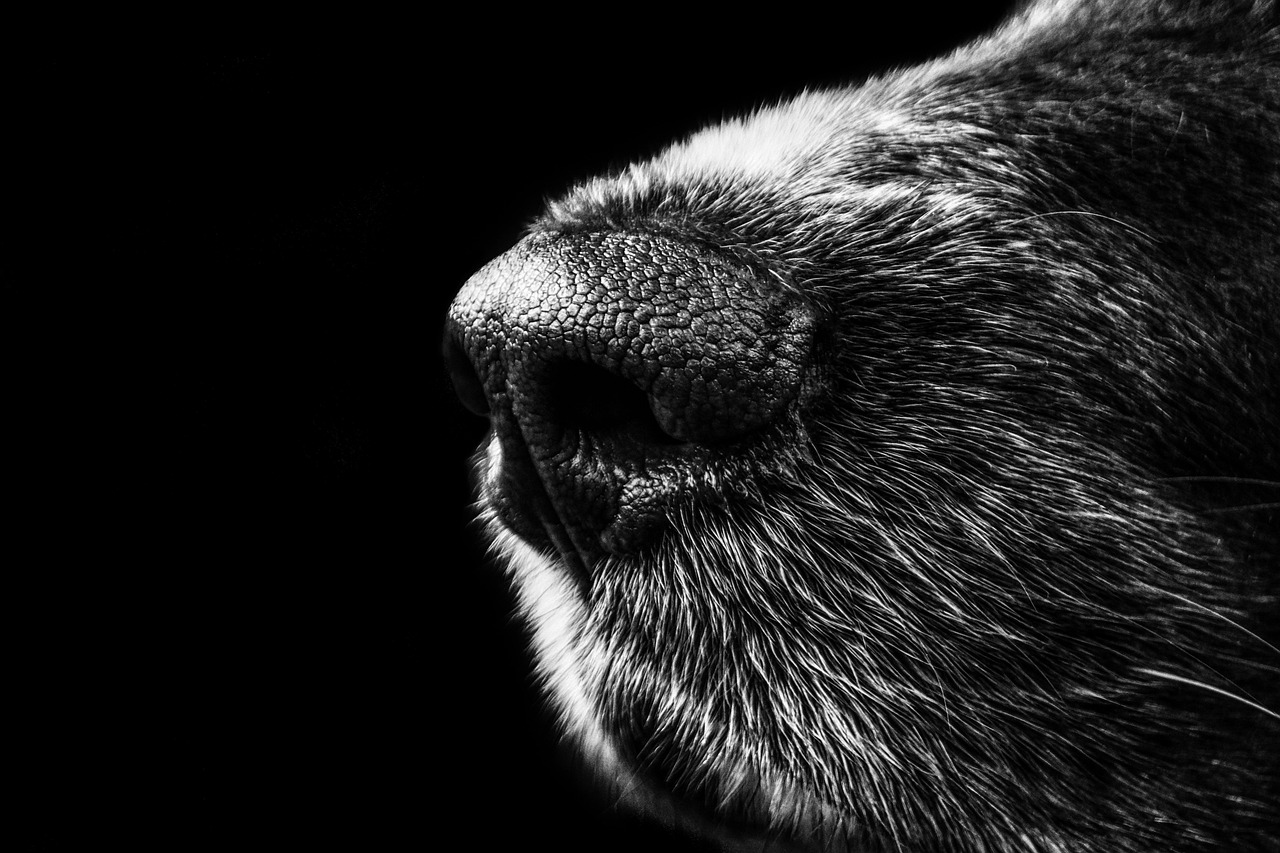
Dog photography can become even more fascinating when incorporating monochrome filters. These filters not only enhance simplicity but also create a striking visual impact. By capturing your furry friend in black and white, you shift focus from colors to textures and forms. Consider the breed of your dog; different breeds present various textures in fur that monochrome can accentuate uniquely. Experimenting with light and shadow becomes essential, as shadows may reveal the intricate details of your pet’s fur and facial expressions. For instance, a short-haired breed might exhibit different highlights compared to a long-haired one. Pay close attention to lighting conditions when utilizing monochrome filters. Soft natural lighting enhances details without harsh contrasts, while direct sunlight may create more dramatic shadows. By practicing these techniques, you will find ways to make your dog’s personality shine through your photographs. When shooting in different environments, remember that monochrome can transform a simple park backdrop into a moody scene, focusing viewers on your dog. Embrace the creativity monochrome offers, and watch your dog’s images evolve into timeless artworks.
Selecting the Right Filter
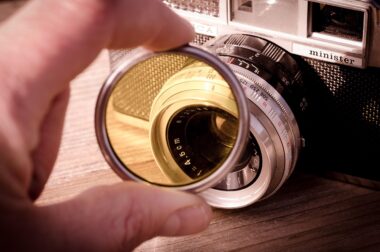
Choosing the appropriate monochrome filter for your dog photography can greatly influence the outcome. Factors such as intensity and attachment type will play significant roles. The most common types include yellow, red, and green filters, each affecting contrast differently. A yellow filter creates soft contrasts, delivering gentle transitions that appeal to softer coat colors. On the other hand, a red filter can produce stunningly high contrast images, particularly enhancing clouds and landscapes, which adds depth to your dog’s portraits. The green filter optimizes the grass in your photographs, making your dog stand out against natural backgrounds. Each filter can provide distinct results based on the conditions and the characteristics of your subject. Experimenting with various filters can lead to discovering your unique style. Start by capturing the same scene with different filters, then compare the results. Don’t hesitate to mix filter usage with various lighting techniques as well. You might find blending these tools will reveal unexpected beauty in your shots, drawing the viewer’s attention to the essence of your canine subject.
Understanding Exposure with Monochrome
Exposure is critical when using monochrome filters in dog photography. The exposure settings you choose will profoundly influence the final image, especially with filters that change how light interacts with your camera. Understanding how to manipulate your camera’s aperture, shutter speed, and ISO settings is essential. When working with a monochrome filter, it’s often beneficial to underexpose your shots slightly. This adjustment helps prevent washed-out highlights and maintains the details in your dog’s fur. Monochrome photography tends to thrive on the balance between dark and light areas, so experimenting with these settings can yield dramatically different results. Utilize a tripod to maintain stability during slower shutter speeds in low-light conditions. Additionally, consider using a light meter or your camera’s histogram to ensure balanced exposures. By continually practicing your exposure techniques, you’ll develop a stronger intuition for what works best in monochrome photography. Aim for clarity and depth while avoiding oversaturation of brightness that lets important details slip away. Over time, identifying your optimal settings will become second nature.
Lighting is another essential factor to consider when taking monochrome photos of dogs. Different lighting conditions dramatically affect the overall feel of your images. Early morning and late afternoon light provides a warm, soft glow that can cast beautiful shadows and highlights on your dog’s fur. This lighting condition enhances texture and dimension without overwhelming contrasts. Conversely, midday sun can create harsh shadows and overexposed areas, which might hide important details of your subject. If you must shoot in bright conditions, consider using reflectors to soften harsh light or shade to minimize strong contrasts. Cloudy days can also serve as a natural light diffuser, providing a more even lighting environment. Understanding how to manipulate your settings around these conditions will develop your skills as a pet photographer. By positioning yourself and your dog to take advantage of or counteract the available light, you can create stunning monochrome images. Don’t hesitate to experiment with angles and distances during shoots to find the most flattering light for your furry model.
Post-Processing and Editing
Post-processing plays a crucial role in finalizing monochrome photographs of your dog. Editing software can enhance contrast, clarify details, or even add grain for a vintage feel. Familiarize yourself with software options that suit your needs, like Adobe Lightroom or Photoshop. When processing monochrome images, focus on contrast adjustments first. Increasing contrast can bring out the textures you emphasized while shooting, defining shapes and tones more clearly. Additionally, playing with brightness and shadows can create depth in your photos. Higher dynamic range may be desirable depending on the style you want to achieve. You may also consider applying selective sharpening to key areas, such as the eyes or fur, to draw attention to specifics of your dog’s appearance. Filters and presets can speed up your workflow while they provide cohesive styles across all your photographs. However, as always, moderation is key; avoid over-editing. Aim to maintain a natural look that showcases the unique charm of your dog while embracing the subtleties offered by monochrome photography.
Beyond technical skills, connecting with your dog during photography sessions can greatly impact your success. The bond you share will translate into genuine expressions in your images. Spend time playing and engaging with your dog prior to shooting to help them feel comfortable around the camera. Capture candid moments while playing fetch or exploring a park rather than solely posed portraits. This approach often leads to more spontaneous and exciting photographs. Utilizing treats or toys can also grab your dog’s attention, facilitating eye contact or unique poses. Create a fun atmosphere during your sessions, allowing their personality to shine through. Consider incorporating various backgrounds that tell a story while showcasing your dog’s character. Natural settings, like parks and beaches, provide beautiful contexts for your monochrome shots while allowing for creative compositions. Develop a workflow routine that considers both preparations and aftercare. Spend time alongside your pet, ensuring they remain safe and happy throughout your photography journeys. This emotional connection will enrich your photographs and enhance your experience as a dog photographer.
Sharing Your Monochrome Dog Photography
After capturing stunning monochrome images of your dog, it’s time to share them with the world. Platforms such as Instagram, Facebook, or dedicated photography forums can showcase your work and attract like-minded individuals. Additionally, creating a personal website or portfolio can further establish your presence in the dog photography community. When sharing your images, consider using relevant hashtags or keywords that enhance discoverability, allowing fellow photographers and dog lovers to find your work. Engaging with the community is equally important. Connect with other pet photographers, share insights, and participate in discussions that foster growth and inspiration. Creating a network can provide you with new ideas while allowing constructive feedback for your work. Consider entering your monochrome photos in competitions or local exhibitions, which can enhance visibility and validation for your skills. Engaging with others creates opportunities to collaborate on future projects or learn new techniques. By sharing your work, you contribute to the collective celebration of dog photography, where both the canine subjects and their humans can be appreciated in beautiful monochrome forms.
In conclusion, mastering monochrome filters in dog photography serves as a creative and technical journey that can yield stunning results. By understanding each filter’s characteristics, adjusting exposure correctly, and embracing different lighting conditions, you can create impactful images that emphasize your dog’s individuality. Post-processing further enhances these captures, allowing for fine-tuning that brings depth and clarity to your work. Connecting with your furry friend during shoots also plays a significant role in capturing genuine moments that reflect their personality. Embrace the conventions and intricacies of monochrome photography to find success in this unique realm. Experiment with diverse settings and styles until you develop your distinct approach. Share your creations within communities, building networks and gaining insights from fellow photographers. Ultimately, the goal is to capture the essence of your canine subject, immortalizing their joyful spirit through the captivating artistry of monochrome photographs. As you explore this exciting path, you will undoubtedly discover new aspects and enhance your skills as a dog photographer. Ready your camera, grab a filter, and step into this beautiful adventure that awaits you.