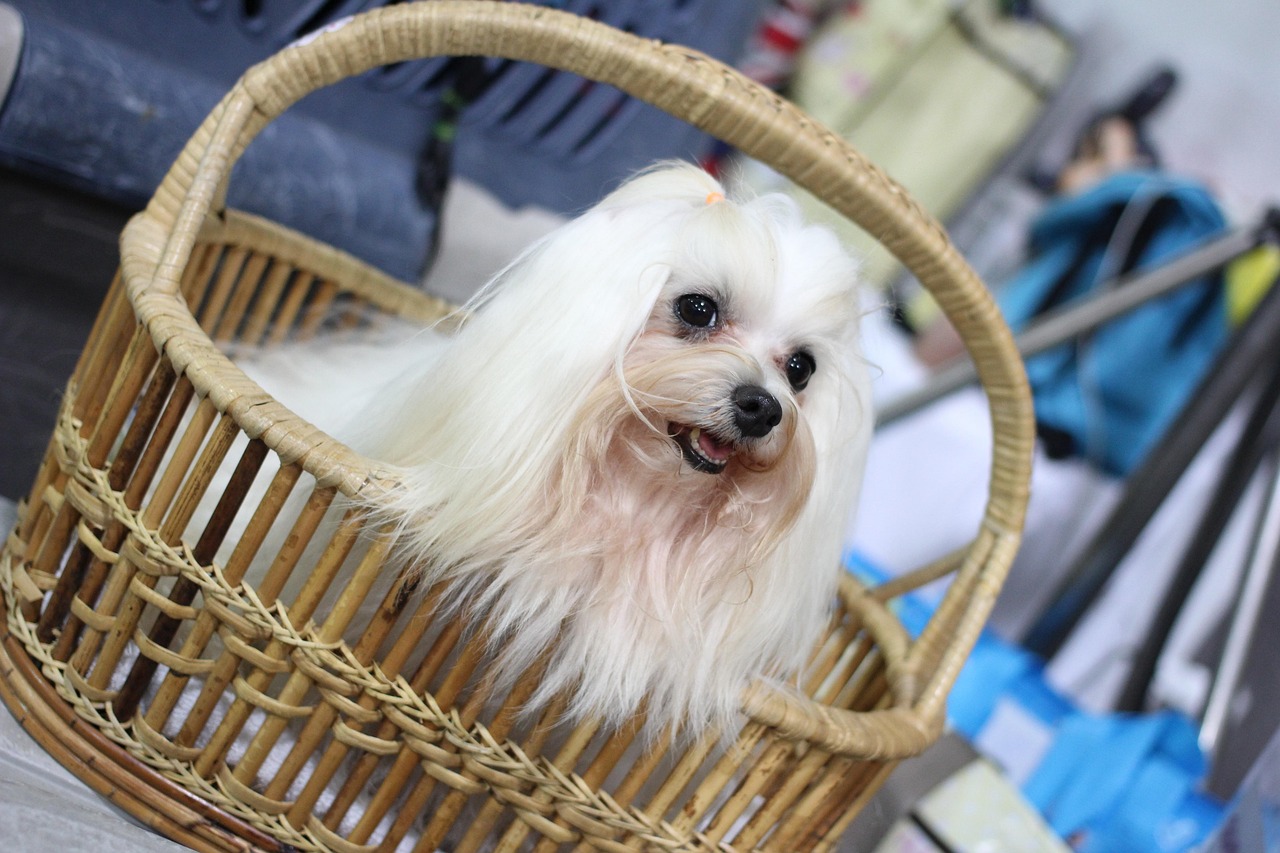

The Role of Grooming in Show Dog Presentation and Scores
Grooming for show dogs is an essential part of their care that directly affects their presentation in competitions. Show dogs must shine in several aspects to stand out, and grooming plays a pivotal role. It involves more than just bathing and trimming; it’s about highlighting each breed’s unique characteristics. Professional handlers often employ specialized techniques suited to the particular breed standard, striving to achieve the desired look. Grooming also includes thorough inspections for skin health and cleanliness that must be maintained consistently. Regular brushing removes loose hairs and dirt, promoting a shiny coat that judges closely evaluate. Additionally, trimming certain areas ensures a neat appearance, which enhances the overall impression on the judges. Products such as conditioners and shampoos made explicitly for show dogs can significantly help maintain a soft, clean coat. Proper grooming helps build rapport between the handler and the dog, showcased through their calm demeanor on the show floor. Therefore, it is essential for owners to engage professional groomers who understand their breed’s specific needs to ensure success in show competitions.
When preparing a show dog for competition, it is imperative to focus on the overall grooming routine. Aside from coat care, grooming encompasses maintaining general hygiene. This includes regular tooth brushing, nail trimming, and cleaning the ears. A dog’s teeth should be brushed to prevent bad breath and potential oral health issues. Nail trimming is crucial not only for presentation but for the dog’s comfort and functionality as well. Long nails can affect their gait, which can be a negative element during the judging process. Additionally, ear maintenance can help prevent infections and enhance their aesthetic appeal. Show dogs should be meticulously checked for any irritations or debris in the ears that might make them appear unkempt or unhealthy. All these aspects contribute to the dog’s total presentation. The interaction between the handler and the dog is also crucial, as calmness and confidence often translate positively during the judging process. A well-groomed and composed dog is more likely to impress judges, impacting the overall scores and placement at a show. Owners must remember these facets for an exceptional performance in the ring.
Common Grooming Techniques for Show Dogs
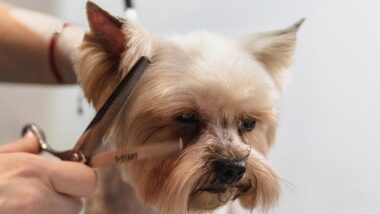
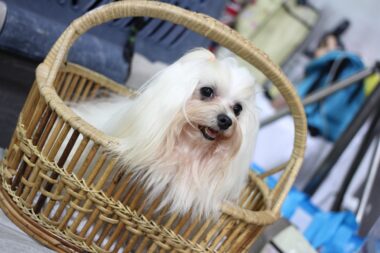
There are various techniques employed in grooming show dogs that serve to enhance their competitive edge. Many handlers are skilled in breed-specific grooming techniques, acknowledging that various breeds have distinct grooming requirements. Some dogs necessitate regular clipping and styling, while others may simply require a thorough wash and combing. Handlers often need to blend their knowledge about the breed standard with practical grooming skills. For long-haired breeds, techniques such as scissoring and thinning may be essential to create an elegant shape, while short-haired breeds may focus primarily on upkeep through effective brushing. Furthermore, products such as slicker brushes, combs, and specialized grooming scissors play crucial roles in achieving a pristine look. It’s also advised to prepare dogs weeks in advance of a show. Thus, handlers need to develop a grooming schedule that accommodates the dog’s needs. Regular baths should influence their coat texture and condition leading up to the show date. Consistency in grooming demonstrates the handler’s dedication and respect toward the dog, which judges often perceive positively on the competition day.
In addition to traditional grooming practices, some handlers incorporate creative grooming techniques, aimed at maximizing a dog’s appearance in the show ring. Creative grooming involves dyeing the dog’s coat or creating intricate designs, tailored to highlight specific traits. This approach can leave a lasting impression on judges, potentially influencing their scores. However, it is essential to tread carefully and maintain a balance between stylishness and adhering to breed standards. Judges often favor authenticity; thus, excessive alterations could attract negative scrutiny. Handlers must remain aware of the specific competition rules regarding creative grooming. Many shows allow a degree of creativity, but others may have strict regulations against any artificial alterations. To navigate this, consultation with veteran groomers or judges can offer valuable insights. Training and practice on the desired techniques can ensure that these creative elements enhance the dog’s natural beauty rather than overshadow it. Striking the right balance requires skill, experience, and a deep understanding of both the breed and the expectations of the judges. Grooms that respect tradition while adding a unique, entertaining touch can be particularly effective during competitions.
Preparing for Show Day
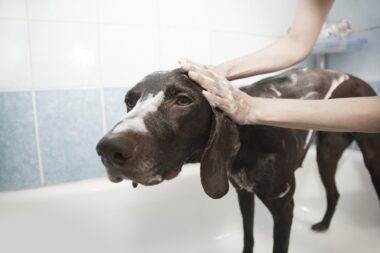
The final grooming session before show day is critical in achieving the desired presentation. Handlers typically undertake a complete grooming routine 24 to 48 hours before the event. This timeframe allows the dog to settle after intensive grooming processes, minimizing nervousness and ensuring they don’t look overly coiffed on the day. Additionally, dogs should receive a thorough wash with show quality shampoo, followed by conditioning treatments to enhance coat shine and texture. This last grooming step ensures they are in perfect form when stepping into the ring. Furthermore, drying techniques also play a significant role; many handlers opt for blow-drying to fluff coats for that extra volume and shine. After drying, a final brush-out is essential to remove any tangles, ensuring the coat lays perfectly. During this time, handlers also check for any last-minute issues, addressing them proactively. Show dogs should feel comfortable and relaxed, fostering a smooth experience in the high-pressure environment of dog shows. Hence, an effective grooming timeline and thorough preparation can significantly influence how a dog performs in the competition setting.
Presentation in the show ring is not solely dependent on grooming; it also relates heavily to the handler’s confidence and behavior. Judges often look for the synergy between a dog and its handler, as this rapport can influence the dog’s performance. A well-groomed dog paired with a calm and collected handler naturally attracts the judge’s positive attention. Handlers should practice their routines extensively before competitions. Walking a dog in practice can also enhance their enthusiasm and willingness to engage. The dog’s natural behavior shines through when they feel supported and confident. Walking the dog in the show ring should appear effortless and fluid, showcasing the dog’s movement while demonstrating the handler’s control and skill. During the presentation, handlers should ensure that the dog remains calm and composed. This involves using soothing verbal commands and gestures, reinforcing a positive atmosphere. Finally, being well-prepared also means knowing the breed standards and judges’ expectations. Handlers who present themselves with knowledge and experience ease both the dog’s and their own nerves, leading to a successful show experience, which is ultimately reflected in the final scores.
Post-Competition Care
Once the competition concludes, grooming continues, even for a dog that has performed well. Post-competition care focuses on maintaining the health and appearance of the coat and overall well-being. Regardless of the results, dogs require immediate attention following a show; they may need a gentle bath to remove any products applied or dirt accumulated during the event. This revitalizes their coat and helps them relax after the excitement. Additionally, checking for skin irritations or matting is crucial in ensuring long-term health. Keeping a record of grooming routines and health checks is valuable for future competitions. Handlers should continue with regular grooming schedules tailored to individual dog needs, focusing on areas that require extra attention following show days. Effectively managing post-competition grooming also builds a greater bond between the handler and the dog, reflecting strong communication. Incorporating relaxing techniques, such as gentle massage or playful activities, can help dogs unwind after the competition. Thus, comprehensive grooming care remains vital throughout a show dog’s journey, affecting performance in future competitions as well as their overall health and happiness.
Lastly, it is essential to acknowledge the importance of professional grooming services for show dogs. Investing in a skilled groomer enables handlers to ensure that certain techniques are executed correctly. This is beneficial particularly for those novice in the grooming arena. Professional groomers understand breed standards, often employing superior methods that account for both aesthetics and the dog’s comfort. They can offer tailored advice on effective grooming practices and recommend high-quality grooming products. Collaborating with a reputable groomer develops a valuable partnership, allowing handlers to address questions and share experiences. Regular professional grooming appointments also create a consistent schedule necessary for preparing dogs for competitions. Routine grooming diaries can be established to track grooming techniques and their effectiveness on the dog’s overall health and show performance. As such, this relationship supports better knowledge suitable for the unique grooming needs of each dog. Therefore, engaging a professional groomer contributes directly to the dog’s grooming success, positively impacting presentation and overall scoring during competitions. The individual attention and expertise provided pave the way for a successful and dynamic show career for any dog.