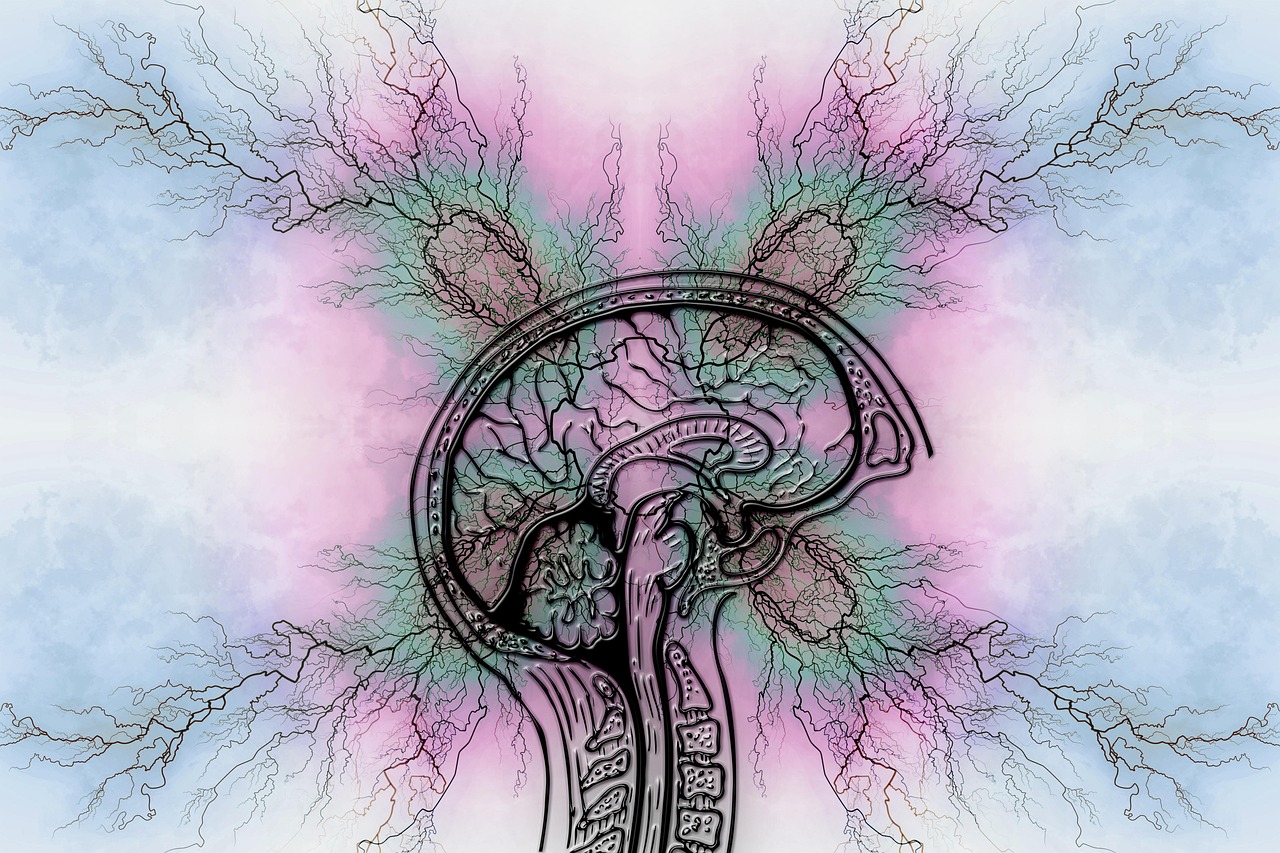

Epilepsy in Dogs: Causes, Symptoms, and Management
Epilepsy in dogs is a neurological disorder that results in recurrent seizures. This condition can significantly impact a dog’s quality of life. Understanding the causes of epilepsy is crucial for managing the condition effectively. In some cases, epilepsy may be genetic, passing through certain breeds such as the Labrador Retriever and Belgian Tervuren. Other causes include traumatic brain injuries, which can lead to epilepsy developing later in life. Additionally, factors such as infections, toxins, or metabolic disorders can contribute to the onset of seizures. It’s essential for dog owners to be aware of these causes and seek veterinary attention if they suspect their dog is affected.
Identifying Symptoms of Canine Epilepsy
Recognizing the symptoms of epilepsy is vital for timely diagnosis and treatment. Common indicators include severe convulsions, twitching, or sudden changes in behavior. Dogs may also experience loss of consciousness or temporary confusion during and after a seizure. The duration and frequency of these episodes can vary significantly. Owners should keep a detailed record of each event, noting the time, duration, and behaviors exhibited. Other symptoms might include excessive drooling, tail chasing, or unusual vocalizations before and after a seizure. Observing these behaviors closely can help veterinarians provide a proper diagnosis. If your dog exhibits these signs, seeking veterinary advice is imperative.
Management of epilepsy requires a comprehensive approach, including veterinary guidance. Management strategies often include medication, lifestyle adjustments, and sometimes specialized diets. Anticonvulsant medications such as phenobarbital and potassium bromide are commonly prescribed. These drugs help reduce the frequency and severity of seizures. However, it might take some time to find the right dosage or combination that works best for your pet. Regular veterinary check-ups are essential for monitoring medication side effects and determining its effectiveness. In addition to medication, creating a stress-free environment can benefit dogs with epilepsy. This includes maintaining a consistent daily routine to minimize triggers.
Diet and Lifestyle Changes for Epileptic Dogs
Diet plays a crucial role in managing epilepsy in dogs. Low-carbohydrate, high-protein diets can potentially reduce seizure frequency. Certain fatty acids found in fish oil might also help; thus, discussing dietary changes with your veterinarian is advised. Moreover, implementing a regular exercise routine can enhance your dog’s overall health, promoting better physical and mental well-being. Avoiding stressful situations is crucial as stress can trigger seizures. Engaging your dog in calming activities, such as obedience training or gentle play, can keep them active while minimizing anxiety. Hydration is just as important, so ensure your dog has access to clean, fresh water at all times.
In addition to diet and exercise, using supplements may also be beneficial. Products containing magnesium, B vitamins, and certain herbs may help improve neurological function. However, always consult your veterinarian before introducing new supplements into your dog’s diet. Keeping a seizure journal can also assist in tracking your dog’s response to diet and lifestyle changes. In this journal, you can note down any potential triggers or patterns observed in relation to seizure episodes, which can help inform your veterinarian’s treatment strategies. Additionally, consider seeking support from other dog owners experiencing similar issues, as sharing experiences can provide valuable insights and encouragement.
Emergency Care for Seizures
In the event of a seizure, knowing how to provide emergency care is essential. Stay calm and ensure your dog is in a safe environment, away from sharp objects or excessive noise. It’s crucial not to put anything in their mouth, as this can cause injuries. Timing the seizure is highly recommended since prolonged seizures may require veterinary intervention. If a seizure lasts more than five minutes or occurs consecutively, contact your veterinarian immediately or visit an emergency animal clinic. After the seizure, allow your dog to rest in a quiet place, as they may be disoriented and need time to recover. Monitoring their behavior after a seizure is also necessary to identify any postictal phase symptoms.
Living with a dog that has epilepsy can be challenging, but with proper management, many dogs can lead fulfilling lives. Establishing a routine and adhering to veterinary recommendations fosters a supportive environment. Join local or online support groups focused on canine epilepsy to gain helpful resources and tips. These communities can offer helpful experiences and insights on both daily care and emergency management. Emphasize the importance of vigilance, and remain proactive in managing your dog’s health to reduce risks. Work closely with your vet to adjust treatment plans as needed, ensuring your dog receives the best possible care for a better quality of life.
Educating yourself about epilepsy will empower you as a pet owner. Stay informed about the latest research, treatment options, and support measures. A better understanding of the condition can lead to improved communication with your veterinary team. Advocate for your dog’s health by maintaining open dialogue with your veterinarian. Additionally, attending veterinary health seminars or reading up-to-date articles can enhance your knowledge of managing epilepsy in dogs. Keeping an open mind and being patient is essential while finding the best treatment options tailored to your dog’s unique needs. By doing this, you can greatly improve your dog’s life and overall well-being.