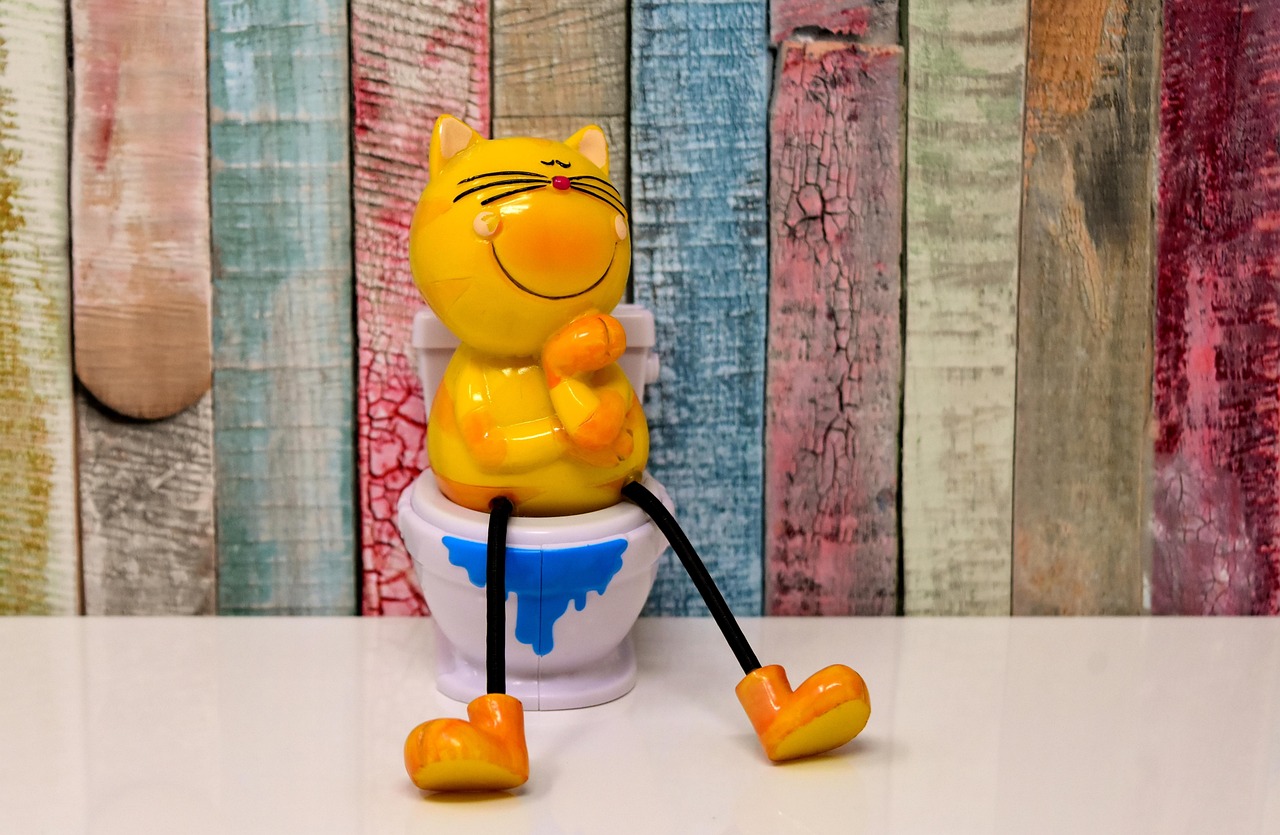

Encouraging Litter Box Use in Recently Adopted Cats
Bringing a new cat home is an exciting time, however, understanding their behavior is crucial. Adjusting to a new environment can be challenging for them. It’s essential to help your cat feel comfortable and secure in its surroundings. One major concern for many cat owners is litter box use after adoption. Often, recently adopted cats might struggle with litter box habits due to stress or unfamiliarity. As such, it’s crucial to establish a routine that promotes this behavior. You can begin by placing the litter box in a quiet, low-traffic area, helping your cat associate this space with comfort. Additionally, close observation of your cat’s habits can provide insights into their preferences for litter type and box style. Furthermore, maintaining cleanliness is essential; scoop the box daily to encourage usage. Keep in mind that changes in behavior may take time, so patience is key. Offering positive reinforcement when they use the box will facilitate habit formation. Over time, these practices will significantly improve their confidence and comfort, contributing to successful litter box habits.
Using the right litter can also play a major role in encouraging your adopted cat to use the litter box. Cats often prefer sandy or fine-textured litter. Experimenting with different types can help find the right fit. Be consistent in using the same litter, as this familiarity helps them feel secure. Cleaning the litter box regularly is vital; ideally, clean it at least once every three to four days, clearing waste and changing litter completely once a week. A fresh, clean environment will encourage your cat to return to the box willingly. Furthermore, you should consider their preferences regarding the type of box, whether covered or uncovered, allowing your pet to express comfort in its choice. In addition to this, checking for potential health issues is essential. If your cat avoids the litter box, it could signal a urinary tract infection. Regular veterinary visits can help detect and address such issues promptly. Finally, maintaining a stress-free atmosphere within your home also enhances litter box usage. Minimize loud noises and sudden changes to foster a peaceful environment for your cat.
Establishing a routine can significantly impact a recently adopted cat’s litter box habits. Cats are creatures of habit and thrive on a set schedule. Ensure you feed them at the same times daily, as this helps regulate bowel movements. After meals, cats often feel the urge to relieve themselves, making this an ideal time to encourage box usage. Additionally, providing easy access to the litter box is crucial. If your cat is older or has mobility issues, consider using a litter box with lower sides for easier entry. You can observe your cat’s behavior closely in the initial weeks to determine how well they’re adjusting to their new home. If they use the litter box consistently, reward them with gentle affection or treats to reinforce positive behavior. Moreover, if a cat is nervous or anxious, it may refuse to use the box. Providing a hideaway or cozy bed nearby can offer them comfort, promoting an easier transition. The effort invested in creating a comforting space far outweighs the challenges faced during this adjustment period, leading to a happier life together.
Understanding the Importance of Location
Choosing the right location for the litter box can significantly influence its successful use. Cats prefer private, quiet areas where they feel safe, away from the hustle and bustle of household activity. Avoid placing the box near their food and water dishes; this is crucial for their comfort. Most importantly, ensure that the box is easily accessible, particularly for young kittens or senior cats who join your family. A cluttered spot or an area where they might be startled can deter them from using it. Consider multiple boxes if you have a larger space or more than one cat; a good rule is one box per cat plus one extra. The placement of these boxes should be strategically thought out so that your felines never have to travel far to find one. Once you identify the best locations, monitor your cat’s behavior closely to ensure they’re using the box, and make any necessary adjustments. Creating a positive experience around the litter box will promote consistent usage and help your cat settle into their new home comfortably.
Making the litter box a positive space is another effective strategy to encourage use. Avoid any form of punishment for accidents, as it can lead to fear and distrust. Instead, when your cat continues to use the litter box properly, praise them with gentle words and allow them a treat. Ensuring the litter is clean and fresh plays a large role in their willingness to use the box too. If they do have an accident outside the litter box, clean the area thoroughly with an enzyme-based cleaner to eliminate lingering odors. This will deter them from returning to that location. If your cat tends to go inappropriately, consider consulting a behavior specialist if the problem persists. Making minor adjustments in your home environment can significantly influence your cat’s behavior. These changes, in tandem with monitoring their overall stress levels and adjusting the setup, can provide a supportive path towards successful litter box habits. Offering a positive reinforcement approach, strengthening their confidence, helps build a healthier friendship for both you and your new feline.
Signs of Litter Box Issues
Being vigilant about your cat’s litter box habits after adoption can prevent potential problems. If your cat is avoiding their box, it may indicate a urinary tract issue, stress, or dissatisfaction with the box setup. Pay attention to any signs such as sudden avoidance, vocalizing near the box, or changes in their litter box frequency. A visit to the veterinarian is encouraged should you notice changes particularly in their urination patterns. Sometimes, minor environmental changes can be stressful for your new cat. It’s essential to remain aware of any signs indicating discomfort or discontent. If they’re returning to the same accident spot, it indicates they may need additional training or reassurance around that area. Sometimes, adjustments in daily routines can improve their willingness towards the litter box. Being proactive in observing these signs while providing support helps ensure constant reflection on their behavior. Understanding your new cat is crucial in making adjustments that promote a litter box-friendly environment, consequently establishing a happy and harmonious home.
In summary, encouraging litter box use in newly adopted cats requires patience, observation, and adaptation. By providing appropriate space, ensuring the box is clean, adjusting the location, and offering consistent routines, you promote successful behavior. Observe your new cat and learn about their preferences for reducing stress. Utilize strategies such as positive reinforcement to instill confident habits. Be aware of signs that suggest discomfort, and address them promptly for optimal health. You might require adjusting your approach as your pet grows comfortable in their new environment, so being flexible can be beneficial. With continued effort and understanding, successfully guiding a new cat to use the litter box will lead to a more harmonious home life. Remember, each cat is unique, so listening to their needs is essential. Also, keep consulting your veterinarian and observing for any ongoing behavioral changes. The precious bond you establish with your feline companion will flourish as they settle into their new surroundings, ensuring a peaceful and loving environment for both of you.
The Journey Ahead
As you embark on this rewarding journey with your newly adopted cat, remember that building trust takes time. Your efforts in establishing a safe, comforting space will greatly assist in easing their transition. There will inevitably be ups and downs, but patience and love will pave the way for a mutually satisfying relationship. Continue your efforts in monitoring their litter box habits, adjusting the environment as needed, and offering support. Celebrate the small victories, such as litter box success or other accomplished milestones in their adjustment period. The commitment shown in this time will strengthen the bond between you and your feline companion for years to come. Embrace the joyful moments as your cat becomes familiar with their new home, gradually learning to trust you. Patience in this journey will yield immense rewards, resulting in a happy, healthy feline life. In conclusion, promoting litter box usage requires understanding, observation, and adaptability, creating an environment that aids in this essential behavior. With tenderness and strategy, successful litter box habits can lead to an enduring and joyful relationship.