
Veterinary Advice on Cat Hiding and What to Watch For
Understanding why cats hide is crucial for any cat owner. Cats are mysterious creatures, often exhibiting behavior that may seem perplexing. Hiding is a natural instinct for them, influenced by various factors, including safety and stress. As a pet owner, recognizing the signs of distress or illness can help you to safeguard your feline friend. A sudden change in hiding behavior may signal health issues. When your cat chooses to retreat, it might be seeking solace from overwhelming environments. To ensure your cat’s well-being, consider the following factors: Was there a recent change in the home? Are there loud noises or new people around? It’s vital to remain observant. Cats thrive in secure environments, with their own personal spaces. If hiding becomes excessive, consult your veterinarian. Regular check-ups are essential. Pay attention to other signs of discomfort, such as changes in appetite, aggression, or lethargy. These behaviors often indicate underlying issues requiring immediate attention. Therefore, always prioritize your cat’s health by maintaining open lines of communication with your veterinary professional and addressing any concerning behaviors timely.
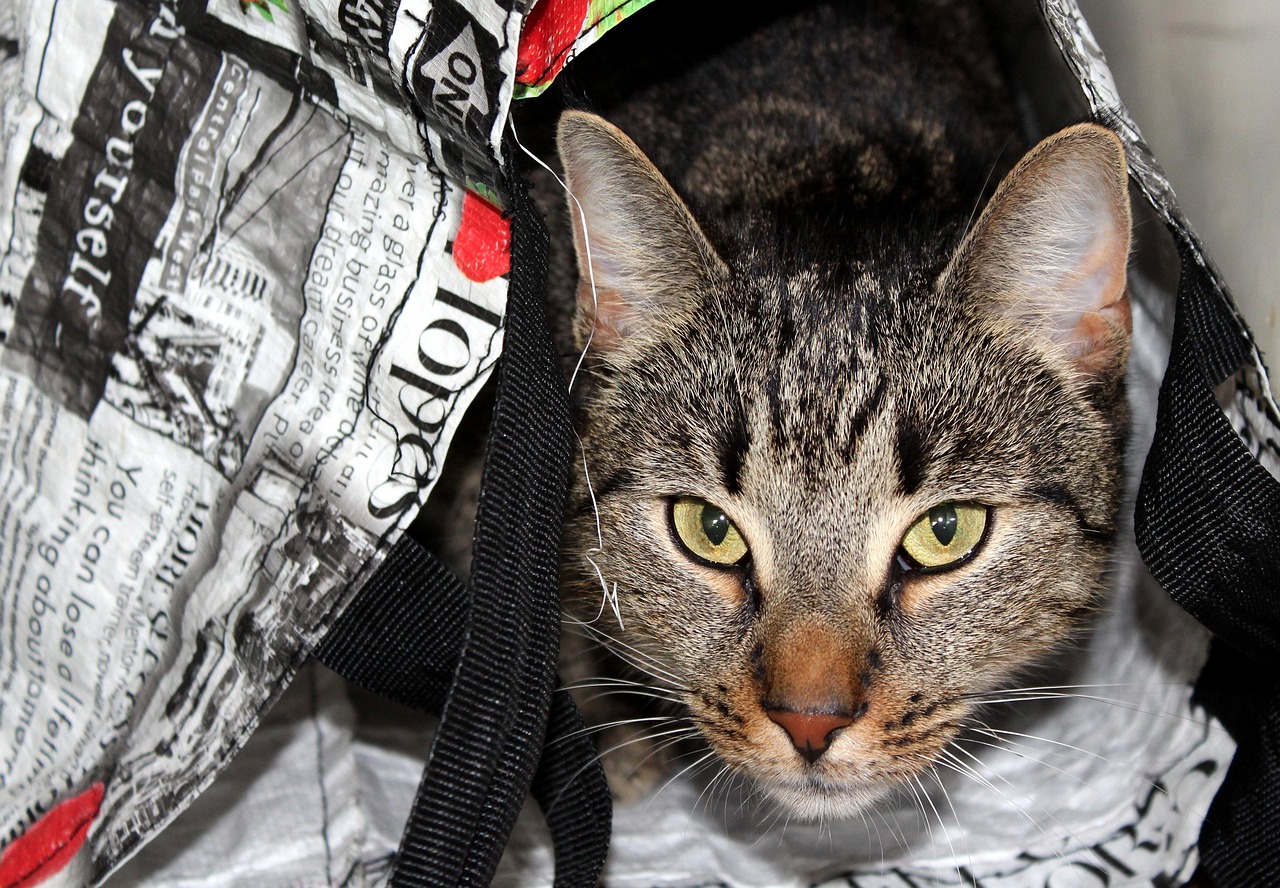
Furthermore, it’s essential to consider the hiding spots your cat chooses. Cats often seek dark, enclosed spaces where they feel secure. They may hide under furniture, inside boxes, or any small, tight spot where they feel sheltered. Such locations allow them to observe their surroundings while staying protected. If your cat has taken to hiding more frequently, maintain a calm atmosphere in your home. An environment filled with loud sounds, numerous visitors, or rapid changes can lead your cat to seek refuge. Providing dedicated areas in your home where your cat can retreat also helps. Consider cozy beds, cat towers, or even a designated ‘safe zone’ with familiar items. Incorporate soothing elements like soft blankets or toys that promote comfort. Engaging in regular playtime can also alleviate anxiety and reduce hiding behavior. Cats require stimulation, both physically and mentally, to thrive. As a responsible owner, establish a routine. Introduce interactive play sessions and maintain a balanced diet to keep your cat happy and engaged. Always monitor changing behavioral trends, and consult professionals if significant alterations occur in their hiding patterns.
Common Reasons for Hiding Behavior
Several common reasons can explain a cat’s hiding behavior. Stress and anxiety are primary factors. Cats are highly sensitive creatures, and any change in their environment can lead to feelings of distress. Examples include moving to a new house, introducing a new pet, or even rearranging furniture. Fear can also prompt hiding, especially in situations where they feel threatened. When faced with unfamiliar noises or sudden movements, cats often retreat. Illness is another significant reason. If you notice an increase in hiding alongside other symptoms, it could indicate that your cat is unwell. Common signs accompanying hiding include decreased appetite, unusual vocalizations, or changes in grooming habits. Additionally, older cats may hide due to pain from arthritis or other medical conditions. Observing these behaviors and their context is crucial. As a pet owner, if your cat frequently hides without an apparent reason, it may be time to contact a veterinarian. Early intervention can lead to better health outcomes. Remember, understanding your cat’s behavior fosters a deeper bond and better overall health.
Moreover, specific breeds may exhibit differing tendencies towards hiding. For instance, shy or sensitive breeds might be more prone to this behavior. On the other hand, outgoing breeds may not hide as often. Individual personality also plays a significant role in behavioral patterns. Cats with more social interactions tend to be less inclined to retreat frequently. Further, consider their past experiences. Stray or abandoned cats may inherently be more cautious and prone to hiding, stemming from their survival instincts. Providing these cats with a nurturing and stable environment can help alleviate anxiety. Always remember that patience is key. Allowing your cat to adjust to their surroundings at their own pace is imperative. In time, they may become more comfortable in a stable environment. Be observant, and engage gently with your cat to build trust. Sometimes, simply being present can reassure them. Additionally, employing pheromone diffusers can create a calming atmosphere in your home, reducing anxiety levels significantly. Regular interactions and a structured routine offer much-needed security for cats, allowing them to explore their environment confidently.
Health Concerns Linked to Hiding
Health concerns linked to hiding in cats can range from mild to severe. One of the first signs of illness is often a change in behavior, such as increased hiding. When cats feel unwell, they instinctively seek solitude to protect themselves. They may not want to be around others, signaling potential health issues. Common ailments include dental disease, infections, or even digestive problems. Observing any changes in eating habits, litter box usage, or energy levels is crucial. Seek veterinary assistance if your cat’s hiding appears excessive or is accompanied by lethargy. Consider their grooming status as well; a cat that neglects grooming may be exhibiting discomfort. Other alarming signs include vomiting, diarrhea, or blood in urine. Regular veterinary check-ups can help catch potential issues earlier, even before behavioral changes occur. Ensure vaccinations are up-to-date and discuss any concerns about your cat’s behavior with your veterinarian. They may recommend additional diagnostics to rule out underlying health issues. Regular health assessments allow for timely interventions, preserving your cat’s quality of life and ensuring they remain active and engaged.
Establishing trust and improving your relationship with your cat can further reduce hiding. Create a safe environment by minimizing stressors and providing cozy hiding spots. Additionally, engaging your cat in playful activities can decrease anxiety levels. Use toys that promote mental stimulation and physical activity, such as feather wands or laser pointers. The goal is to encourage exploration and comfort within your home. Always be mindful of their preferences, as some cats enjoy interactive play, while others might prefer solo activities. Building a bond with your cat takes time; patience is essential. Avoid forcing interactions, as this can lead to increased anxiety. Gradually introduce playtimes and encourage them with treats to foster positive associations. Through patience and understanding, you can help your cat feel secure and, ultimately, reduce their need to hide. Always recognize their signs of comfort and distress, and adjust your approach accordingly. Trust building leads to a healthier pet-owner relationship, promoting both emotional and physical well-being in your feline companion.
Conclusion and Final Thoughts
In conclusion, addressing the reasons behind your cat’s hiding behavior is paramount. Regular engagement with your veterinarian helps in monitoring your cat’s overall health and changes in behavior. Recognizing stressors in their environment and making adjustments is critical. Ensure that your cat feels safe and secure in their surroundings. Engage them without overwhelming them and provide opportunities for safe exploration. Avoid varying routines or environments too drastically, allowing your cat to feel in control. When in doubt, consult with feline behavior experts or veterinarians for tailored advice. Each cat is unique, with specific needs and behavioral tendencies. Understanding their cues and developing trust fosters a joyful environment. Always keep the lines of communication open regarding your cat’s well-being. Hiding occasionally is normal; however, continuous or sudden hiding merits attention. By creating a positive and stable home, you enhance not only your cat’s life but your relationship as well. Ultimately, both you and your feline companion can coexist harmoniously, free from undue stress and anxiety, ensuring a happy, healthy life together.
Each cat’s personality can significantly influence their hiding behaviors. Cats, just like people, have unique dispositions that dictate their responses to environmental stimuli. Understanding this individuality is key to better managing their behavior. A shy cat may retreat readily at the slightest change, while a more confident feline might face challenges with curiosity. Therefore, it is vital to recognize their specific traits and adapt their environment accordingly. Providing a peaceful home atmosphere contributes greatly to a cat’s sense of security. Avoid fast-paced changes like relocating furniture too frequently or introducing new pets abruptly. Recognize and appreciate your cat’s unique needs, fostering a nurturing atmosphere that supports their well-being. In addition to creating comfortable spaces, mental stimulation is equally essential. Regularly engage in interactive play sessions, which not only build connections but also divert any anxiety. Cats need both physical activity and mental challenges to thrive. Understanding these essential components, pet owners can develop supportive environments that mitigate hiding. Ultimately, staying observant and sensitive to their signals will help you be a responsible and caring cat owner.