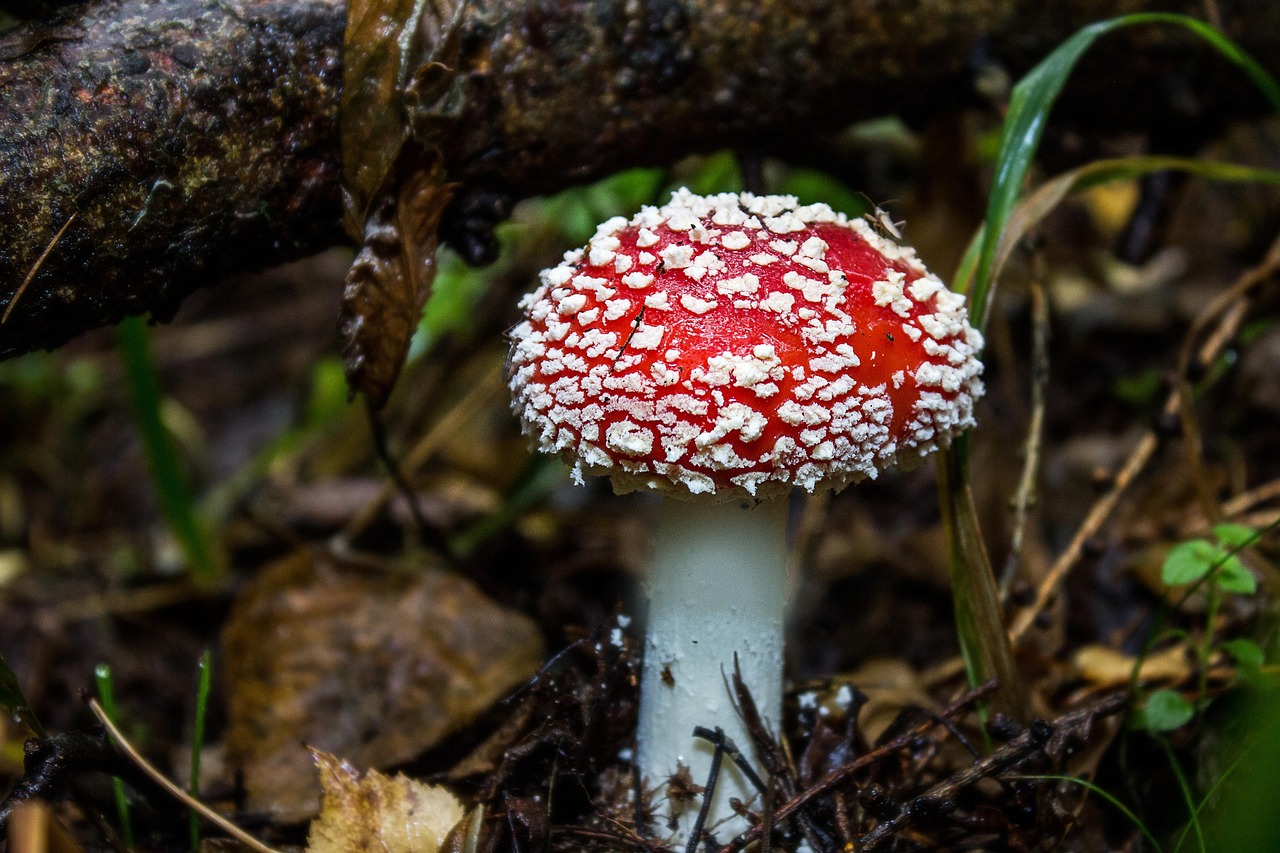

Emergency Response: What to Do If Your Kitten Eats a Toxic Plant
As a responsible pet owner, understanding the potential dangers of your surroundings is crucial, especially when it comes to your kitten’s safety. Cats are naturally curious creatures, and they often explore their environment by tasting things. A variety of common household plants can pose a serious threat to their health. If you suspect that your kitten has ingested a toxic plant, swift action is essential. Begin by identifying the plant your kitten has eaten. Some common toxic plants include lilies, sago palms, and philodendrons. Each type of plant has specific symptoms associated with its toxicity. Quick identification can help you communicate effectively with your veterinarian. In the event of ingestion, it’s vital to remain calm, as panic can worsen the situation for both you and your pet. Once you recognize the plant, observe your kitten for any immediate signs of distress such as vomiting, lethargy, or difficulty breathing. Such symptoms may indicate the need for urgent medical assistance. Ensure that you have the plant’s name handy to provide necessary information to your vet if required. Acting promptly can significantly affect the outcome.
A thorough assessment of your kitten’s condition is vital if you suspect a toxic ingestion. Monitor their behavior closely for unusual activities or changes in habits. If your kitten begins to exhibit symptoms of poisoning, do not delay in seeking veterinary help. Symptoms may vary depending on the type of toxin and the amount consumed. Common signs often include excessive drooling, vomiting, diarrhea, or signs of abdominal pain. If your kitten displays severe lethargy or respiratory issues, these may be signs of a critical situation requiring immediate medical intervention. It’s also worth noting that kittens tend to ingest substances they find appealing, which can increase their risk of poisoning. Always keep an eye on your kitten’s exploration habits and ensure that hazardous items and plants are well out of their reach. Preemptive measures such as creating a safe environment for your pet can also enhance their wellbeing. Regularly inspecting your home for potentially harmful plants at least once a month can help prevent unfortunate incidents. In addition, educate yourself on the symptoms of poisoning to quickly assess your kitten’s condition.
First Steps When You Suspect Poisoning
If you confirm that your kitten has consumed a toxic plant, the first step is to consult your veterinarian immediately. Providing timely information can make a significant difference in your kitten’s treatment. The vet may ask specific questions regarding your kitten’s health, behavior, and the timeframe of ingestion. Being prepared with answers can help streamline the process and ensure a faster response. Avoid making assumptions and do not induce vomiting unless your vet advises it, as this may cause additional harm. Additionally, it is essential to bring in a sample of the plant in question, if possible. This can allow the vet to identify toxicity levels and provide the appropriate treatment. Remember that self-treatment is dangerous. After the initial consultation, follow your veterinarian’s advice exactly. They may recommend bringing your kitten in for an examination and possibly treatment. Depending on the extent of the poisoning, options for treatment can vary from hospitalization to the administration of activated charcoal to reduce toxin absorption. Maintaining a calm environment during this process can significantly reduce stress for both you and your kitten.
It’s critical to stay informed about the plants that may be found in your home, as well as the dangers they present to your kitten. An excellent resource is the ASPCA’s Toxic and Non-Toxic Plants List, which can provide valuable insight into safe household plants. Consider replacing toxic plants with pet-friendly alternatives, like spider plants or basil, to ensure your kitten’s safety. Keeping a pet-safe environment is about more than just removing plants; consider any household items that could pose risks, including chemicals and cleaning products. Always store chemicals securely and make sure that any potential hazards are out of your kitten’s reach. You can also create a safe space for your kitten using designated toys and scratching posts to redirect their curiosity. Regularly inspect and clear your space of any small items that they might ingest or get stuck in. Making these small adjustments can significantly improve your furry friend’s safety. Furthermore, educating your friends and family about keeping your kitten’s space safe can defend against accidental poisoning. Awareness and changes to your environment can create a much safer home for your new kitten.
Preventative Measures to Keep Your Kitten Safe
Creating a safe indoor environment is the key to preventing toxic plant ingestion. Regularly pruning and maintaining your houseplants will reduce the likelihood of your kitten being attracted to them. Training your kitten to respect boundaries can also contribute to their safety. Consider using deterrents that are safe but effective to keep your kitten away from harmful plants. To effectively execute this, you may want to use scents or sprays that are unappealing to your kitten. Additionally, consult your veterinarian about any recommended plants that are kitten-approved. Knowledge can empower you to act decisively if you ever find your kitten in danger of eating something harmful. Establishing a routine to review your home environment regularly can prove beneficial in monitoring potential hazards. When guests visit, make sure they are also aware of the plants and items in your home that could harm your kitten. Establishing a safety-first mindset and sharing that awareness with others can create a supportive framework for your kitten’s wellbeing. Remember, prevention is always better than cure, especially in cases of plant-related toxicity.
If your kitten demonstrates interest in plants, you may want to provide safe, edible options that will satisfy their curiosity. Cat grass and catnip are popular plant choices that can safely satisfy those exploratory tendencies while keeping your kitten safe. Alternately, you can create interactive experiences using toys to distract them from hazardous plants. Training your kitten involves consistency, patience, and positive reinforcement to help them associate safe areas and objects with rewards. Engaging them with playtime will keep their minds focused elsewhere. For those who have a garden, be vigilant that outdoor plants are also free from potential dangers to your pets. Regular inspections will ensure no harmful plants are being ingested unknowingly. In case your kitty shows distress in the outdoor environment, it may be worth considering setting up a secured area for them. Fencing your garden, using leashes when outside, or growing pet-safe plants can ensure their safety. Cats thrive in environments where they engage and find mental stimulation. By integrating these techniques, you can craft a nurturing space that caters to your kitten’s adventurous spirit while safeguarding their health.
Conclusion: Staying Prepared for Emergencies
In conclusion, being aware of the potential dangers that exist in your home is essential for a safe environment for your kitten. Understanding how to respond in the event of accidental plant ingestion cannot be overstated. Preparedness is focused on three areas: knowledge, prevention, and timely action. Understanding common toxic plants and signs of poisoning helps you act decisively. You can reinforce safety by practicing preventative measures, including managing household hazards and creating safe spaces. The importance of consulting with a veterinarian cannot be stressed enough. Their guidance will ensure the best approach towards recovery. Lastly, fostering a culture of awareness and openness among your friends and family will enable them to participate in safeguarding your kitten. Equip yourself with resources and become an informed pet parent. Always be ready to react, create a safe environment for your furry friends, and keep an eye on the plants that surround them. By staying informed and proactively managing potential risks, you can enrich your kitten’s life while keeping them safe from harmful substances.
By doing so, you build a loving and secure space for your pet, fostering peace of mind.