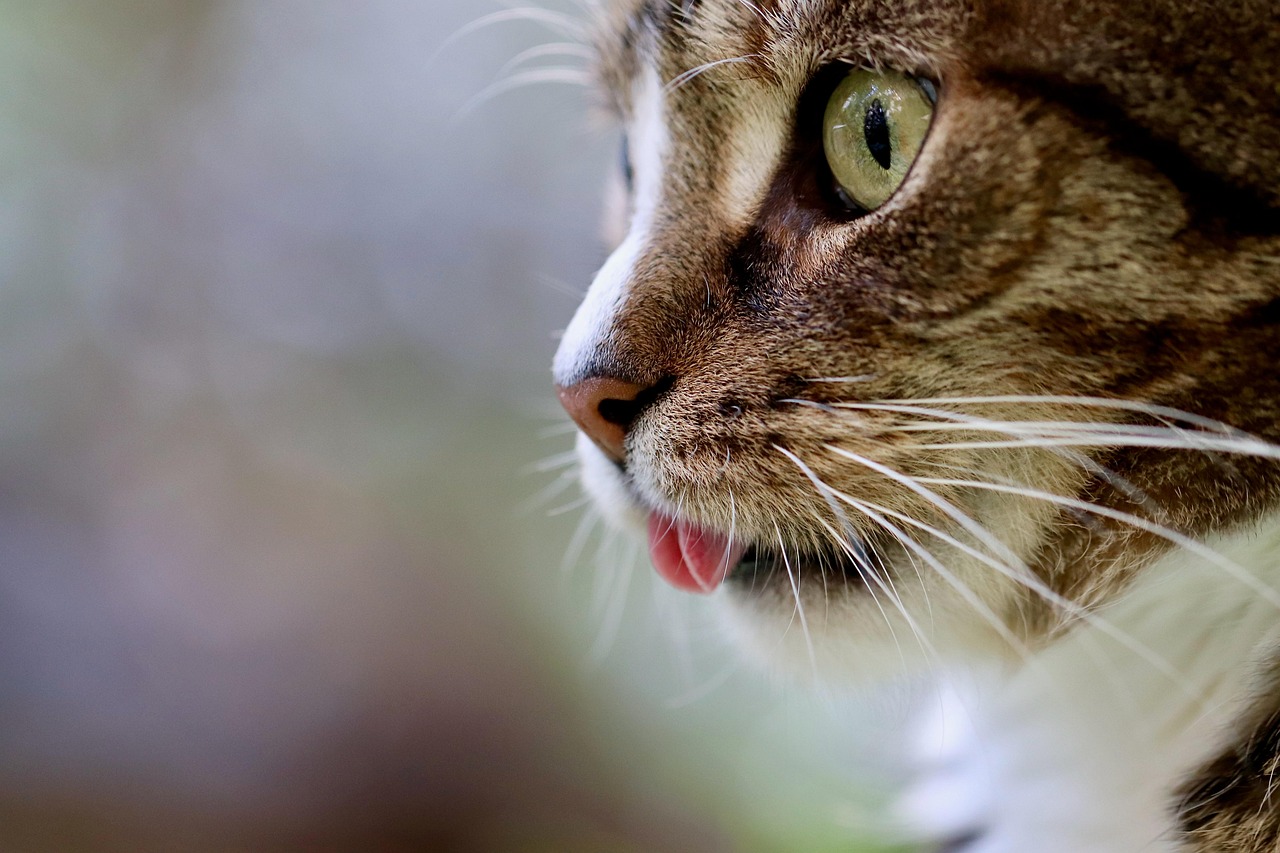

How to Care for Your Newly Adopted Cat from an Adoption Drive
Adopting a cat from an adoption drive can be a delightful experience. Soon enough, your home will fill with purrs and playful antics. However, the transition period might prove challenging for both you and your new feline friend. The first step is ensuring that your home is a safe space for your new companion. To facilitate a smooth adjustment, consider cat-proofing your living space by securing loose wires, removing toxic plants, and providing cozy spaces for your cat to retreat. Additionally, it’s essential to have the necessary supplies on hand before bringing your cat home. Equip yourself with food, a water dish, a litter box, and a scratching post. If your cat is still getting accustomed to the environment, providing a cozy bed will help them feel secure and relaxed. Mindfully introducing your cat to different rooms can help avoid overwhelming them, promoting a gradual exploration. Patience, love, and understanding go a long way during this integration period, ensuring a happy home for you both. This guide aims to help you transition smoothly into this exciting chapter of cat parenthood.
Setting Up a Cat-Friendly Environment
After you adopt your new cat, it’s crucial to set up an environment conducive to their needs. Start by establishing a designated area in your home, usually quiet and away from excessive foot traffic. This space serves as a safe haven where your cat can adjust comfortably. Make sure to include their litter box, food, water, and toys within this area. Cats thrive on stimulation, so include climbing structures, scratching posts, and interactive toys. It is also vital to remain patient as your new friend explores their surroundings. Engage them with gentle play; a wand toy or feather teaser can help bond and encourage activity. Observe their behaviors to understand their preferences, ensuring you make them feel welcome and secure. An environment that embraces a cat’s natural instincts not only assures comfort but also encourages positive behaviors. Regular interaction helps build trust and allows your cat to acclimate in a stress-free manner. Creating room for them to explore while maintaining their sanctuary will ease their transition into your family. Ensure you maintain cleanliness and organization in this area for both hygiene and comfort.
Feeding your newly adopted cat is an essential part of their care. Choose high-quality cat food, tailored for their age and health requirements, ensuring they receive the right nutrients. Consult your veterinarian for personalized recommendations, as they can help suggest specific dietary needs if your cat has health concerns. Transitioning your cat to the new diet should be gradual, starting by mixing their previous food with the new one over several days to prevent digestive issues. Fresh water should always be available, and maintaining cleanliness is vital for their health. Monitor their eating habits and appetite, as changes can indicate health issues. It is essential not to overfeed them, as obesity is a risk, especially in indoor cats. Furthermore, providing regular feeding schedules builds a routine that can help reduce anxiety. Engage in bonding by participating in feeding time while using that opportunity to interact and express affection through gentle petting. This bond nurtures trust between you and your cat, making your home a safe and loving environment. Continuously assess their diet and adjust as necessary throughout their life stages for optimal health.
Health Care Considerations
Health care is of utmost importance for your newly adopted cat. Schedule a vet appointment soon after bringing them home to ensure they are up-to-date on vaccinations and preventative treatments. Regular health check-ups help monitor weight, dental health, and any underlying health issues that may need addressing. Spaying or neutering is another crucial factor to consider, as it helps control cat population and supports better health. Make sure to follow your veterinarian’s advice on flea and tick prevention, as well as heartworm prevention if applicable. Additionally, keep an eye out for any behavioral changes or signs of distress. Cats can be prone to stress and anxiety, especially during transitions. Creating a calm and consistent routine contributes to their well-being and reduces stress. Always observe and promote positive behaviors as part of your care routine. Understanding feline body language is essential; cats often communicate through subtle cues. Engage in positive reinforcement training, rewarding good behavior with treats or affection. This encourages a positive atmosphere and deepens your relationship. Keeping your cat healthy ensures they can enjoy a long, happy life in your loving care.
As part of your responsibility, grooming your newly adopted cat is vital for their health and appearance. Different breeds require various grooming levels, though all cats benefit from regular brushing. Long-haired cats may need daily grooming to prevent matting; short-haired cats may require weekly brushing to eliminate loose fur and reduce shedding. Regular grooming keeps their skin healthy and helps you spot any abnormalities or parasites. It can also be a bonding activity that enhances trust between you and your feline. Besides brushing, consider regular nail trimming; keeping their nails short helps prevent scratching and injury. Most cats dislike having their nails cut, so introduce the process slowly while using treats as positive reinforcement. Moreover, dental care cannot be overlooked; regular brushing and dental treats support oral health. Cat-specific toothbrushes and toothpaste are essential tools in your grooming kit. If grooming feels overwhelming, consider hiring a professional groomer for assistance. Fostering comfort during grooming sessions makes them a positive experience and motivates your cat to cooperate. Your efforts will result in a healthy, well-groomed companion who feels loved and secure in their new environment.
Socialization and Playtime
Socialization is crucial in helping your adopted cat acclimate to their new home. Take time to engage with them daily; play helps strengthen your bond and encourages confidence. Interactive toys, such as feather wands or laser pointers, stimulate their natural hunting instincts, so choose an array of toys for diverse play experiences. Observe which toys your cat enjoys most, and rotate them regularly to keep playtime fresh and exciting. Cats are also social animals who crave engagement with their humans. Regular play sessions foster trust and positive interaction, easing any anxiety. Additionally, introducing them gradually to other pets in the household helps avoid overwhelming them. Supervise initial meetings and reinforce positive behavior through praise. Patience is vital; allow your cat to initiate contact with other pets. If your cat shows any signs of distress, provide a safe retreat where they can feel secure. Creating a social environment filled with love and trust will contribute positively to their overall well-being. Remember, every cat’s personality is unique, and adapting your interactions accordingly is key to successful socialization.
Finally, consider the importance of creating a routine for your newly adopted cat. Cats thrive on consistency, making regular feeding, play, and grooming schedules essential for their comfort and confidence. Establish a timeline that works for both you and your cat, mapping out daily activities to ensure you can spend quality time together. Regular routines give your cat a sense of stability and security, reducing anxiety and establishing a pattern they can depend on. By prioritizing bonding through shared activities, such as playtime and grooming, you’re nurturing a strong emotional connection. Additionally, keeping their environment organized and predictable supports a stress-free living area. Don’t forget to incorporate quiet time as well, allowing them to relax and recharge. This combination of activity and rest creates a balanced life and promotes overall well-being. Be mindful of their behavior and adjust the routine to their needs as you observe their responses. A loving and consistent approach goes a long way, ensuring your newly adopted cat feels cherished, safe, and happily integrated into your family.
Your New Journey Together
Caring for your newly adopted cat is an exciting journey filled with love, commitment, and responsibility. By providing a safe environment, regular veterinary care, and thoughtful socialization, you ensure your feline friend has the best possible life. As you navigate this new experience together, remember that patience is key; every cat has its unique personality and pace of adjustment. Embrace the moments of joy, as well as the challenges, and remain attentive to their needs. Celebrate milestones, whether it’s their first purring or initial playful leaps. Every small win contributes to a loving relationship that fosters trust and companionship. Always strive for a deeper understanding of your cat’s behavior and preferences, as it will enrich your bond. This transition can be overwhelming for them initially, but your dedication will pay off as they flourish in your care. Lastly, always recognize the immense impact of your love; it creates a nurturing environment in which your cat will thrive for years to come. Your journey as a cat parent will be unforgettable, filled with joy, excitement, and unconditional love.