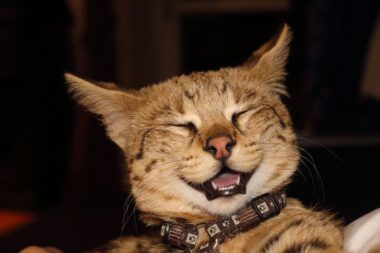

Training Tips for Savannah Cats
Training a Savannah cat requires dedication and patience. These cats are highly intelligent and possess a strong sense of curiosity. To provide effective training, start with basic commands, such as sit, stay, and come. Use positive reinforcement techniques like treats, praise, or affection when they obey commands. This encourages them to repeat the behavior. Additionally, be consistent with your commands and cues, as this helps them understand what is expected. Consider using clicker training, which can be especially effective with their quick comprehension. Clicker training allows them to associate the sound with the desired action, making learning more engaging. Also, engage in play sessions that stimulate their mind and body. Toys that mimic hunting will keep them interested and active. However, ensure that training sessions are brief, as these cats can easily lose focus. Aim for about 5 to 10 minutes for each session, gradually increasing the intensity. Always remember that Savannah cats thrive on routine, so consistency is key in training.
Creating an enriching environment is crucial for your Savannah cat. This includes providing various stimulation tools, such as scratching posts, interactive toys, and climbing structures that fulfill their high energy levels. Since Savannah cats are known for their playful nature, introducing toys that mimic prey, like feather wands or laser pointers, can harness their hunting instincts. Rotating toys every few weeks can help maintain their interest and excitement. Additionally, creating vertical spaces, such as cat trees or shelves, allows them to explore their surroundings from varied heights. This vertical space is essential for Savannah cats, as they are naturally inclined to climb and survey their territory. Alongside physical enrichment, provide mental challenges, such as puzzle feeders or treat-dispensing toys. These encourage problem-solving skills and prevent boredom. Incorporate different textures and scents in their environment, as these sensory experiences can help stimulate their curiosity. Regularly interacting with them during these activities strengthens the bond between you and your cat, making training more effective. An optimal environment promotes their well-being and fosters a well-adjusted, happy Savannah cat.
Establishing Boundaries
Establishing boundaries with your Savannah cat is crucial for effective training. Like many intelligent breeds, Savannahs can easily test limits, so consistency in enforcing rules is essential. Start by determining which behaviors are acceptable and which are not. It’s important to apply these rules consistently across all household members to avoid confusion. For instance, if jumping on counters is off-limits, ensure everyone in the household reinforces this rule. When they attempt unwanted behaviors, use a firm but calm voice to deter them. Employing a gentle no or stop can clarify your message without instilling fear. Employing distractions works effectively too – redirect their attention to a designated scratching post or toy when they misbehave. Always reward them when they follow boundaries, reinforcing positive behavior over negative responses. Implementing behavioral corrections should not include physical punishment; instead, focus on positive redirecting methods. Savannah cats respond much better to positive reinforcement rather than negative reinforcement. When you establish a strong bond based on mutual respect, your Savannah cat will be more inclined to heed your commands and guidance.
Socialization plays a fundamental role in shaping a well-adjusted Savannah cat. These sociable animals thrive when integrated into family activities, as exposure to various environments helps build confidence. Start socializing your cat at a young age, introducing them to new experiences, sounds, and people. Use treats or their favorite toys to create positive associations with new encounters. Finding a balance is key; overexposing them may overwhelm their sensitive nature. Include safe, supervised outings, where they can explore this varied environment gradually. Visiting pet-friendly locations, like stores or parks, helps them adapt to new experiences. Familiarizing them with other pets, especially dogs, can be beneficial too. Gradual introductions in controlled settings encourage coexistence. Provide them with cozy spaces where they can retreat if they feel overwhelmed. Positive reinforcement, via treats or praise, accompanies each successful interaction. This promotes future interest in social settings, contributing to their overall well-being. Remember that a well-socialized Savannah cat will naturally exhibit fewer behavioral issues, making training easier and enjoyable.
Understanding Their Behavior
Understanding the behavior of Savannah cats is pivotal to effective training. As hybrids, they often exhibit traits from both domestic cats and servals, their wild ancestors. This unique combination may result in higher activity levels and independence. Knowing these traits can help tailor training methods suited to their personality. For instance, Savannah cats are known for their love of water play. Incorporating water-based toys or even pet-safe fountains can keep them intrigued. Additionally, they have strong instincts to hunt and explore, making structured playtime essential. You may notice them engaging in spontaneous bursts of energy, jumping or climbing. Embrace this playful side through interactive games that encourage physical activity, giving them an appropriate outlet. Moreover, keep a watchful eye for signs of stress or excess energy—these can indicate their needs are not being met. Litter box issues or destructive behavior can stem from boredom. Addressing underlying needs and providing appropriate outlets ensures a more harmonious living environment. By embracing and understanding these behaviors, you can greatly enhance your cat’s training experience.
Implementing a consistent feeding schedule aids both training and bonding with your Savannah cat. These cats thrive on routine, understanding that food is associated with specific times throughout the day. Establishing predictable feeding times reinforces discipline, which is beneficial for training. Moreover, measuring portions can help manage their diet and maintain a healthy weight. This particular breed is prone to obesity if fed indiscriminately. Incorporating puzzle feeders during mealtimes can turn feeding into a fun challenge. Feeding mechanics aside, interact with your cat during their feeding time. This can be established by using their names or speaking affectionately while they eat. Introducing a variety of high-quality, protein-rich meals can also enhance their diet and keep them engaged. Monitoring any dietary preferences or restrictions is vital, as their digestive systems may be sensitive. Always ensure they have access to fresh, clean water as well—hydration aids their overall health. With consistent feeding, you create moments of trust and bonding, further enhancing the training process as they respond well to structured routines.
Health and Well-being Considerations
Monitoring your Savannah cat’s health is paramount to ensuring successful training. Regular veterinary check-ups should be part of their routine to catch any potential health issues early. Keeping vaccinations and health screenings up to date is essential, especially due to their active nature. A healthy cat is more inclined to participate in training sessions. Furthermore, ensure they receive consistent dental care, preventing tooth decay which can lead to larger health issues. Regular grooming sessions are necessary as well; some Savannahs require more attention due to coat type. Additionally, pay close attention to their weight, as a balanced diet impacts their activity level. Being overweight can lead to a host of issues including lethargy, making training sessions less effective. If you notice behavioral changes, consult a veterinarian, as these may indicate underlying health concerns. A happy, healthy Savannah cat is more responsive and eager to engage in training activities. Prioritize their overall well-being with proper nutrition, regular exercise, and healthcare to maximize their potential in training.
In conclusion, training Savannah cats demands a multifaceted approach. The combination of patience, consistency, and understanding their unique traits sets the stage for successful training experiences. By establishing a solid foundation of trust and respect, your Savannah cat will thrive in a nurturing environment. Every cat is an individual, adapting training techniques to suit their specific personality. Rich, engaging play sessions, coupled with mental challenges, can lead to an enriching life for both the cat and owner. This understanding creates a harmonious relationship built on mutual respect. Remember, training isn’t solely about obedience; it encompasses socialization, boundaries, and overall healthy interactions. With that in mind, a close connection between you and your Savannah cat will flourish, fostering an emotional bond that enriches both of your lives. As you embark on this rewarding journey together, keep exploring new techniques and methods that suit your feline companion’s preferences best. Commit to lifelong learning about your cat’s needs and behaviors. Ultimately, the reward of effective training lies in the joyful experiences shared and the wise personality developed within your beloved Savannah cat.