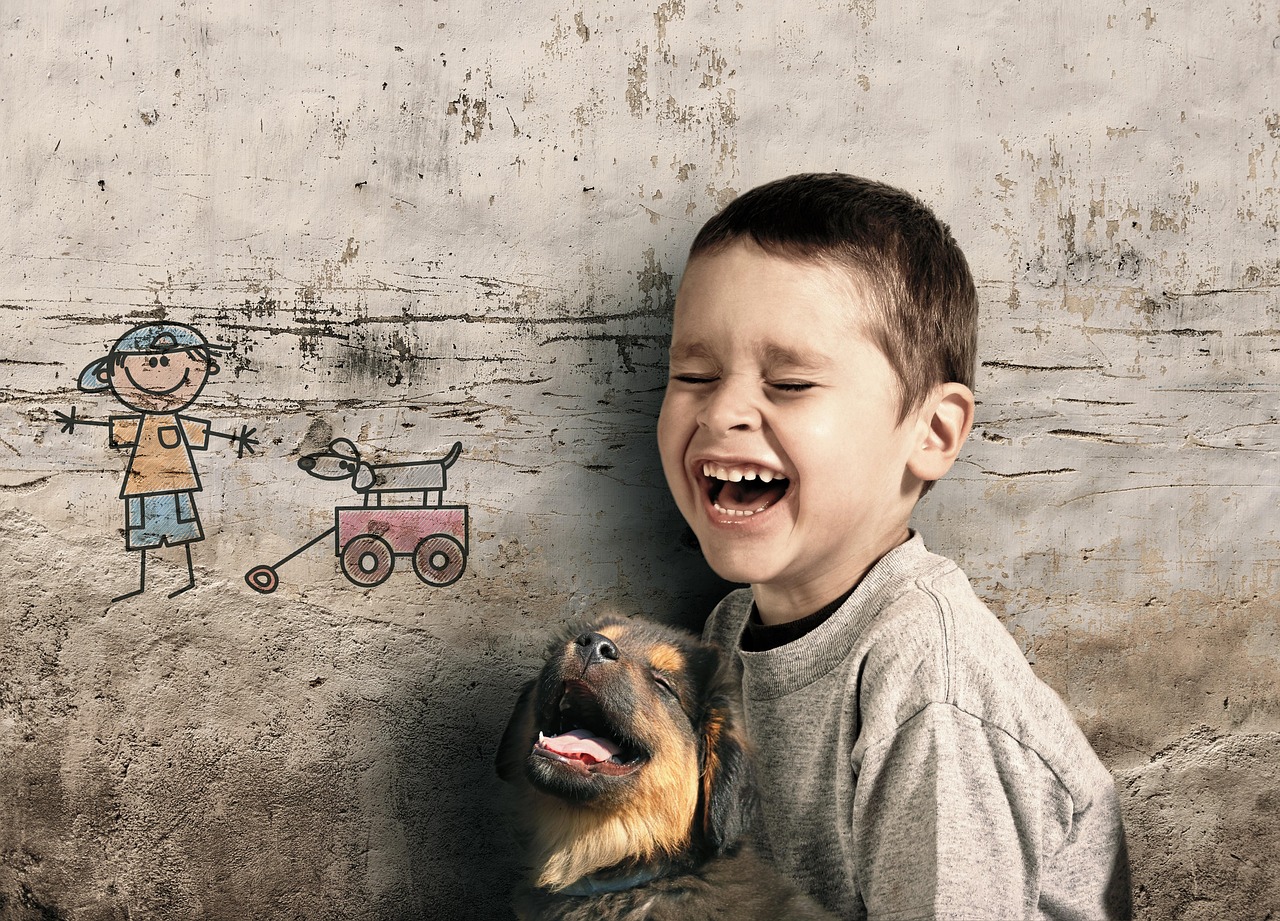

Managing Energy Levels When Dogs and Children Play Together
Socializing dogs with children requires careful attention to the energy levels of both parties involved. Dogs exhibit various energy levels, which can fluctuate depending on many factors, including breed, age, and temperament. Similarly, children have varying levels of energy and excitement, which can sometimes be overwhelming for dogs. Observing the dog’s body language is crucial. Look for signs of stress, such as barking excessively, growling, or showing signs of withdrawal. It is essential to intervene before these signals escalate into aggressive behavior. Preparing both dogs and children before playtime helps in fostering a safer environment. Teach children how to approach a dog gently and respect its personal space. Moreover, using calming techniques for dogs, such as working on basic commands, helps in regulating their energy. Set up supervised play dates where both the dog and children can engage in activities that promote positive interactions. Consider implementing structured play, which can be efficient in managing energy levels. Finally, offering breaks to both dogs and children is important, allowing them to recharge and preventing overstimulation.
One effective way to ensure that energy levels remain balanced involves tire out the dog before playtime begins. Engage the dog in a walking session or some play time with their favorite toy, ensuring that they expend some of their pent-up energy. This simple step can make a significant difference in their behavior. A tired dog is typically calmer, making it easier for children to engage without triggering the dog’s excitement. Children, too, should have a chance to cool off during play activities. Therefore, planning structured breaks that allows everyone to relax is essential. During these breaks, provide water for both the dog and children. Additionally, letting the dog rest in a quiet area helps to reinforce the importance of personal space. Keep in mind that not every dog will exhibit the same energy level when playing with children. Some breeds are inherently more excitable and may need additional training or management strategies. This is where having a plan in place can help find ways to manage playtime dynamics effectively. Consider consulting a professional dog trainer for tailored advice based on your unique situation.
Understanding Dog and Child Dynamics
The interaction between dogs and children can be lively and unpredictable. Understanding their dynamics effectively helps in managing energy levels and ensuring safety for everyone involved. Children often express excitement through loud noises and rapid movements, which can alarm a dog not used to such energy. Introducing the dog to gentle voices and calm gestures can pave the way for more positive interactions. It is essential to teach children appropriate ways to handle interactions with dogs, emphasizing respect and patience. Encourage children to approach dogs when calm and give them treats to form a positive association. Use a short and relaxing leash if necessary; this not only gives you control but also protects both parties. Moreover, watching for cues from both dogs and children can lead to better interactions. Dogs might need encouragement to approach while kids often don’t recognize when they should slow down their movements. By instilling awareness and mutual respect, you can harmonize their play, reducing potential incidents. Ultimately, creating a safe and controlled environment where both dogs and children can thrive together involves ongoing education and vigilance.
Another vital aspect of managing energy levels during playtime involves selecting appropriate games for both dogs and children. Opting for low-key activities, such as hide-and-seek or gentle fetch, can help maintain stability in energy levels. Set boundaries around the play area that involve familiar toys and items designated for both the dog and child. Toys that promote calm tracking activities stimulate focus and engagement while keeping energy manageable. Besides that, always be prepared with alternative activities for either party in case excitement levels spike unexpectedly. If a game encourages overexcitement, change dynamics or redirect their focus to a calmer activity. Incorporating training sessions as part of playtime can also be beneficial, reinforcing good behaviors while encouraging productive energy release. Use commands like ‘sit’ or ‘stay’ intermittently along with play encourages the dog to think and regulates excitement naturally. Encourage shared activities; this strengthens the bond between the child and dog, creating mutual respect. Such shared experiences foster positive reinforcement, which will serve well in their mutual growth and future interactions. Furthermore, celebrate each achievement together, giving both dog and child a chance to feel proud.
Recognizing Stress Signals
A critical component when managing the dynamics of play between dogs and children is recognizing the signs of stress. Both dogs and children may exhibit unsettling behaviors when overwhelmed or overstimulated. For dogs, common signs include panting, pacing, tucked tails, and lip licking. If the dog shows any of these signs, it’s crucial to pause the interaction and provide calming space. For children, signs of distress may include withdrawing, tantrums, or becoming overly hyperactive. Teaching children to recognize these signals not only ensures their safety but also fosters empathy and understanding towards dogs. Encourage them to communicate anything that feels off during interactions, promoting early prevention of potential issues. In addition, having a designated safe space for both parties to retreat when experiencing stress is essential. For dogs, establishing a specific spot where they can relax will reassure them throughout the chaotic play sessions. Kids can benefit too, as brief alone times help them process their emotions and regain balance. Creating mutual understanding and acknowledging each other’s discomfort helps in nurturing a strong bond of trust between dogs and children.
Incorporating routine playtime into the daily schedule helps establish a predictable environment. Predictability can aid both children and dogs in managing their energy levels, making it easier for them to engage in play without excessive excitement. This is particularly beneficial when integrating scheduled breaks throughout the day. Having routine provides everyone an understanding of what to expect, reducing anxiety. Additionally, during designated playtime sessions, keep both dogs and children engaged in manageable activities that promote both active and passive behaviors. Switching between low-energy and high-energy activities helps to refresh their engagement levels while maintaining overall energy control. Carving out specific times during the day dedicated solely to play helps in minimizing distractions that otherwise could lead to chaotic interactions. Furthermore, using a timer during play can help everyone recognize break moments more efficiently. Engaging in joint slow walks or leisure activities can be fun while also providing opportunities for children to bond with their dogs. Adapting to earlier engagements means promoting a level of balance that keeps both parties happy and ensures peace during their shared playtime.
Creating a Safe Environment
Establishing a safe environment for dogs and children during play is crucial to fostering positive experiences. Create safe zones where children can play without fear of being overwhelmed or frightened by the dog. This can include gated areas or designated rooms within the home that allow dogs and children to interact without accidental harm. Ensure that all play areas are free of hazards, such as sharp objects, toxic plants, or any items that could be dangerous to either party. Additionally, monitoring toy selection carefully is essential. Opt for non-toxic and sturdy toys that can withstand rough play, ensuring that any play remains enjoyable and safe for both. Encouraging children to put away toys afterward teaches responsibility, creating an organized play environment. Moreover, consider enrolling in shared obedience classes, reinforcing proper behavior through guidance. These classes develop social skills for both dogs and kids. Further, always remember that supervision is paramount. Monitoring interactions closely ensures any concerning behavior can be addressed proactively. Overall, with consistent guidelines in place, dogs and children can enjoy their time together immensely, resulting in a happy and healthy dynamic.
In conclusion, managing energy levels when dogs and children play together requires thoughtfulness, awareness, and proactive strategies. Each dog’s unique energy expression and children’s behavior patterns contribute to the overall dynamics during shared playtime. By incorporating these essential tips—such as understanding their interactions, setting structured playdates, recognizing stress signals, and maintaining a safe environment—everyone can enjoy their time together safely. Introduce fulfilling routines that keep energy in check, encouraging both dogs and children to thrive. Moreover, open communication when any discomfort arises facilitates immediate intervention, nurturing empathy and mutual respect. Ultimately, promoting enjoyable experiences for both parties cultivates lifelong bonds characterized by trust and companionship. Preparing for play and recognizing when to step back will foster happier interactions. Engaging creativity within safe parameters should encourage meaningful connections through enjoyable activities. With time, both dogs and children can learn to engage harmoniously, allowing their shared adventures to be filled with thrilling moments of joy and camaraderie. Navigate guidance from professionals when needed; support can enhance the growth opportunities available for both. As they learn together, the possibilities for fun are endless and can establish a lasting partnership.