
Legal Consequences of Neglecting Dog Training Responsibilities
The responsibilities of dog ownership encompass various aspects, particularly training and behavior management. When a pet owner fails to adequately train their dog, the legal implications can be significant. Liability claims arising from a poorly trained dog can lead to serious considerations, including the specifics of the situation and applicable laws. Non-diligent owners can be held accountable for damages caused by their dogs, especially if they fail to prevent injuries. It becomes essential for dog owners to understand their liabilities according to the local dog laws, which generally require owners to control their pets effectively. Moreover, negligence can be characterized by a lack of training, leading to dangerous behaviors, aggressive actions, or unpredictable tendencies in dogs. Such circumstances can lead to civil lawsuits and, in some cases, even criminal charges. Owners might face financial damages that must be compensated to injured parties, along with potential medical expenses for those who suffer injuries. Therefore, prioritizing dog training is not only a responsibility but also a crucial step in ensuring public safety and minimizing legal issues.
Legal consequences related to dog behavior liability can encompass several outcomes. If an untrained dog bites another person or another dog, the owner may often be held liable under the doctrine of strict liability in many jurisdictions. This means that the owner can face lawsuits regardless of whether they were negligent or if the dog had shown any prior aggressive behavior. In areas where such laws are enforced, owners can be financially responsible for medical bills, lost wages, and pain and suffering caused to the injured party. Courts may consider various factors when determining liability, including the owner’s previous knowledge of the dog’s behavior. Additionally, in cases where a dog attacks, the defense may show a lack of previous incidents to argue that the owner is not culpable. However, once an owner knows their dog has aggressive tendencies, they must take preventive measures. This includes refraining from exposing others to danger. Continually ignoring training recommendations could result in a judgment against the owner, making it crucial to be proactive in behavior and training aspects.
Insurance companies also play a vital role regarding dog liability. Most homeowners’ policies provide coverage for dog bite incidents; however, failures to train dogs adequately can complicate claims. Insurance providers often investigate incidents to determine whether the homeowner exercised reasonable care towards their pet’s training. If negligence is established, there may be grounds for coverage denial. In some cases, specific dog breeds are excluded from traditional homeowners’ insurance policies due to their perceived risks. Therefore, it’s essential for dog owners to understand their policies thoroughly. They might face elevated premiums or even loss of coverage entirely if they fail to have proper liability training for their dogs. Proactive training programs can save owners from financial burdens and ensure better dog behavior while reducing overall risks of accidents that could lead to liability claims. Pet owners should actively communicate with their insurance agents for clarity regarding dog-related incidents and their potential consequences. Having adequate coverage and established preventive practices can protect both the owner and the dog from unforeseen legal ramifications.
In addition to financial liabilities, the neglect of proper dog training can result in emotional distress for both the owner and the victim. Being involved in a dog attack not only impacts the victim physically but can also affect their mental health, leading to lasting trauma. Owners may experience guilt or anxiety as a result of the incident, leading to further personal consequences. Victims of dog attacks often seek psychological counseling, which the owner may be liable to cover if deemed responsible. Therefore, investing time and resources in proper dog training isn’t just an issue of obedience; it is an important part of protecting the mental well-being of everyone involved. Community support systems, like neighborhood dog training classes, can help build a bridge of understanding regarding dog behavior. Engaging in such classes can create a safer environment where individuals understand canine behavior better. This understanding could prevent incidents before they escalate into legal battles. The emotional and psychological implications of dog behavior highlight just how essential responsible ownership is in all aspects of care.
Mitigating Risks through Training
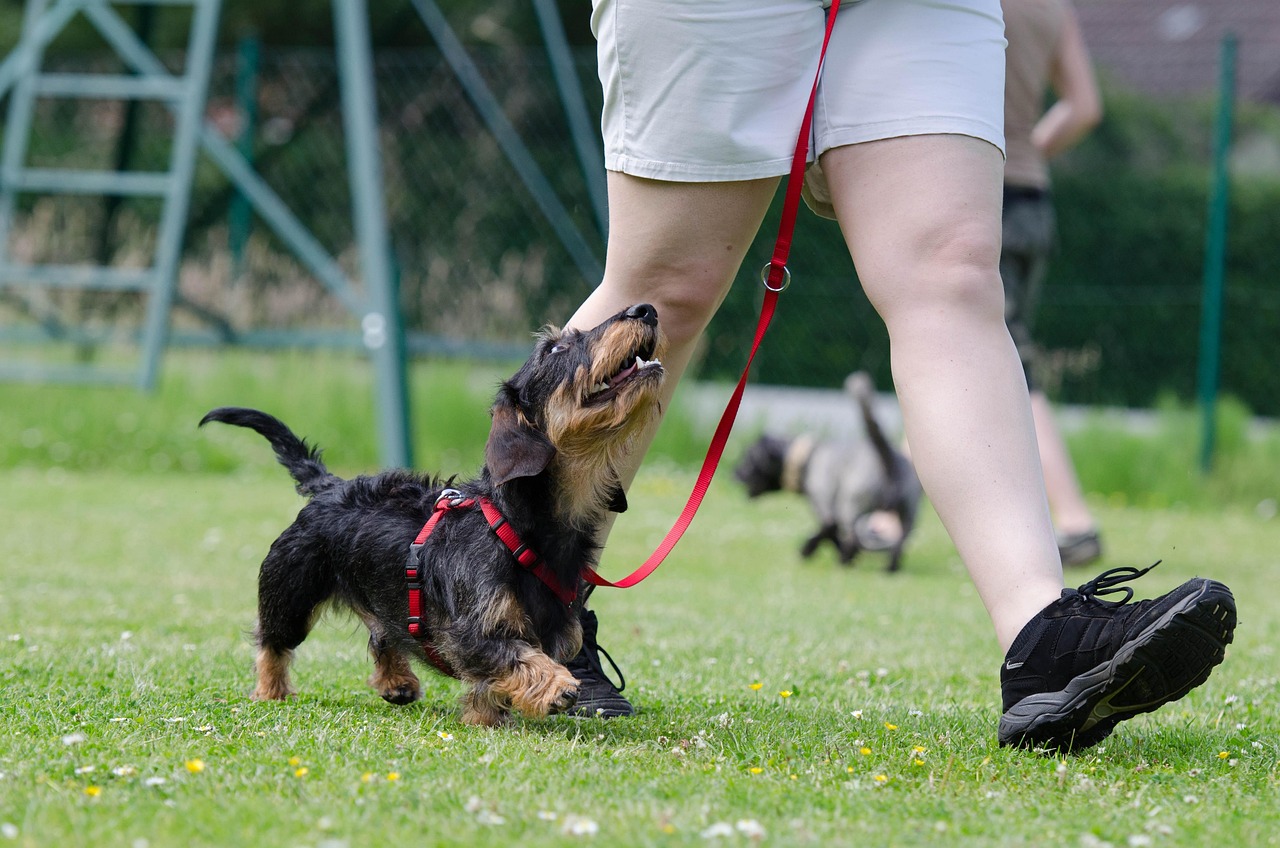
Mitigating the risks associated with poor dog training requires dedication and commitment from the owner. Enrolling in professional training programs can enhance the dog’s obedience while improving owner knowledge on effective handling techniques. Research indicates that dogs exhibiting problematic behaviors typically result from inadequate training or inconsistent commands from owners. When dog owners acknowledge their responsibility, they promote better behavior in their pets. Understanding the signs of aggression, fear, or anxiety is crucial to preventing incidents that could lead to liability claims. Furthermore, creating a structured training routine can yield positive outcomes for both the dog and the owner. Consistent practice and engagements in socialization with other dogs can foster a much more pleasant environment for pets. Additionally, regular behavior assessments allow owners to receive feedback on their training efforts. Making training a priority ultimately results in less risk for accidents. Not only does this benefit the dog-owner relationship, but it also safeguards the well-being of the larger community. By taking such proactive steps, dog owners can contribute to a safer society while minimizing the occurrence of legal consequences arising from dog behavior.
Another crucial aspect regarding dog training responsibility is understanding local laws governing pet ownership. Different jurisdictions have their own regulations that outline the required training and behaviors expected from dog owners. Familiarizing oneself with these laws can save owners from potential legal troubles. Owners living in urban environments may face stricter regulations compared to those in rural areas. This often encompasses licensing, leash laws, and specific breed restrictions, emphasizing the need for responsible dog ownership. Owners should educate themselves on leash laws since failing to follow them may lead to fines or even liability claims if their dog causes harm. Similarly, failed training efforts leading to aggressive behaviors could place the owner in violation of local animal control laws, increasing potential punishments. Such understanding benefits not only the owner and their dog but also presents safety assurances for community members. Violation of these regulations can deeply affect an owner’s right to keep their pet. Ultimately, aligning behavior with regulatory requirements solidifies the importance of diligent dog training and ownership compliance.
In conclusion, the legal consequences associated with neglecting dog training responsibilities are significant and can impact the lives of many. Owners must recognize their role in society by ensuring their pets are well-behaved and controlled. This primarily involves participating in responsible training to prevent future liability issues. Ignoring these responsibilities places not only themselves but also their community at risk for unfortunate incidents. The heightened awareness surrounding dog training can help educate both new and seasoned dog owners about the importance of proper behavior management. By actively engaging in the training process, owners demonstrate their commitment to their pets, their rights, and the safety of others. It calls for a collaborative approach, fostering better relationships between humans and canines alike. The proactive measures taken, including training, consistent reinforcement, and understanding laws, serve as the foundation for responsible dog ownership. Committing to training can prevent accidents, minimize liabilities, and create a safer environment. Thus, every dog owner must prioritize training as a fundamental aspect of their responsibilities and the overall welfare of the community.