
The Role of Gradual Desensitization in Dog Socialization
Separation anxiety in dogs can severely affect their socialization process, affecting their temperament and overall behavior. Gradual desensitization is a proven method to help dogs overcome this anxiety. By slowly decreasing their reliance on their owners, we can build confidence in dogs, making them more adaptable. The first step is to make them comfortable in their environment without constant supervision. Begin by establishing a space where your dog feels secure away from you. Use engaging toys or comfort items to lessen their anxiety. Gradually introduce short departures, ensuring your dog remains relaxed. Over time, these short separations can be extended, enabling dogs to adjust. It’s essential to monitor their reaction closely, allowing for adjustments in the approach based on their comfort level. This method hinges on consistency and patience. Remember, the goal is to make the dog’s experience positive rather than stressful. Adapting the pace ensures successful progress without overwhelming your pet during training. As dogs grow confident with short separations, longer durations can be introduced, eventually facilitating better social interaction.
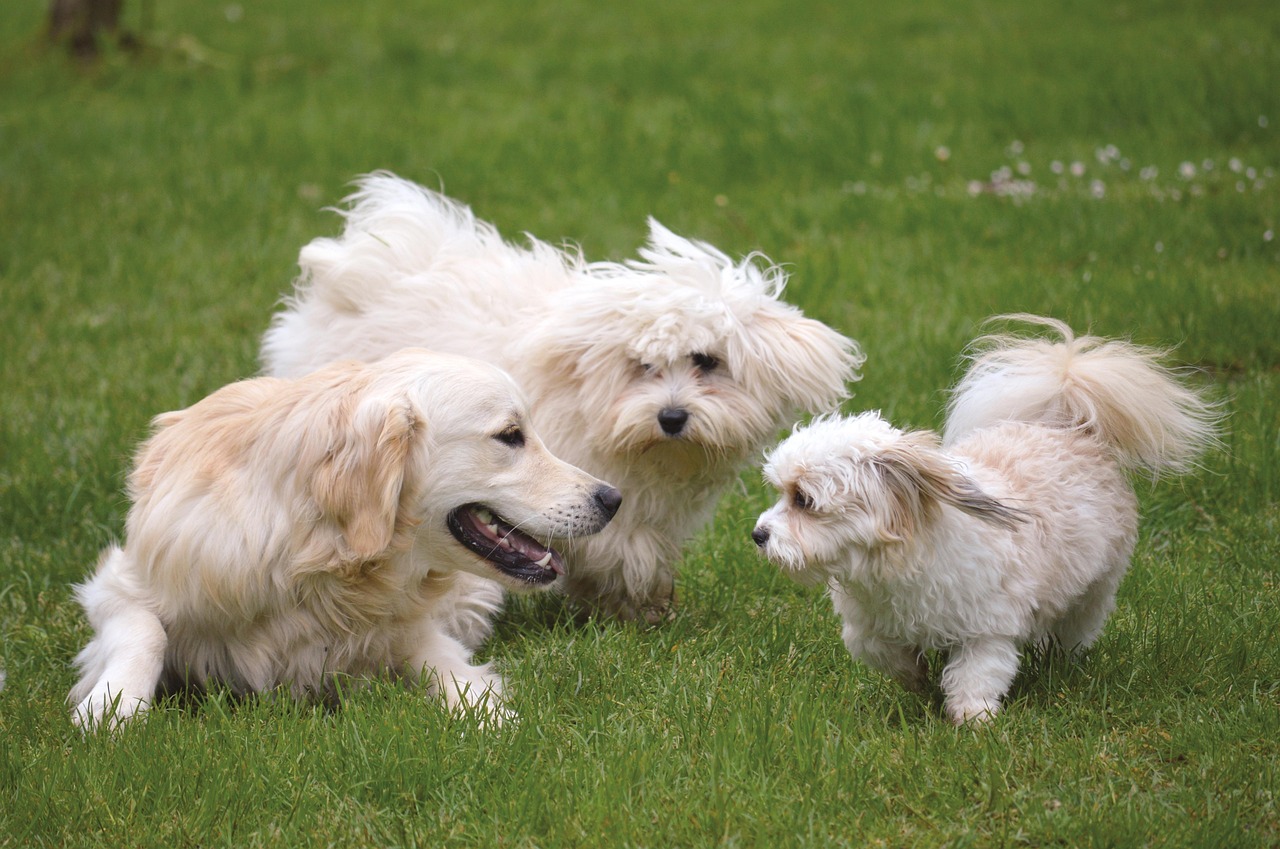
Understanding the signs of separation anxiety is critical for a successful training strategy. Common indicators include barking, destructiveness, or excessive drooling when left alone. Awareness of these signs allows for early interventions, emphasizing positive training techniques. Start by creating a routine for your dog, establishing a predictable environment. This includes designated times for play, feeding, and rest, reducing uncertainty. Furthermore, interacting with other dogs can enhance the social experience, providing exposure and practice in various situations. Incorporating regular interactions with friendly dogs can help alleviate anxiety over time. Gradual introductions should occur in neutral locations initially. This method lessens territorial behavior while promoting healthy social skills. Building a strong bond with your dog also plays a vital role. Continuous engagement through training and play ensures that your dog feels secure in its relationship with you. Adequate socialization skills not only help alleviating separation anxiety but also promote better interactions with other pets and people. Consider enrolling your dog in training classes or organized playgroups, furthering their exposure to diverse environments and experiences while reinforcing positive behavior through gradual desensitization.
Positive Reinforcement Techniques
Incorporating positive reinforcement during training sessions encourages desired behaviors. Reward your dog with treats, praise, or playtime when they exhibit calmness during separations, reinforcing this positive association. Creating a safe space equipped with their favorite items fosters security, allowing them to relax when you are not present. This space should be comfortable and inviting, with toys and blankets, immersing them in a soothing atmosphere. Frequent practice of being apart, while ensuring consistent rewards, establishes a routine that highlights success. Regular short departures followed by enthusiastic praise will inform the dog that leaving is acceptable. As the dog grows accustomed to the idea, you’ll notice improved confidence levels. Every successful separation reinforces their belief that you will return, ultimately leading to increased independence. Be mindful of your own emotions during training. Dogs are perceptive and can sense anxiety or discomfort in their owners. Demonstrating calmness during departures sends a message of reassurance. Practicing gradual desensitization and reinforcing positive behaviors lay the groundwork for effective socialization, fostering a well-rounded dog who can thrive in various scenarios and environments.
The benefits of socialization stretch beyond merely alleviating separation anxiety; they also contribute to a well-adjusted pet. Dogs that have been gradually desensitized to short separations generally display improved behaviors in unfamiliar environments. They are more likely to greet new people and other dogs with enthusiasm instead of fear or aggression. Increased confidence enables them to navigate different settings positively, facilitating enjoyable outings. Early and consistent socialization experiences can mitigate behavioral issues usually associated with anxiety. The behavioral progress dogs exhibit signifies the paramount need for early intervention and continued training. Furthermore, well-socialized dogs demonstrate lesser tendencies to develop generalized fears or phobias, leading to a healthier relationship with their environment. Regular exposure to various stimuli can significantly reduce fear responses over time. This ongoing assurance ensures that the dog learns to feel confident in new situations. Encouraging exploration while minimizing panic teaches dogs that uncharted territories need not be daunting. Overall, the role of gradual desensitization in dog socialization profoundly impacts their long-term well-being, ensuring happy and easier interactions in the complex world around them.
Tips for Successful Desensitization
Implementing a gradual desensitization plan involves numerous crucial components to ensure effectiveness. Setting realistic goals is essential; start small and then increase the time incrementally. Regularly track your dog’s progress to identify patterns and adjust your techniques accordingly. Ensure that the practice environment is calm and predictable so that your dog knows what to expect. Additionally, consider the context before leaving; reduce distractions that may induce heightened anxiety. Offering mental stimulation through puzzle toys before leaving can help tire out your dog, making it easier for them to relax during your absence. Always keep outings brief to prevent overwhelming your pet. Make a habit of returning before your dog shows anxiety symptoms. Gradually extending time apart builds trust, relieving tension for both you and your dog. This method helps solidify the understanding that you will return after each separation. Consistency is key, reinforcing that their feelings are valid and manageable while also helping them learn the joy of independence. Following these steps will build a solid foundation for your dog’s well-being and social adaptability.
Monitoring your dog’s progress throughout the process is essential to understanding their needs better. Each dog’s journey varies; while some may adjust swiftly, others might need more time. Observing their behavior during training sessions will provide you insights into their emotional state. Positive changes might include decreased anxiety during waiting periods or exploration of their designated safe space. Be patient and flexible during this process, adapting your approach when necessary. Consulting with a professional dog trainer or animal behaviorist can provide invaluable guidance tailored to your dog’s specific anxieties. They can adapt training plans to set achievable milestones while ensuring the safety and comfort of your dog. Joining support groups offers additional encouragement, helping share experiences, tips, and strategies with other pet owners facing similar challenges. Building a support network fosters community engagement, creating an avenue for consistent practice among peers. Remember that this process may take time, but with dedication and effort, gradual desensitization can ultimately lead to a happier and more confident dog. Fostering independence through this method strengthens the entire relationship between you and your dog, paving the way for healthy growth and exposure.
Conclusion: Building Confidence and Independence
Gradual desensitization is an effective approach when addressing separation anxiety in dogs while contributing to their socialization skills. By implementing strategies to gradually acclimate your dog to intermittent separations, you promote their confidence and diminish anxiety triggers. A well-socialized dog is better equipped to interact positively with unfamiliar situations, leading to improved behavior in diverse environments. Each step of this process fosters resilience, enabling your dog to experience a sense of safety and independence in their interactions. The journey may be challenging at times, but the rewards are worth the effort. Ultimately, investing time and energy in these training techniques will lead to lasting benefits for your dog’s mental health and overall happiness. An anxiety-free dog can enjoy social outings and adventures without undue stress, creating enjoyable experiences for them and their owners alike. Consistent reinforcement and encouraging progress play vital roles in solidifying these behavioral changes. Regular practice will ensure lasting success, creating confident canines and facilitating healthier relationships. Therefore, prioritize gradual desensitization as a cornerstone in helping your dog navigate the world with confidence and joy.
Additional Resources
For those seeking to enhance their understanding of dog socialization techniques, there are numerous resources available. Books by professionals on dog behavior can provide deeper insights into methodologies effective in easing anxiety. Engaging online platforms, including forums and social media groups, can help connect you with experienced pet owners who have successfully navigated similar challenges. Websites dedicated to canine behavior provide informative articles, videos, and tips on training strategies, offering easily accessible guidance for dog owners. Additionally, local workshops or training classes often conducted by certified trainers can be an excellent resource. Participating in these workshops allows for hands-on experience with professional advice on tackling separation anxiety with effective methods. Furthermore, exploring tools such as calming products designed specifically for dog anxiety may make a significant difference in your pet’s comfort level. Thundershirts, anxiety wraps, and pheromone diffusers are some examples to consider. In conclusion, with the right resources and determination, you can foster a fruitful journey toward improving your dog’s socialization skills and diminish their separation anxiety effectively.