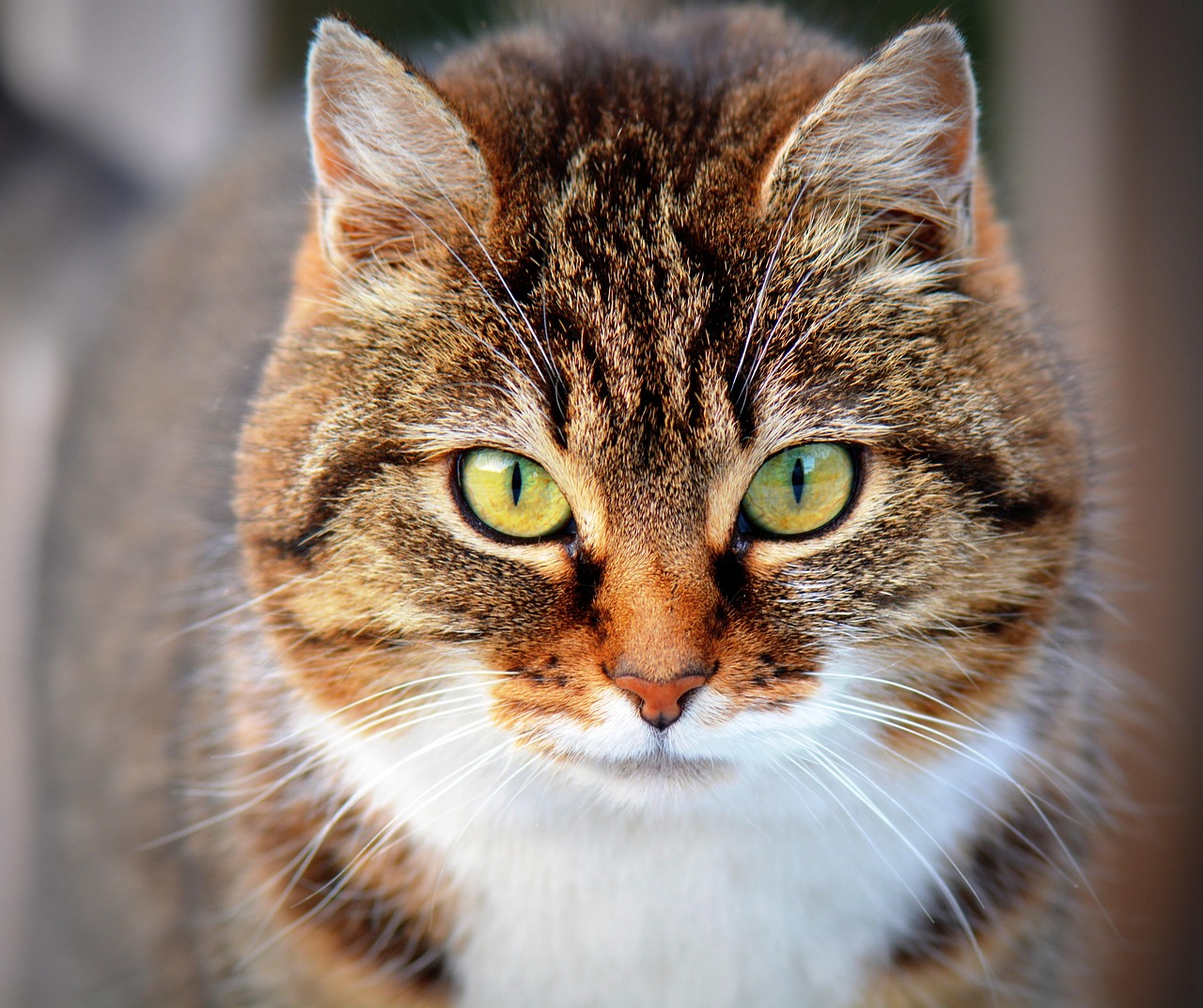

Preventing Parasites: Protecting Senior Cats’ Skin
Senior cats, much like their human counterparts, require special attention as they grow older. One critical aspect of their health is skin care, particularly when it comes to preventing parasites that can compromise their well-being. Parasites such as fleas, ticks, and mites are common in many cats but can pose a more significant threat to the skin health of senior felines. As cats age, their skin becomes thinner and less elastic, making it more vulnerable to damage from external invaders. Regular check-ups and preventative measures are crucial. Most notably, senior cats may not groom themselves as effectively as younger cats, leading to an increased risk of skin irritations and infections caused by parasites. Therefore, observing and maintaining their skin health creates a critical line of defense. It’s essential to consult with a veterinarian to understand the best parasite prevention strategies tailored to your senior cat’s unique needs. Choosing appropriate treatments can greatly reduce itching and scratching that often lead to secondary skin problems. Whenever exploring options, it is vital to select safe and effective products specifically designed for older cats, ensuring comfort and protection.
Common parasites that affect senior cats include fleas, ticks, and ear mites. Fleas are notorious not just for causing discomfort and irritation but also for transmitting diseases. They can lead to anemia, especially in older cats, whose immune systems may be compromised. It’s imperative to check for fleas regularly and use veterinarian-approved flea prevention treatments tailored for senior cats. Ticks can afflict senior felines as well, and they often harbor dangerous diseases like Lyme disease, which can have serious consequences for older cats. Senior cats might be less enthusiastic about grooming themselves, so regular checks by owners can help catch these parasites early. Checking ears for signs of ear mites will help prevent further skin complications. Inspect your senior cat’s skin, paying attention to any unusual bumps, redness, or scabbing, as these could indicate parasitic infestations. To effectively manage and prevent these issues, communicate openly with your veterinarian about possibly integrating both topical and oral treatments. Flea prevention is often best achieved through a combination of methods tailored to the unique needs of senior felines, thus enhancing their overall skin health.
Nutritional Support for Healthy Skin
Nutrition plays a pivotal role in maintaining your senior cat’s skin health, especially in combating parasite infestations. A balanced diet rich in essential fatty acids, vitamins, and minerals can significantly enhance skin integrity. Ensure that your senior cat’s diet includes omega-3 and omega-6 fatty acids, commonly found in fish oil and flaxseed oil, as these promote a healthy, hydrated skin barrier. Additionally, amino acids from high-quality protein sources are vital for skin repair and resilience against parasites. Look for cat food formulated with senior cats in mind, as these blends often include nutrients tailored to their specific health needs, promoting healthy skin. Providing plenty of fresh water is also crucial for maintaining skin hydration. Dry skin can lead to an increased likelihood of scratches and irritations, which can invite parasites. Supplementing their diet with wet food can help provide extra moisture. Be mindful of allergies, as food allergies can exacerbate skin irritations. Consult with your vet about the best diet options, as healthy skin is less susceptible to parasite-related issues, ensuring your senior cat remains happy and comfortable.
Grooming is an essential aspect of your senior cat’s skin care routine, especially when it comes to parasite prevention. Regular grooming helps remove loose fur, dirt, and debris, which can harbor parasites. It also stimulates natural oil production in the skin, ensuring optimal hydration and a robust skin barrier. Cats may become less adept at grooming themselves as they age, necessitating more hands-on care from their owners. Using a gentle brush or comb can help maintain a clean and healthy coat while providing a bonding experience between you and your feline friend. Be cautious when grooming to watch for any signs of skin irritations or parasites. In addition to physical grooming, introducing regular bathing with veterinarian-recommended shampoos can enhance overall skin health. However, be mindful not to over-bathe, as this can strip natural oils and lead to dry skin. Aim for monthly baths, particularly during flea-prone seasons. Always ensure that the bathing products used are suitable for senior cats, as older cats may have sensitive skin. By prioritizing grooming, you can significantly reduce the risk of skin issues associated with parasites while promoting a cleaner, healthier cat.
Environmental Safety and Hygiene
Maintaining a safe and clean environment for your senior cat is critical in preventing parasite infestations. Regularly clean your home, focusing on areas where your cat spends the most time. Vacuuming carpets and upholstery helps remove flea eggs and larvae from your living space. Additionally, washing your cat’s bedding and toys can eliminate any residual parasites or eggs that might be lurking. Using pet-safe cleaning products can ensure that your home remains a safe haven for your senior feline. Consider treating your home with environmentally friendly but effective flea deterrent sprays, particularly during seasons when fleas are most active. Outdoor access can increase the risk of parasites, so monitor your senior cat’s time outside closely. Keeping outdoor spaces clear of debris and clutter diminishes shelters for ticks and other parasites. Providing shaded areas can also help deter ticks, as they prefer humid, less exposed environments. Furthermore, trimming shrubberies and keeping the lawn groomed prevents ticks from being in close proximity to your pet. These efforts can significantly reduce the threat of parasites and contribute positively to your senior cat’s skin health.
Regular veterinary check-ups form a crucial piece of the puzzle when it comes to the skin health of senior cats. Vets can conduct thorough skin examinations, checking for irritations, infections, and signs of parasites. Early detection is vital; thus, it is essential to establish an ongoing relationship with your veterinarian, focusing on preventive care and tailored advice specific to your older feline. During annual visits, discuss the possibility of parasite testing to ensure that any lurking bodily invaders are promptly addressed. Vaccinations may be adapted to suit your senior cat’s needs, safeguarding them against potential skin-related health issues. If treated efficiently, skin conditions can improve significantly, reducing the risk of further complications that could arise from neglected skin health. The veterinarian might also recommend specific treatments or medications that can bolster skin strength and resilience against parasites. Feel free to ask questions about flea or tick prevention to gain insights into the latest prevention methodologies. Keeping your senior cat’s health on track ensures that they remain comfortable and happy during their golden years, and proactive veterinary involvement is the key to achieving that.
Signs of Skin Issues in Senior Cats
Staying vigilant for signs of skin issues is essential for guardians of senior cats. Changes in behavior, such as excessive scratching, biting, or licking, may indicate underlying skin conditions often due to parasites. Skin irritations, inflammation, and bald spots are significant signs of trouble and may warrant immediate veterinary attention. Additionally, watch for changes in their coat, such as dullness, excessive shedding, or unusual odors, all of which may be linked to skin health. Allergies can also precipitate skin issues, so be attentive to other symptoms like sneezing, watery eyes, or gastrointestinal upset. Another indicator to consider is scabs or crusty patches on the skin, as these could be a sign of a parasitic infection or skin infection that necessitates treatment. Keeping a detailed record of any changes observed can be beneficial when discussing concerns with your veterinarian. Prompt attention to skin issues can prevent minor irritations from developing into crises that could affect their overall health. Ultimately, your senior cat’s comfort and happiness depend significantly on their skin health and immediate interventions when any abnormalities arise.
Creating a supportive community around your senior cat’s skin health is imperative for optimal well-being. Engaging with fellow pet owners through online forums or local meet-up groups can provide valuable insights and tips on managing skin care for older cats. Sharing experiences and solutions fosters a culture of awareness and support, ultimately benefiting each cat involved. You can also inquire with your veterinarian about community resources that might be available. For instance, your vet may offer workshops on pet care that includes skin health, diet considerations, and parasite prevention. Furthermore, local shelters might provide workshops aimed at promoting healthy practices for pet caretakers. Connecting with pet care professionals, groomers who specialize in senior cats, or even pet nutritionists can significantly enhance your knowledge. Forming relationships within your pet’s community ensures you are not alone in navigating the unique challenges senior cat care presents. Together, everyone can promote healthier, safer environments for their furry companions, focusing on the well-being and happiness of the beloved senior cats in their lives.