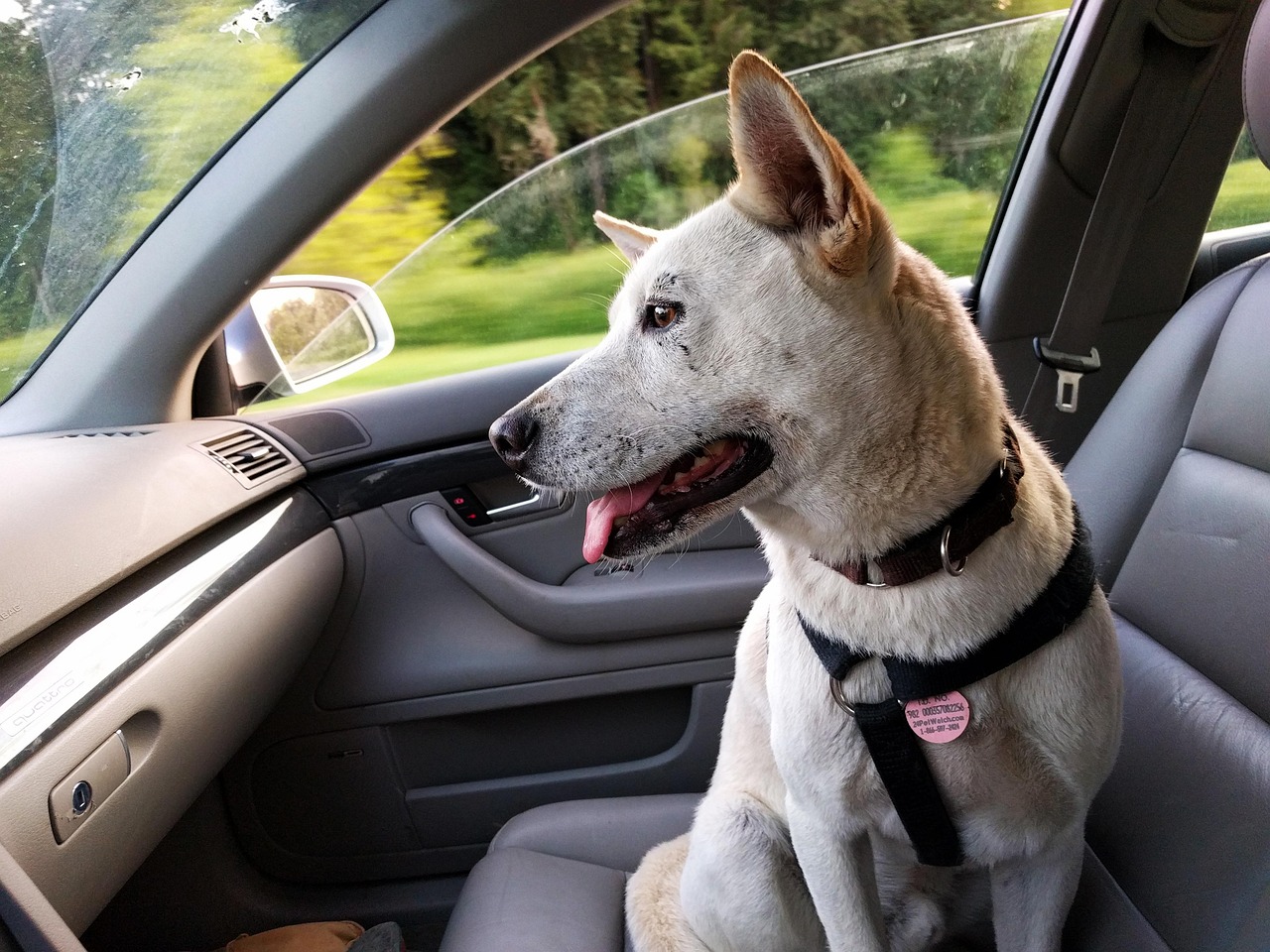

How to Create a Routine for Dogs in an Unfamiliar Space
Preparing your dog for a new environment requires careful planning. Establishing a routine can make a significant difference in how they adapt. Start by familiarizing your dog with the new surroundings. Walk them around the area to help them understand their environment. This exploration can reduce anxiety and build confidence. Next, maintain some consistency with their existing routine. Feed them at the same times as usual to provide a sense of security. Incorporate familiar items like their bed or favorite toys into the space. This can create a comforting atmosphere. Additionally, establish designated areas in the new space for sleeping, eating, and play. Having specific zones helps your dog know where they belong. Positive reinforcement during the adjustment phase is essential. Reward your dog with treats for exploring and behaving well. Finally, ensure regular bathroom breaks, as this can be challenging in a new place. Monitor their reactions and make adjustments as necessary, giving them time. Patience is crucial during this transition, allowing your dog to adapt at their own pace. Soon, they will feel more at home in their unfamiliar space.
Once your dog starts getting comfortable in their new environment, consistency remains vital. Recreating their typical schedule can ease their anxiety. For instance, if your dog is used to morning walks, keep this practice alive. Regular exercise is essential for their mental and physical health, so stick to those routines. Familiar sounds and smells will help them feel connected. Carry items like their blanket or toys from home, making those comforting scents ever-present. Create a structured training routine that utilizes familiar commands. Reinforcing training can strengthen your bond while providing familiar cues. Furthermore, frequent breaks in the new environment are critical. Taking them out every few hours helps with their adjustment. Always enhance the experience with positive reinforcement, showing them love and care. Gradually increasing their outdoor time can boost their confidence. Make trips short initially, expanding exposure as they acclimatize. Encourage interaction with the environment, assisting them in overcoming fears. This process allows your dog to engage in exploration while maintaining a sense of safety. Eventually, your dog will thrive in their new space with consistency, understanding their routine.
Creating Comfort Zones
Designating comfort zones within the unfamiliar environment is essential for your dog’s adjustment. Begin by choosing a quiet area where your dog can retreat. This space should be away from too much foot traffic or noise, ensuring it remains calm. Furnish this area with their beloved bed or a cozy blanket to encourage relaxation. Familiar smells are comforting, so introduce items from home. Include their favorite toys or items with their scent to promote a sense of security. Make this zone a pleasant space by using calming fragrances. Essential oils, such as lavender, can help foster a serene ambiance while being dog-safe. Encourage your dog to spend time in this comfort zone to reinforce its importance. Create a routine that allows them to retreat here without being disturbed. Positive associations make a difference, so reward your dog when they use this space. Adding a treat or a calming chew toy can further encourage this behavior. Over time, this zone will become a safe haven for your dog, helping them feel secure while adjusting to their surroundings. Also, ensure that other pets respect this space.
Adjusting to a new space also means being mindful of your dog’s interactions with new people and animals. Initially, limit important introductions to avoid overwhelming them. This helps prevent undue stress and anxiety. Sequentially introduce them to others, allowing for a gradual adjustment. Look for cues from your dog, noting their comfort level. A calm pet signals readiness to meet new people or animals, which promotes a smooth transition. Supervise interactions with new pets to ensure compatibility. You can also create playdates to foster positive relationships when your dog seems more confident. Similarly, varying the environment can prevent boredom, promoting a sense of adventure. Engage your dog in brief trips around the area, gradually introducing them to parks or local attractions. This way, they can explore while you maintain control over their experiences. Always prioritize positive engagement with the new environment. Use treats or encouraging commands to foster a positive atmosphere during these excursions. Your dog’s adaptability grows as they face new experiences alongside you. This incremental exploration solidifies their bond with you and the new space, culminating in a positive experience.
Maintaining Socialization and Mental Stimulation
Keeping your dog socially engaged is crucial, especially in a new environment. Schedule regular playdates with familiar dogs to foster positive interactions. These gatherings can provide a sense of normalcy for your dog while also encouraging friendly behavior. Sign up for local obedience classes to help your dog socialize with new dogs and people safely. This can rekindle their confidence in a structured setting. Additionally, engaging activities are important for mental stimulation. Schedule play sessions with interactive toys or puzzle games, keeping their minds active. It prevents irritability and boredom, which often arises when new changes occur. Taking short trips to new parks or dog-friendly establishments can allow them to meet new friends. Each adventure should remain a pleasant experience, rewarding them for positive behavior. Explore different environments gradually, allowing your dog to become accustomed to each new place. Variety benefits dogs significantly, promoting exploration and confidence. Over time, their adaptability improves, and they’ll become comfortable in various settings. This ensures a happy, well-rounded dog capable of handling changes without distress.
Another key aspect of preparing your dog for new environments is establishing safety protocols. Prioritize your dog’s safety by ensuring they are familiar with the space. Before allowing them to roam freely, dog-proof the area by removing hazards. Keep dangerous substances, such as chemicals or small objects, out of reach, especially in unfamiliar settings. Additionally, ensure that the area is securely fenced in to prevent unexpected escapes. Safety should extend beyond the home and into surrounding areas. Use a well-fitting harness and leash during outings to maintain control. Also, invest in a sturdy ID tag with your contact information to enhance safety measures. In case of separation, this can be a lifesaver. Regular collar checks and updates to tags ensure your dog is always identifiable. Understand that accidents may happen during the adjustment phase, especially concerning bathroom breaks. Train them to recognize bathroom areas in the new setting through consistent rewards. A diligent approach to safety makes the transition smoother. By prioritizing your dog’s safety and comfort, both physical and emotional, you create a supportive environment where they can thrive.
Evaluating and Adjusting the Routine
As your dog settles into the new environment, evaluating their routine remains crucial. Observe behavioral changes and note any signs of discomfort or anxiety. Dogs often communicate through their behavior, so attention to these cues can guide necessary adjustments. For instance, if your dog seems more anxious during specific times, reassess their routine. Alter activities, increasing or reducing them based on what your dog seems to enjoy. These transitions can involve scheduling more playtime or longer walks to help manage energy levels. Ensure that the routine stays flexible, allowing changes as your dog grows accustomed to their surroundings. Regular updates to the routine can keep your dog mentally engaged and socially stimulated. Equally important, consider environmental changes like new neighbors or additional pets. Each can affect your dog’s comfort level, requiring further adjustments. Continually analyze how well your dog adapts, being prepared to tweak activities to best suit their needs. Progress monitoring is essential to ensure a successful transition. Ultimately, your involvement and willingness to adapt can significantly enhance your dog’s experience in their unfamiliar space.
In conclusion, successfully preparing your dog for a new environment revolves around routine creation and flexibility. Remember to balance consistency while remaining attentive to your dog’s unique needs. Incorporate familiar items and routines to build a comforting atmosphere. Provide various experiences through outings and social engagements. Creating comfort zones can significantly alleviate anxiety, as they serve as a secure retreat. Establish safety measures to protect your dog from potential hazards in unfamiliar spaces. Evaluation and adjustment based on their reactions ensure a smooth transition for your furry friend. Positive reinforcement throughout the journey enhances confidence, strengthening your bond. Allow your dog time to adapt, respecting their pace. Patience is not just a virtue; it’s an essential component of the adjustment process. By fostering a supportive and responsive environment, you encourage your dog to embrace new experiences positively. The journey may require effort, but the outcome is well worth it, as a happy and adaptable dog is a source of endless joy. Ultimately, as your loyal companion flourishes, you both will create new memories and cherished experiences while embarking on numerous adventures together.