
What Your Cat’s Grooming Style Says About Its Personality
Grooming plays a significant role in the life of cats, serving not only as a hygiene practice but also as a vital behavior that reflects their personality traits. Cats often engage in grooming rituals to maintain their coat and skin health, but the methods and patterns of these behaviors can reveal much about their emotional state and temperament. For instance, a cat that spends a lot of time grooming itself in a meticulous manner may exhibit signs of anxiety or stress. This over-grooming behavior can lead to excessive cleaning and potential grooming-related issues like skin irritations. On the other hand, a cat that occasionally grooms shows confidence and is generally content. Understanding these behaviors can therefore help cat owners identify when something might be wrong with their pet. Additionally, observing a cat’s grooming habits can offer insights into their social characteristics; for example, you may notice they groom other cats to show affection. Recognizing these grooming patterns and what they signify can enhance the bond between pets and their owners, fostering a healthier environment in which both can thrive.
Knowing the different grooming styles of cats allows us to decode their personalities effectively. For instance, some cats groom themselves frequently, which can be viewed as a method of self-soothing. This self-grooming may also be a way to assert their territory by spreading their scent. On the contrary, those who groom less often might just feel secure enough in their environment, leading to a more relaxed demeanor. Grooming is also a social activity among cats; they might groom each other as a gesture of friendship and trust. Cats that groom their humans often display affection or a sense of belonging. Observing when and how often your cat engages in grooming is crucial for detecting behavioral changes. Any sudden increase in grooming could indicate stress or health issues, while a decrease may suggest lethargy or discomfort. Owners should note that each cat is unique, and their grooming patterns will vary based on personality, breed, and environment factors. Thus, careful observation and understanding can help identify what’s normal for your cat, setting the stage for interventions if necessary.
The Role of Socialization in Grooming Behaviors
Socialization significantly influences grooming behaviors in cats, revealing insights about their interactions with humans and other animals. For example, cats raised in multiple-pet households tend to engage in mutual grooming, strengthening bonds with companions. These actions also contribute to their social hierarchy, which plays a crucial role in establishing their place within a household. Cats may groom their owners as a form of acceptance and affection, illustrating a deep level of trust. Furthermore, feline grooming can transition into a display of dominance or submission; dominant cats may groom those they perceive to be lower in rank. Conversely, submissive cats might groom dominant individuals to indicate respect. Also, environmental factors impact their grooming frequency and style, including changes in their living situation or the introduction of new pets. Understanding this social aspect of grooming can provide valuable insights into your cat’s overall behavior and emotional state. Intervention may be needed if social stress is detected in their grooming practices. Observational skills in pet owners can enhance relationships while ensuring their cats feel secure and well-adjusted in their environment.
Breeds and Their Distinct Grooming Habits
Different cat breeds exhibit varying grooming habits influenced by their unique characteristics. For example, Persian cats require more frequent grooming due to their long, luxurious fur. Consequently, they might develop a strong attachment to this grooming routine, reflecting their need for attention and care from their owners. Alternatively, Siamese cats, with their short coats, groom less frequently but often display a playful or sociable demeanor during this process. The grooming characteristics of each breed can reveal their underlying personality traits. Moreover, some breeds are more prone to grooming-related health issues due to their fur type. Long-haired breeds may develop mats or tangles, requiring more diligence from the owner. In contrast, short-haired breeds are generally easier to maintain, often reflecting their more independent nature. Awareness of these differences in grooming behavior is also essential when adopting a new cat. Knowing a breed’s specific grooming needs influences the commitment required for care. Thus, engaging in effective grooming practices ultimately leads to better health and happiness for every cat, regardless of breed.
Beyond the obvious cleanliness benefits, grooming also serves as a core emotional outlet for many cats. It resembles a form of meditation; when cats groom themselves, they are actively managing their stress levels and feelings of comfort. Those who groom in a calculated, deliberate manner often exhibit confidence and assertiveness, showcasing their ability to control their environment. Conversely, if a cat engages in impulsive or obsessive grooming, it may indicate underlying anxiety or distress. An owner should be attentive to changes in grooming style, ensuring that unusual behavior is addressed promptly. Boredom can also drive abnormal grooming patterns; therefore, providing engaging toys or interactive playtime can alleviate these potential issues. Observing the emotional state of a cat could simplify the process of identifying their needs. Recognizing these grooming-related cues can help differentiate between a happy cat and one in distress. Creating an enriching environment tailored to individual needs can empower pets, allowing them to express their unique personalities through grooming and play.
Maintaining a Healthy Grooming Routine
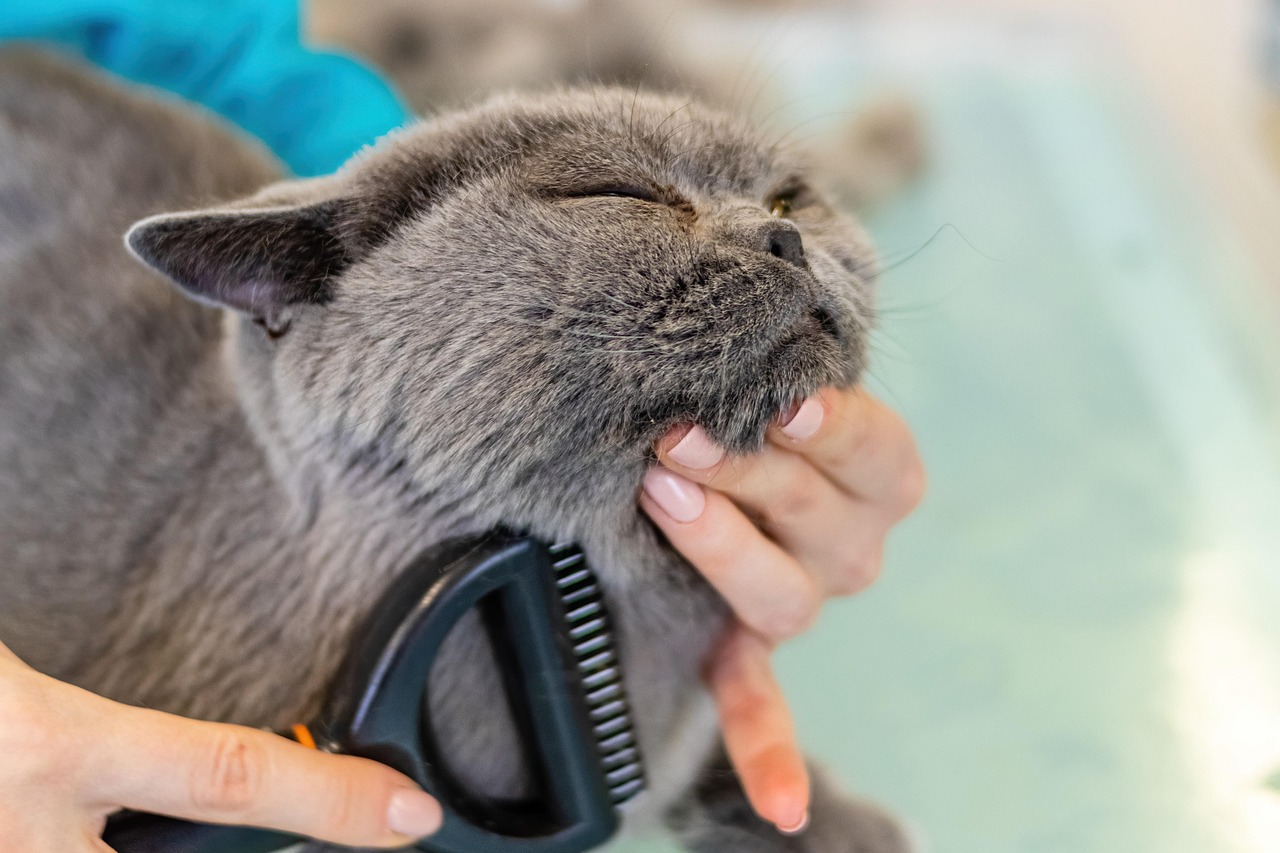
Caring for your cat’s grooming needs goes beyond merely monitoring behaviors; it’s also about establishing a productive routine that promotes wellness. Regular brushing not only helps manage shedding but strengthens the bond between you and your pet, encouraging a joyful grooming experience. Different tools are suited for different fur types; short-haired cats benefit from soft-bristle brushes, while long-haired breeds require combs or slickers to prevent matting. Establishing a routine that considers your cat’s specific grooming needs can alleviate potential stress during these sessions. Regular distributions of treats or rewards during grooming time can also create a positive association, leading to a relaxed demeanor. Alongside brushing, observe your cat’s skin condition, ensuring there are no irritations or abrasions that could cause pain or discomfort. Routine veterinary check-ups are essential for maintaining overall health; veterinary experts can provide tailored recommendations for grooming based on individual needs. Encouraging your cat’s natural grooming habits through gentle brushing reinforces trust, allowing them to express themselves comfortably while fostering a more manageable and familiar environment.
Ultimately, understanding a cat’s grooming behaviors provides valuable insights into their personality and emotional well-being. Consequently, every grooming action serves a purpose, ranging from self-soothing to displaying affection. Monitoring these habits aids in identifying any anxiety or stress that needs addressing. Through attentive observation and engagement, owners can create an environment where their cats feel safe and secure. Regular playtime, interactive toys, and mental engagement can reduce boredom, leading to healthier grooming practices. Owners should also consider each cat’s unique preferences as an individual entity; understanding these aspects fosters emotional security. The bond between cat and owner strengthens as owners seek to improve their pets’ well-being through tailored routines that respect personal grooming styles. Ultimately, with proper attention, every cat owner can enhance the connection with their beloved pet while ensuring their grooming needs are met. Cats communicate through various means, including grooming; recognizing and interpreting these cues is essential in fostering a rewarding relationship. In the end, a well-groomed cat is not just beautiful; it reflects a content and balanced feline.