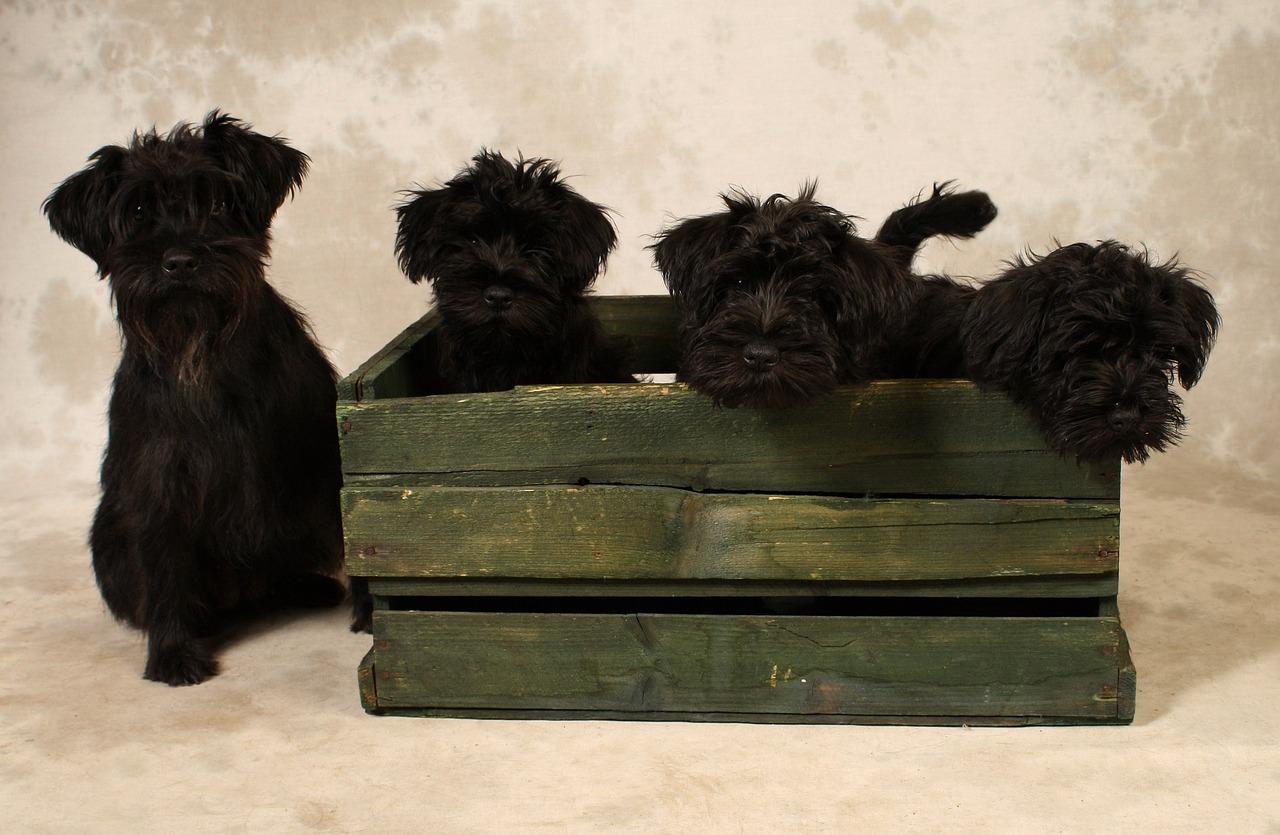

Why Crate Training is Essential for Puppies
Crate training is a fundamental aspect of raising a well-behaved puppy. It provides a sense of security and creates a safe space for your dog. When introduced correctly, a crate can become a sanctuary for your puppy. Using the crate can help in house training, as puppies naturally avoid soiling their sleeping areas. This encourages them to learn to hold their bladder while indoors. Additionally, a crate helps in preventing destructive behaviors when you are not able to supervise your puppy. Over time, it can minimize anxiety and reduce fear. The crate is an excellent tool for traveling, as many dogs feel more comfortable in enclosed spaces. To ensure a positive experience, the crate should be paired with positive reinforcement through treats and praise. Puppies come to associate the crate with a safe place. Start with short periods and gradually increase the time spent inside. This gradual introduction helps ease them into crate use. Make sure the crate is appropriately sized for your puppy, allowing them enough room to stand and turn around comfortably. Meeting these needs can enhance your puppy’s overall well-being while stimulating calm behavior.
The practice of crate training evolves into essential daily routines. A structured schedule consisting of regular feeding and potty breaks should be established. This routine reinforces the crate’s value as a safe and predictable space. Puppies strive on consistency, so ensuring their environment remains stable fosters trust and relaxation. It’s crucial to avoid using the crate as a form of punishment. Instead, employ positive associations to build a favorable outlook towards the crate. You can achieve this by providing toys or blankets that smell like home. Making the crate inviting encourages your pup to view it positively rather than a means of confinement. Including plenty of exercise before crate time can help tire your pup out, aiding in a more peaceful experience. Puppies tend to adapt better when they are genuinely fatigued. Moreover, particularly during the initial stages, always supervise your puppy’s time in the crate. By combining positive experiences and supervision, the crate becomes an effective training method. Overall, crate training is not just about discipline; it’s about fostering emotional security and adaptability. Recognizing these benefits can help any pet owner appreciate this critical training tool.
Benefits of Crate Training
Crate training extends beyond merely housing your puppy; it creates profound benefits for both pet and owner. Firstly, it allows puppies to develop good habits effectively through structured training regimes. Crate training assists in establishing consistent routines that can significantly reduce accidents inside the house. When a puppy learns to associate the crate with safety, it enhances their overall relaxation. This comfort level is essential for reducing anxiety, especially during stressful situations, such as thunderstorms or fireworks. Furthermore, it assists in safe transport for your puppy during car trips. Unrestrained puppies may become distractions while driving, making crates invaluable in these scenarios. Additionally, crate training can ease future transitions, such as visits to the veterinarian or boarding facilities. Puppies accustomed to being crated are more adaptable and experience less travel anxiety. Moreover, it may offer the owner some peace as puppies learn to self-soothe in their secure space. This is especially important for busy families or individuals with a hectic lifestyle. Ultimately, the crate establishes positive household structure, benefiting all family members as well as the puppy.
To tailor crate training best practices, understanding your puppy’s behavior is essential. Each puppy reacts differently, and recognizing their unique temperament will influence the training method you will employ. Some puppies may adjust quickly to the crate, while others may need more time and encouragement. Consider using treats and toys inside the crate to garner positive feelings. Starting slow can be key. Create sessions of short duration, gradually increasing the length as your puppy becomes more comfortable. Additionally, ensuring the crate location is appropriate, away from unnecessary distractions, can enhance their comfort. Puppies enjoy being part of household activities, so placing the crate in a busy but safe space can help them feel included. Always maintain a calm demeanor when introducing the puppy to the crate. Anxiety from owners can transfer onto puppies, hindering the training process. Regularly practice crate time, even when you’re home, which allows your puppy to view the crate as a normal part of daily life. In this manner, crate training transforms from a chore into an enjoyable experience for both puppy and owner. Consistency is crucial for long-term success.
Potential Challenges and Solutions
However, many challenges can arise when crate training puppies, which often require attention and adjustment. Anxiety and stress in puppies are the most common issues encountered during training. Puppies may vocalize their discomfort, which can pressure owners to remove them from the crate prematurely. It’s essential to differentiate between a puppy learning to relax and genuine distress signals. To combat these situations, consider introducing interactive toys that can keep them engaged. Puzzle feeders work excellently as they stimulate mental activity while in the crate. Another challenge may arise with potty accidents in the crate. This typically indicates that the crate is too large or that the puppy has not been properly house-trained yet. To remedy this, utilize dividers to create a cozy environment that encourages the puppy to avoid soiling their sleeping space. Additionally, maintaining a consistent feeding schedule ensures puppies get used to regular potty breaks. Thus, closely monitoring your puppy before and after crate sessions can significantly aid in consistency. Facing crate training challenges is vital to guide the puppy’s behavior positively, ensuring long-term benefits.
Crate training also lays the foundation for future training and behavioral cues. Establishing limits and boundaries through crate training helps puppies learn essential commands and rules. This training encourages impulse control, which is crucial in developing good manners during play and interaction with both humans and other pets. Moreover, a well-crated puppy is usually better adjusted and can be more comfortable in various situations, such as public spaces or when meeting other dogs. Early crate training will pay dividends later, allowing you to take your puppy on trips without more significant behavioral issues. Additionally, crate training provides a noteworthy bonding opportunity between you and your puppy. This relationship can blossom through shared experiences during crate time, including gentle interactions or fun games nearby. Understanding your puppy’s needs and responding appropriately helps reinforce trust and strengthens your overall connection. By establishing a routine around crate time, you nurture positive feelings toward the process. Emphasizing the benefits of these training sessions will yield mutually rewarding experiences and contribute positively to everyday life. As the learning process unfolds, both you and your puppy will gain valuable insights into effective communication and understanding.
Conclusion
Ultimately, crate training can significantly enhance a puppy’s life when approached correctly. Puppies who receive proper crate training develop healthier behaviors while enjoying various benefits. The crate becomes their retreat, fostering security, helping them adapt, and providing a unique opportunity for bonding experiences with their owners. In learning to self-soothe, puppies can develop essential skills for later life, making them well-adjusted and confident pets. Therefore, emphasizing patience and consistency through this training can yield incredible results. Including crate training in your puppy’s routine builds essential life skills that ease transitions throughout their lives. Even after the primary training phase, a crate can serve multiple functions throughout a dog’s lifespan. Reaffirming the crate as the secure space through continued positive reinforcement helps maintain the puppy’s comfort. This fosters long-term behavioral benefits, including better household habits and increased adaptability. Seeking out additional resources, such as training classes or expert advice, can also support the crate training journey. With commitment, crate training can transform into a rewarding experience, allowing both the puppy and owner to thrive together in enriching companionship.
Through understanding the benefits, challenges, and solutions surrounding crate training, puppies gain invaluable life skills. This training method paves the way for a lifetime of positive behaviors. As puppy owners, maintaining consistency and patience will significantly influence the outcomes of crate training. Learning to adapt and adjust, cultivating a welcoming space, and reinforcing boundaries will lead to a deeply enriching experience. Ultimately, crate training goes beyond simply creating a safe space. It cultivates emotional well-being and fosters a stronger bond between puppy and owner, preparing the puppy for future challenges while nurturing a lifelong relationship. Investing in crate training lays the groundwork for a fulfilling journey together, allowing the puppy to thrive in everyday settings.