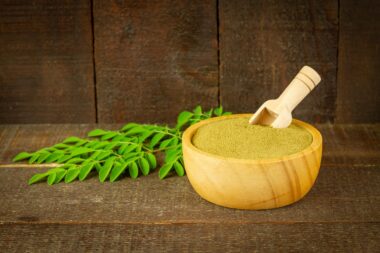

How Herbal Supplements Can Alleviate Canine Arthritis Symptoms
Caring for our four-legged friends often includes managing their health, especially when it comes to conditions like arthritis. Canine arthritis affects many dogs, resulting in discomfort and restricted mobility. While traditional veterinary treatments, including medications and physical therapy, are often necessary, holistic approaches like herbal supplements are gaining popularity among pet owners. These natural remedies can provide relief and improve the quality of life for arthritic dogs. Effective herbal supplements contain anti-inflammatory and antioxidant properties, combating oxidative stress in the joints. Some widely used herbs include turmeric, which may reduce inflammation, and ginger, known for its pain-relieving effects. Furthermore, these supplements can enhance the immune system. Incorporating herbal supplements into a dog’s diet is essential. Many owners have reported positive effects, such as increased agility and reduced signs of pain, allowing their dogs to enjoy more activities. However, before starting any new regimen, consulting a veterinarian ensures safety and compatibility with existing treatments.
Understanding the various benefits of herbal supplements can help pet owners make informed choices for their furry friends. Herbal remedies for dogs focus on natural ingredients derived from plants, offering a holistic approach to treating health issues. Ingredients like boswellia, an herbal extract, have been noted for their effectiveness in treating inflammation and can support mobility in arthritic dogs. Another significant herb is devil’s claw, which helps relieve pain and enhance the dog’s overall well-being. Alongside these herbs, omega-3 fatty acids, commonly found in fish oil, are essential for joint health, contributing to a comprehensive strategy for managing arthritis. Using these natural remedies can complement traditional treatments, providing a more rounded approach. Additionally, evidence suggests that overall diet quality influences the effectiveness of supplements. Pet owners must consider the holistic picture, including high-quality dog food rich in nutrients. Regular consultation with a veterinarian can guide the right combination of diet and supplement. It empowers owners to assess the dog’s condition, ensuring the chosen supplements align with specific needs and health goals.
Choosing the Right Herbal Supplements
When selecting herbal supplements for your dog, consider the quality and origin of the products. Many products on the market vary significantly in their formulations, so it’s crucial to choose reputable brands that prioritize ingredient transparency. Look for supplements that include standardized extracts with consistent potency levels. Reading labels helps pet owners avoid fillers and additives that may be ineffective or even harmful. It’s important to note that not every herbal supplement is appropriate for every dog. Factors such as age, weight, and the severity of arthritis play significant roles in the selection process. Therefore, consulting with a veterinarian is advisable to understand the specific needs of your pet. Moreover, starting with small doses allows for monitoring any adverse reactions or improvements in symptoms. Over time, adjusting the dosage may enhance efficacy while minimizing risks. It’s worth noting that some dogs may respond better to certain supplements than others, emphasizing the need for patience and observation. Keeping a journal to record any changes can be invaluable during this trial-and-error process.
Administration of herbal supplements can often vary based on the product form. Several supplements come in pill or capsule forms, while others are available as powders or liquids. Mixing powdered supplements into food can be an easy way to ensure intake, particularly for picky eaters. Meanwhile, liquid forms may offer improved absorption and quicker action within the dog’s body. Owners should follow dosage recommendations closely to avoid under or overdosing. Additionally, combining herbs with a palatable treat can encourage stubborn dogs to take their supplements without fuss. Gradually introducing the supplement can facilitate adaptation. In some cases, it’s beneficial to use compression or wrapping techniques when introducing new flavors or odors. To maximize effectiveness, owners should integrate herbal supplements into a balanced diet alongside ongoing veterinary care. Regular follow-ups with a veterinarian will help track the dog’s progress. Keep in mind that holistic health plays a pivotal role in optimizing the benefits of supplements. Furthermore, maintaining an active lifestyle, alongside a nutritious diet, will contribute to an all-around healthier dog.
Potential Side Effects and Considerations
While many herbal supplements offer benefits, potential side effects must be recognized. Each dog’s reaction to herbal ingredients can differ. Some dogs may experience upset stomachs, while others may show signs of allergic reactions or sedation. As with any new treatment, monitoring your dog after starting a supplement is vital. If unusual symptoms arise, consult your veterinarian promptly to evaluate the situation. Additionally, some herbs may interact with conventional medications, complicating existing treatment plans. For instance, turmeric and ginger may have blood-thinning properties, impacting dogs on anticoagulants. Therefore, comprehensive communication with a veterinarian is paramount. This ensures that all aspects of a dog’s health regime are taken into account holistically. Seasoned pet owners often advocate for a gentle approach when evaluating herbal options. Moreover, gradually implementing changes reduces stress for both the dog and owner, leading to a smoother transition. Overall well-being should be the primary consideration when administering new supplements. Balancing caution and enthusiasm allows for the safe exploration of herbal remedies in managing canine arthritis.
In addition to herbal supplements, a supportive environment plays a significant role in alleviating canine arthritis symptoms. Maintaining a comfortable living space free of obstacles can reduce strain on your dog’s joints. Pet owners should consider non-slip flooring and supportive bedding that caters to their dog’s specific needs. Gentle exercises tailored to the dog’s abilities can help maintain mobility while avoiding overexertion. Short walks, swimming, and controlled play can contribute positively without causing undue stress. Investing in supportive accessories, like ramps or orthopedic beds, can enhance comfort and flexibility for arthritic dogs. Furthermore, regular veterinarian check-ups can ensure proactive treatment adjustments and encourage a well-rounded strategy for managing arthritis. Socialization with other pets and gentle activities can also uplift the dog’s spirits, positively influencing overall health. Offering mental stimulation through interactive toys contributes to their emotional well-being, which is equally important. Keeping the dog’s weight in a healthy range decreases joint pressures, facilitating comfortable movement. Combining these lifestyle adjustments with herbal supplements can create a comprehensive care plan aimed at improving your dog’s quality of life.
Conclusion
In conclusion, herbal supplements can effectively support dogs struggling with arthritis symptoms. With the right approach, this holistic method can enhance the lives of our furry companions. Pet owners should prioritize quality, consultation with veterinarians, and attentive care while integrating supplements into their pet’s regimen. There are many options available, allowing customization based on each dog’s unique needs and preferences. Ultimately, the journey toward finding the right combination of supplements, diet, and lifestyle changes may take time, but the results can be profoundly rewarding. Engaging both physically and mentally, ensuring adequate comfort, and maintaining wellness in dogs experiencing arthritis profoundly affect their overall health. By embracing this multi-faceted strategy, pet owners can navigate the challenges of canine arthritis with knowledge and compassion. Such dedication ensures that our beloved pets live happier, healthier lives despite their conditions. The aim is to empower pet owners to feel confident in making informed choices, fostering a symbiotic relationship that benefits both pet and owner.