
The Science Behind Hydration and Cat Behavioral Health
Hydration plays a crucial role in the overall health of cats, influencing both their physical and behavioral aspects. Cats are known for being somewhat finicky drinkers, often consuming insufficient water. This inadequate hydration can lead to various health problems, including urinary tract issues and kidney disease, which, in turn, may manifest as behavioral changes. Behaviorally, when cats are dehydrated, they might show signs of lethargy, irritability, and decreased interest in activities such as playtime or interaction with their owners. Additionally, dehydration can affect learning and memory, leading to difficulties in adapting to changes in their environment. To ensure cats remain well-hydrated, it is essential to provide fresh water daily, monitor their drinking habits, and encourage them through the use of interactive water bowls or fountains. Environmental enrichment plays a vital role as well; when a cat receives adequate stimulation, they rehydrate more effectively. Therefore, maintaining proper hydration is integral to promoting positive behaviors and mental well-being in felines. Owners must stay vigilant, noting any changes in drinking habits or temperament and seeking veterinary advice if concerns arise.
The Importance of Water Intake
Water intake significantly impacts a cat’s overall health and behavior. A cat’s body comprises about 70-80% water, underscoring the importance of adequate hydration. Water is essential for countless biological processes, from digesting food to regulating temperature. When a cat does not drink enough water, it may lead to dehydration, which can trigger various health issues, including urinary tract disorders, constipation, and even kidney failure. Behavioral changes often surface as a direct consequence of these health problems. For instance, a cat that feels uncomfortable due to urinary issues may become more aggressive or withdrawn. This highlights the intricate link between hydration and mental health. To help encourage water intake, cat owners can implement several strategies, such as providing multiple water bowls throughout the house, using fountains, or even adding wet food to the cat’s diet. Cats are more likely to drink when they see fresh, flowing water or when it is convenient for them. Moreover, ensuring their water station remains clean and appealing is crucial. By prioritizing hydration, cat owners can positively influence their feline’s behavior and promote a happier, healthier life.
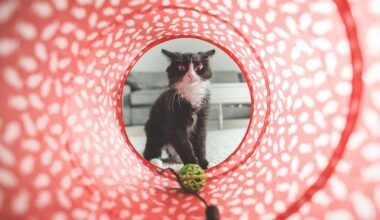
Fostering a stimulating environment for your cat can significantly affect their hydration behavior. Stress and boredom often lead to dehydration, as anxious cats might avoid drinking. Cats are naturally curious and require mental stimulation to thrive. This need can be met by offering a variety of toys and activities that engage their instincts. This engagement not only entertains them but also encourages them to explore their surroundings, leading to increased water consumption. Additionally, developing a routine that incorporates hydration habits is beneficial. For example, offering water after play sessions can establish a connection between activity and hydration, making drinking more appealing. Mixing water with food or providing food that contains high moisture levels, such as wet cat food, can also increase overall water intake. Ensuring that the environment is stress-free is vital; sudden changes in surroundings or routine can lead to anxiety, indirectly affecting their hydration habits. Monitoring the cat’s water bowl and checking for signs of dehydration can be critical. Every owner should prioritize their cat’s mental and physical health by fostering a happy and healthy drinking behavior to promote overall well-being.
Recognizing Signs of Dehydration
Recognizing the signs of dehydration in cats is a vital skill for owners to possess. Common symptoms may include dry gums and a saggy skin texture. When a cat is hydrated, you should notice a springiness when you gently pinch the skin between their shoulder blades. If the skin remains elevated or takes time to return to normal, it’s a sign of dehydration. Additionally, cats might exhibit a lack of energy and become more withdrawn than usual, which are indicators of both physical and mental distress. Watch out for alterations in urination patterns; more concentrated urine might indicate that a cat is not drinking enough. Moreover, if your feline is not grooming themselves adequately, it could signify lethargic behavior due to dehydration. Keeping track of drinking habits can also help identify hydration issues. If your cat’s usual drinking habits change suddenly, it is essential to investigate the reasons behind this change. Should you notice any of these signs, it’s crucial to seek advice from your veterinarian promptly. This may help establish a proper hydration plan for your beloved feline friend, addressing any underlying issues.
Cats have unique preferences regarding their drinking habits, which can impact their overall hydration levels. Some cats prefer cold, running water over still water, while others may be inclined towards specific types of bowls. Cats often dislike plastic bowls due to a phenomenon known as plastic poisoning, which may lead to reduced drinking. Stainless steel or ceramic bowls are usually preferable as they maintain freshness and temperature better. Moreover, placing water bowls in different areas of your home can encourage cats to drink more frequently. Observing your cat’s drinking habits is essential to understand. Forcing a cat to drink water can also lead to stress; therefore, positive reinforcement is a significant strategy. By rewarding your cat when they drink, it can create a more enjoyable experience. You may also consider adding diet options high in water content, like wet food, which naturally increases hydration levels. Finding a balance in their preferences and needs will promote not just overall hydration but enhance their overall behavioral health as well. When hydration becomes fundamental to their environment, it can dramatically affect their state of mind, leading to long-term well-being.
Hydration Tips for Your Cat
Implementing a few effective strategies can drastically improve your cat’s hydration levels. To begin with, providing fresh water is essential; change the water daily to maintain cleanliness and encourage drinking. Cats often prefer room temperature or slightly cool water, so be mindful of the water’s temperature when serving it. Moreover, incorporating ice cubes in the water bowl during warmer months can entice some cats, creating a playful drinking activity. Explore the option of using cat water fountains; these devices attract cats with the flowing water, enticing them to engage more willingly. Wet food is another excellent way to boost water intake, as it contains a higher moisture percentage than dry kibble. Additionally, consider adding flavor by including broth or tuna juice (without added salt) to their water – this can make drinking more appealing. Lastly, ensure that water bowls are located in quiet, low-stress areas, away from their litter box, allowing them to drink in a personal space. Regularly monitoring your cat’s drinking habits can help establish proper hydration levels and prevent dehydration. Adapt your strategies to your cat’s preferences and observe positive behavioral changes.
In summary, hydration is crucial for maintaining a cat’s behavioral health. Adequate water intake affects physical well-being, mental engagement, and overall behavior. A well-hydrated cat appears happier, participates more, and shows less aggression. Understanding the interactions between hydration and behavior allows owners to take actionable steps in ensuring their cats remain healthy and lively. Notably, behavioral symptoms such as lethargy, aggression, or withdrawal can indicate hydration-related issues. By paying attention to these signals, pet owners can act in time to prevent further health complications. Implementing strategies like providing fresh water, engaging with hydrating foods, and fostering environmental stimulation can profoundly influence well-being. Raising awareness about hydration’s impact on behavior should be a priority among cat owners. Addressing hydration promptly with veterinary advice ensures a comprehensive approach to a cat’s overall health. With proper hydration techniques, cats can lead better-balanced lives filled with joy and activity. Each attentive action taken today can lead to healthier behavior and increased happiness for our feline friends. After all, a well-hydrated cat is a delightful cat that thrives in a loving, enriching environment.