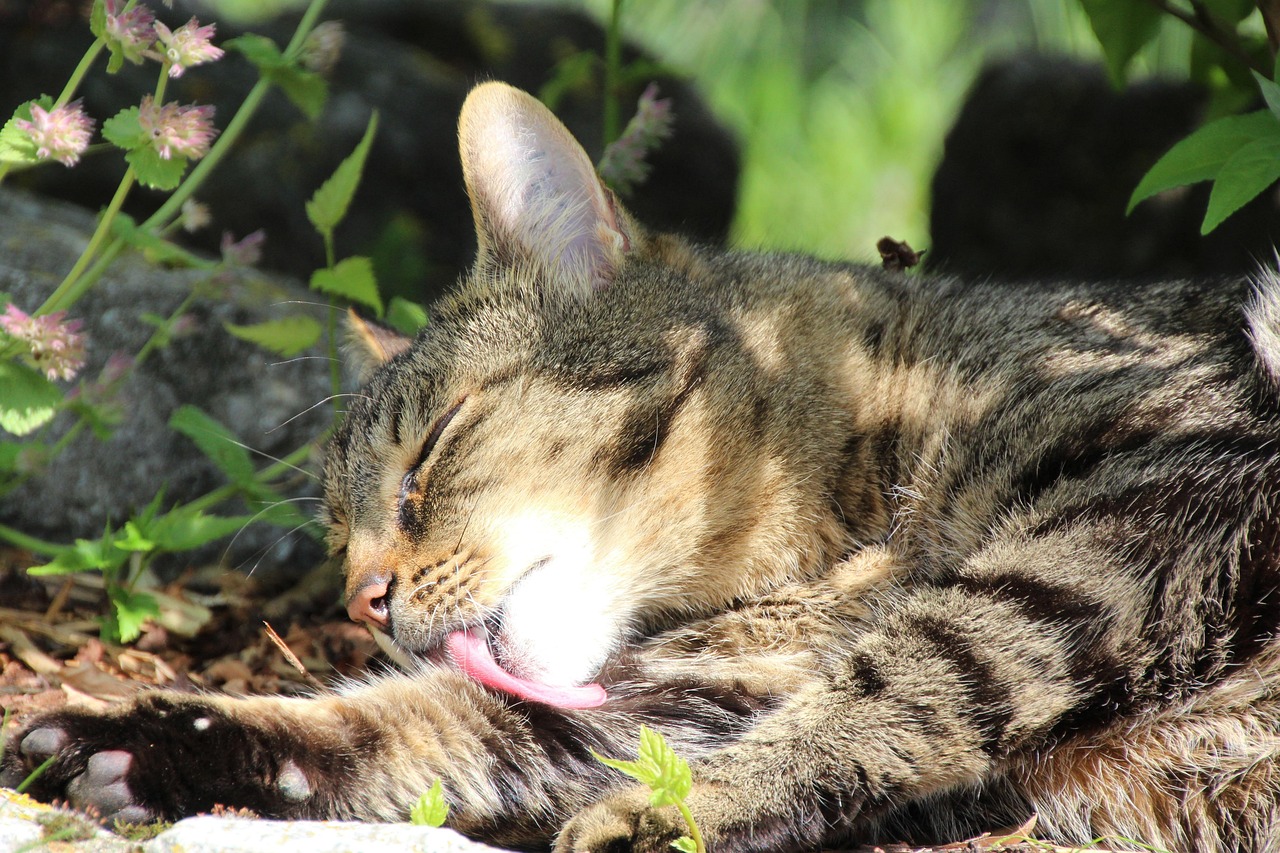

Maintain Your Cat’s Hygiene: Best Cleaning Practices
Keeping your cat clean is essential for its health and happiness. Regular grooming and bathing help prevent skin issues and allergies, ensuring your pet feels good. Grooming sessions can be enjoyable for both you and your cat if approached with patience. Start by introducing basic tools like brushes and combs, gradually familiarizing your feline friend. Petting your cat beforehand establishes trust, allowing them to feel comfortable with the grooming process. Research the specific grooming needs of your cat’s breed, as some require more care than others. Implementing a routine can significantly ease the grooming experience. Be sure to set aside a specific time each week to dedicate to grooming your cat. Most importantly, always follow your cat’s mood and energy levels, adjusting your approach as necessary. Incorporating treats can also create a positive association with grooming. Have wipes or sprays on hand for quick clean-ups after messy meals. A well-groomed cat is a happy cat, so prioritize their hygiene with consistent cleaning practices tailored to their needs. With a little effort, hygiene can become a seamless part of your cat’s life.
The Importance of Cat Cleaning & Deodorizing
Cat cleaning and deodorizing products are vital for maintaining a pleasant living environment. Cats, while clean animals, can sometimes cause lingering odors due to litter box habits or fur shedding. Effective cleaning products should be safe for pets. Look for natural, non-toxic formulations that effectively neutralize odors without harming your cat. Products containing baking soda, enzyme cleaners, or vinegar can be great options. Additionally, regularly changing the litter and cleaning the litter box can significantly reduce odors. Consider using covered litter boxes to contain smells as well. When selecting cleaning products, always check for safety labels to ensure compatibility with your home. Maintaining surfaces your cat frequents can also minimize allergy triggers, like dust and dander. Regular vacuuming and wiping down furniture with damp cloths will help eliminate fur buildup. Remember to keep your cat’s sleeping areas clean, ensuring they have a comfortable, hygienic space to rest. These practices will improve not only your cat’s health but also your family’s comfort at home, negating smells that can accumulate over time. Effective deodorizing aids in promoting a clean, healthful environment for both pets and owners.
Feeding your cat in a clean environment is essential for its overall health. Keeping feeding areas tidy and sanitized can prevent diseases and promote good hygiene. After mealtime, promptly clean food dishes to avoid attracting pests. Consider using stainless steel or ceramic bowls, which are easier to clean than plastic options. Washing bowls daily prevents bacteria build-up that can affect your cat’s health. Introducing a feeding mat can contain spills and reduce mess around the feeding area. Alongside clean bowls, regularly refreshing your cat’s water supply is critical. Cats may avoid drinking from dirty bowls or stagnant water sources. Therefore, it is best to strategically place the water dish away from food areas for easy access and cleanliness. Additionally, consider investing in a cat water fountain, which entices them to drink more frequently. Monitoring your cat’s hydration is essential for their well-being. Ensuring all food and water supplies are kept clean helps establish better urinary and digestive health for your pet. Combining cleanliness with quality cat food can enhance your pet’s energy and overall mood, leading to a happier life. Clean feeding practices are foundational to proper cat care.
Play areas should also be maintained for optimal cat hygiene. Regularly cleaning toys and surfaces where your cat plays helps prevent the spread of germs and bacteria. Use pet-safe disinfectants to wipe down surfaces that come into contact with your cat. Pay special attention to fabric toys, as they can harbor odors and bacteria. Washing fabric toys regularly in a washing machine can help maintain cleanliness. For delicate toys, consider hand washing them with mild soap and ensuring they are thoroughly dried before giving them back to your cat. In addition to cleaning, regularly inspecting toys for wear and tear is important. Broken or frayed toys can be dangerous and should be discarded immediately. Providing a clean and safe play area ensures your cat enjoys its time while remaining healthy. To further enhance the cleanliness of the play area, consider using mats that are easy to wash. These mats can absorb spills and fur, keeping floors clean. Using these practices can contribute significantly to the life quality and health of your cat. By maintaining a clean play environment, you will create a happier and more secure space for your feline family member.
The Role of Cat Baths
Bathing your cat is sometimes necessary to maintain hygiene and remove dirt. While cats typically groom themselves, there are instances where additional help is beneficial. If your cat has long fur or has encountered something sticky or troublesome, a bath may be essential. Improper bathing techniques can make the experience stressful for your cat, so preparation is vital. Brush your cat’s fur beforehand to mitigate tangles and make washing easier. Use lukewarm water and ensure the bathroom environment is warm and free from drafts. Always use pet-specific shampoos to avoid skin irritation. Make sure to rinse thoroughly to remove all soap, as residues can irritate sensitive skin. During the bath, speak gently and reassuringly to your cat, making the experience less traumatic. Using a towel to dry your cat afterward can help comfort them post-bath. Maintaining a clean coat and skin not only helps with aesthetics but also promotes better overall health. Regularly assessing your cat’s grooming needs will determine bath frequency. Proper care will help maintain their coat and create a bonding experience between you and your feline friend.
Cat litter maintenance is a cornerstone of cat hygiene. Cleaning the litter box regularly minimizes odors and facilitates a healthy environment. Scoop waste daily, ensuring to remove clumps of soiled litter to keep it fresh. Depending on the type of litter used, changing it out entirely may be necessary on a weekly or bi-weekly basis. Always choose a litter that absorbs moisture well and controls odors efficiently. If unwanted smells persist despite maintenance, it may be time to consider alternatives. Some premium litters are designed to mask odors naturally. Investing in a high-quality litter box with a lid or a filtering feature can also help keep odors contained while providing your cat with a comfortable space. Choose areas for litter placement that are away from company traffic to make your cat feel secure when using them. Teaching your cat proper litter box habits from a young age promotes longevity and hygiene. Maintaining a clean litter box protects your health and that of your cat. Ultimately, a well-maintained litter area contributes to less stress in your home and happier feline companions.
Your cat’s grooming tools are also essential for proper hygiene practices. Invest in high-quality grooming equipment tailored to your pet’s specific needs. Essential supplies include brushes, combs, and nail clippers designed for cats. Regular grooming not only keeps shedding in check but also allows you to monitor your pet for any health issues. While grooming your cat, be sure to keep tools clean to avoid transferring dirt or bacteria back to your pet. Choose brushes that suit your cat’s fur type; some tools work better with short hair, while others are meant for long-haired breeds. Establish a routine that incorporates brushing, at least once a week, or more for long-haired cats. Combine brushing techniques with a gentle touch to build a trusting relationship. Always reward your cat after grooming sessions to create a positive association. Additionally, keep an eye out for mats or tangles in your cat’s fur that could become problematic. Regular maintenance ensures your cat remains comfortable. Well-groomed cats are less prone to skin irritation, leading to a healthier, happier pet.