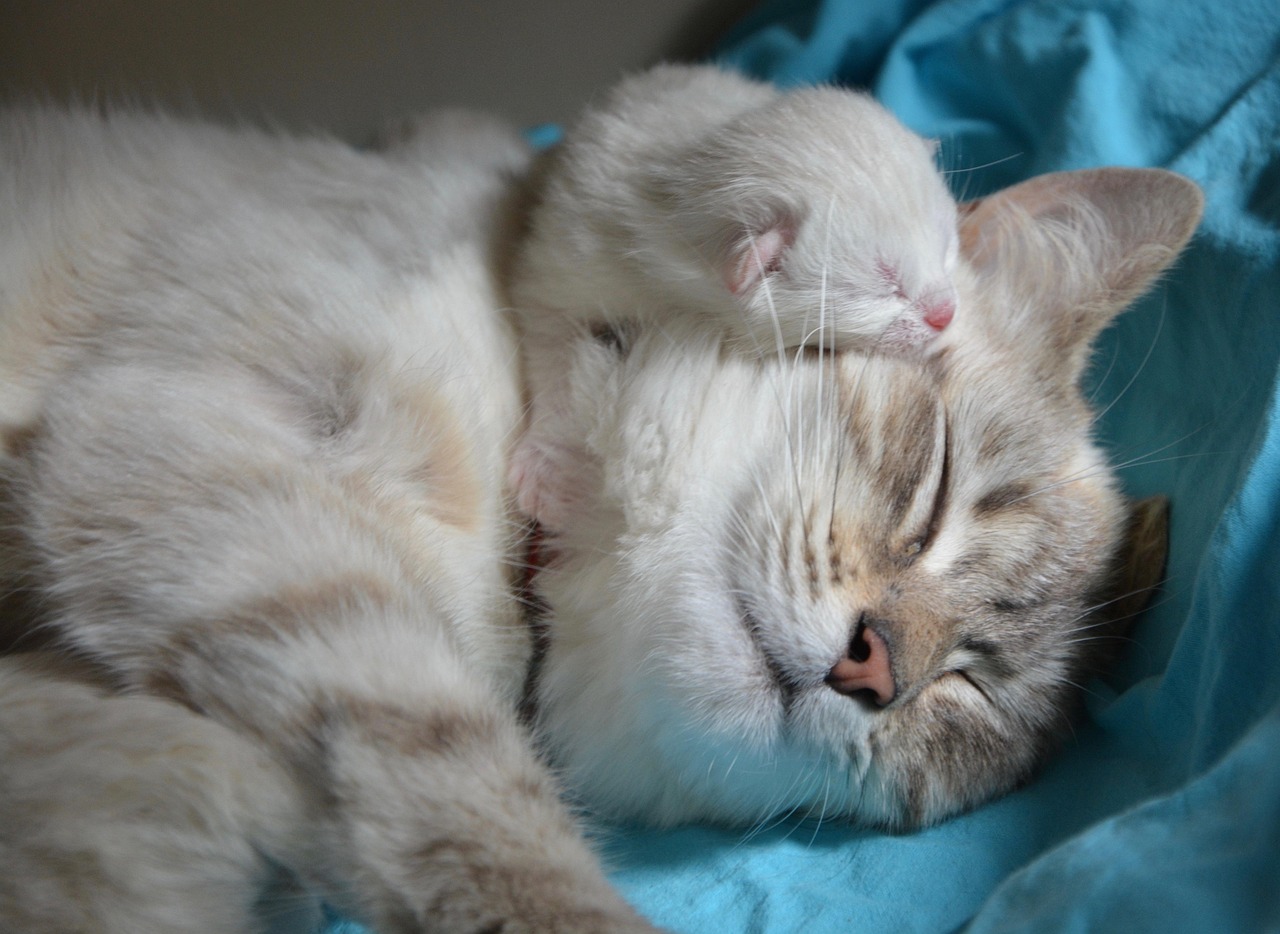

The Science Behind Kitten Socialization and Training Success
Socializing kittens is a fundamental aspect of their overall development and training. Understanding their natural instincts can lead to effective training methods that enhance behaviors. Early socialization has been linked to improved long-term behavior in cats, making it crucial for their integration into human environments. Kittens are particularly receptive to new experiences from two to nine weeks of age, thus, this period is vital for their behavioral conditioning. Exposing them to various stimuli such as sounds, people, and other animals promotes adaptability. This exposure helps prevent the development of fear and anxiety later in life. Positive reinforcement techniques can be applied during this socialization stage, reinforcing good behaviors. Socialization is not only about exposure; it also involves positive interactions with humans and other pets. Establishing trust is essential for effective communication and training. Engaging the kitten in play and providing a safe environment enhances their learning experiences. By prioritizing socialization, owners can ensure that their kittens grow into well-adjusted adult cats, fostering a harmonious living situation. Therefore, investing time in socialization significantly impacts a kitten’s training success in the future.
Socialization is an art form that requires patience and understanding of a kitten’s needs. By employing gradual exposure techniques, owners can introduce their kittens to new environments and experiences at a comfortable pace. This gradual approach can be reinforced through gentle play sessions and rewarding positive reactions. Employing toys that stimulate the kitten’s instincts, such as feather wands or laser pointers, promotes engagement and facilitates learning. Furthermore, using clicker training can also enhance communication, making it easier for kittens to understand desired behaviors. Socialization must include meeting various individuals, as diverse experiences can strengthen their confidence. Additionally, coordinating visits with friendly and calm animals helps in developing positive associations. The goal is to create positive experiences for the kitten, reducing potential stressors as they grow. Social interactions should be supervised initially to ensure safety and security. It’s important to consider each kitten’s personality since some may be more cautious than others. Hence, owners should tailor their approach based on individual temperament and comfort levels. A consistent routine of handling, playing, and social interactions will contribute significantly to shaping your kitten’s character.
Understanding body language is crucial when socializing kittens, as it can greatly influence training outcomes. Kittens communicate their comfort levels or discomfort through body posture, tail position, and vocalizations. Observing these cues helps to tailor the interactions and can prevent negative experiences that may lead to behavioral issues later on. For instance, if a kitten’s ears are flattened or their tail is puffed up, it signifies fear or stress. Recognizing these signs allows owners to take a step back and give the kitten space. Positive reinforcement techniques play a vital role in overcoming hesitation or fear. When introducing new experiences, rewarding achievements with treats or praise encourages them to embrace further challenges. Moreover, the environment plays a part in their learning process; a calm and quiet setting can enhance focus and reduce anxiety. Cat-friendly spaces must be created at home, containing safe zones for the kitten to retreat when feeling overwhelmed. Consistent handling by multiple family members also contributes to positive social development, fostering trust in humans. This diversified approach not only enriches their social skills but also establishes a foundation for future training and bonding.
Importance of Early Socialization
Early socialization has been scientifically shown to benefit kittens in myriad ways. It strengthens their psychological resilience, reducing the likelihood of aggression or fear-based behaviors as they mature. Kittens that receive proper social exposure are often more adaptable to new environments, making them better companions. Engaging in social activities at a young age primes kittens for life’s various experiences, from vet visits to travel, which are often sources of anxiety. Building a foundation of positive experiences means that adult cats are generally more calm and less fearful. Furthermore, socialized kittens tend to form closer bonds with their human families and other animals within the household. These connections enhance their overall quality of life and encourage natural instinctual behaviors. Social interaction is not limited to just humans but should also include exposure to other pets. Properly guided interactions with friendly dogs or other cats can further develop a kitten’s social skills, providing essential insights into feline body language and behavior. Ultimately, a well-socialized kitten is likely to transition smoothly into adulthood, benefiting both the pet and its owner.
Training walks hand-in-hand with socialization. Involving kittens in different activities can be beneficial for developing their skills and confidence. Introducing them to various environments, like parks or pet stores, fosters curiosity and adaptability. During these excursions, short training sessions can reinforce good behaviors and smoothen their adjustment to new stimuli. It’s essential to carry treats to reward positive behavior during these outings, which reinforces their willingness to explore. Consistency in using commands and training signals will aid in understanding expectations. Positive experiences during these sessions create a comfortable bond, making training enjoyable for both the owner and the kitten. Special attention should be paid to their reactions; positive experiences encourage exploration while negative encounters can hinder progress. Socialization should be fun, hence, focusing on activities that engage their natural behaviors such as climbing and jumping can aid learning. Owners shouldn’t rush the process; taking gradual steps fosters patience and ensures sustainable learning. Each kitten is unique, so adapting the training to suit their individual personality ensures meaningful interactions, allowing for successful application of learned behaviors in everyday life.
Challenges in Kitten Socialization
Despite its importance, socializing kittens can present several challenges. Some kittens may be more timid or fearful when encountering new experiences, requiring additional time and encouragement. Overwhelming a kitten with too many new stimuli at once can result in negative associations, impeding progress. Observing their comfort levels is crucial to avoid causing anxiety during the socialization process. Owners should ensure to take a step back if the kitten seems overwhelmed, creating opportunities for them to acclimate at their own pace. Using calming techniques such as gentle petting or vocal reassurance can help settle anxious kittens. Many cat professionals recommend gradual introductions, suggesting new experiences be introduced one at a time. Furthermore, frequent exposure to unfamiliar environments can lead to overstimulation, which should be managed. Understanding that socialization is a lifelong process will enable owners to view challenges as opportunities for growth rather than setbacks. Continual reinforcement and support from owners encourages the kitten to navigate its world confidently. Through patience and observance, these challenges can be mitigated, fostering a supportive environment for successful socialization and training.
Ultimately, socializing kittens is a rewarding endeavor that enhances their well-being and the human-animal bond. Building a strong foundation of trust and communication fosters a harmonious living environment. Positive interactions throughout the training process set the tone for lifelong behaviors, which can alleviate certain behavior-related problems later. Owners can serve as role models, demonstrating appropriate responses to stimuli and facilitating learning through example. By introducing social opportunities, both kittens and owners can learn valuable lessons, creating meaningful experiences together. Moreover, establishing a routine can provide a sense of security for kittens, allowing them to thrive and learn effectively. Identifying fun activities such as interactive play sessions contributes to reinforcement and enriches their learning journey. Ensuring their physical and emotional needs are met creates a balanced approach to training. This comprehensive method empowers kittens to develop their full potential, providing them with the tools required for successful adaptation to their environment. Through understanding and commitment, owners can guide their kittens towards becoming well-socialized, confident companions, ultimately paving the way for a fulfilling relationship.