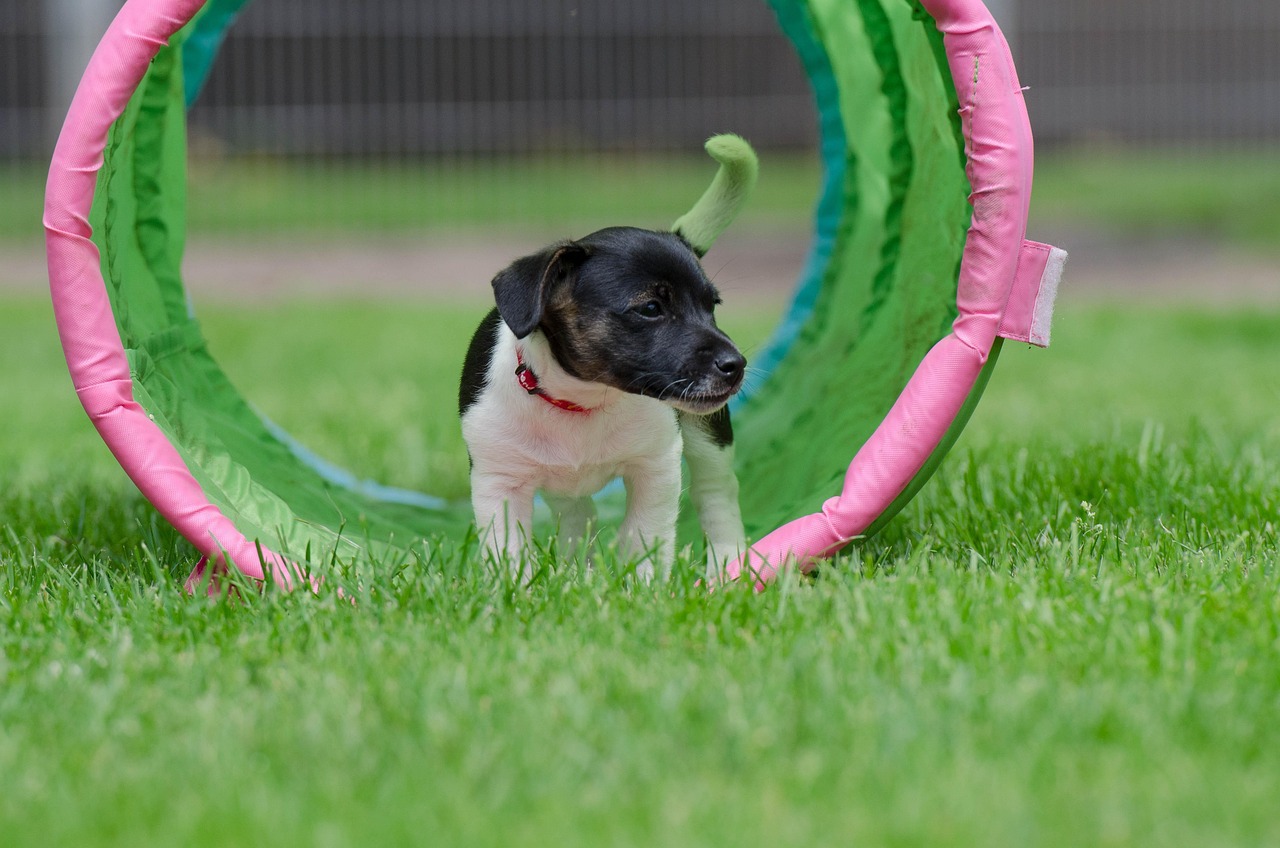

The Connection Between Puppy Socialization and Separation Anxiety
Puppy socialization is crucial for a dog’s development and can significantly impact behavioral issues later in life. Early socialization involves exposing puppies to various people, animals, environments, and experiences during their critical developmental stages. By ensuring that they experience a variety of situations, puppies learn how to cope with these experiences positively. Proper socialization helps them build confidence and reduces the likelihood of developing anxiety disorders, including separation anxiety, which is prevalent among dogs. A well-socialized puppy becomes accustomed to being away from their guardians, which is essential for their emotional well-being. Puppies that miss out on social experiences may become overly attached to their owners, leading to challenges when those owners leave. Ultimately, socialization serves as a preventive measure against behavioral problems associated with anxiety and fear as dogs mature. Teaching puppies to be comfortable alone is essential, as this skill directly informs their emotional health. To create a balanced adult dog, early exposure to various stimuli is indispensable, significantly improving their adaptability and resilience in different circumstances.
One of the most significant aspects of puppy socialization is the way it affects their interaction with other animals. If a puppy has not been socialized properly, they may react fearfully or aggressively when encountering unfamiliar dogs. These reactions can escalate into anxiety when left alone, making it difficult for the dog to remain calm in the owner’s absence. Socializing puppies with other dogs teaches them how to communicate effectively, interpret social cues, and establish relationships. This learning is essential for reducing their tendencies toward fear-based behaviors, which are often linked to separation anxiety. By engaging in playtime with peers, puppies develop skills that help them understand their place in the social hierarchy among canines. Socialization also includes exposure to different types of people, such as children, seniors, and various ethnic backgrounds. Proper exposure to diverse individuals allows puppies to develop a positive and adaptable perspective, further reducing anxiety levels. Thus, it is clear that early exposure forms a solid foundation that contributes to a dog’s mental well-being throughout its life.
Additionally, the environments in which puppies are socialized play a pivotal role in their development. Taking puppies into busy urban areas, parks, and pet-friendly establishments exposes them to various sounds, sights, and smells. These new experiences can be overwhelming; however, the more positive exposure a puppy receives, the more resilient they become. Proper puppy socialization reduces the likelihood of developing phobias, which can lead to issues like separation anxiety. Environments highly stimulating to them teach appropriate coping mechanisms, thereby supporting their learning curve. An essential aspect of socializing your puppy is to ensure that experiences are enjoyable, and the puppy feels safe. Positive reinforcement techniques and gentle introductions are effective ways to create lasting impressions. This way, puppies associate new experiences with joy rather than fear. Owners should approach socialization with a mindset focused on minimizing discomfort, ensuring their puppy feels secure and confident. Without suitable socialization, puppies may struggle later when alone, resulting in anxiety that could escalate into separation distress as they grow older.
The Role of Positive Reinforcement
Positive reinforcement is key to effective socialization and reducing separation anxiety among dogs. When a puppy experiences something new, and its response is rewarded with praise or treats, it reinforces that behavior positively. This technique fosters an environment where puppies understand that new encounters are not threats but opportunities for growth and fun. It is essential to reward their calmness in situations where they might feel anxious or fearful. By doing so, owners can build a strong foundation for their puppy’s response to new environments, which is beneficial when facing times alone. The use of positive reinforcement can range from verbal praise to small treats or toys to create a motivational atmosphere. Meanwhile, ensuring that socialization happens gradually and in controlled settings helps monitor reactions. As puppies gain confidence through gradual exposure paired with rewards, they become less predisposed to anxiety. As a result, this sets the stage for resilient adult dogs who can handle time alone without distress. Effective socialization programs can guide owners in implementing these techniques seamlessly into their daily routines.
Another critical component of preventing separation anxiety is educating puppy owners about their needs and behavioral quirks. Environments that feel safe and stimulating can alleviate their anxieties when left alone. Training can encompass establishing rules, routines, and boundaries, which provide structure for puppies. With consistent reinforcement, puppies learn what behaviors are acceptable and what is expected of them. This understanding lessens confusion and anxiety, thus enhancing their comfort when the owner is away. Owners should prioritize creating a calming space for their puppies, filled with comfortable bedding and familiar toys. Additionally, leaving behind articles that carry their owner’s scent can offer comfort during absences. An engaging environment with toys that stimulate physical and mental activity can reduce boredom and anxiety as well. This helps ensure their behavior remains positive when they cannot be with their owners. Overall, managing a puppy’s environment greatly impacts its ability to cope with solitude, further connecting socialization experiences directly to its future emotional stability.
Gradual Desensitization
Another effective strategy for managing separation anxiety in puppies is gradually desensitizing them to their owner’s absence. This technique can be achieved by slowly increasing the duration of separations, starting with very short periods and extending them over time. For instance, a puppy might begin with five minutes apart from their owner, gradually working up to longer intervals. This process allows them to build resilience and confidence, ultimately reducing their anxiety levels. During initial separations, engaging the puppy with interactive toys can distract them, quelling feelings of anxiety. Furthermore, maintaining a consistent routine for greetings and goodbyes can help set expectations. Keeping departures low-key reduces the anxieties related to separation. Using commands like “stay” or “wait” paired with positive reinforcement prepares them for when the time comes to be apart. Owners can also consider using calming aids, such as pheromone diffusers or anxiety wraps, to help their puppies feel more relaxed during longer absences. Developing a personalized plan based on the puppy’s comfort level and success can ultimately prevent the development of severe separation anxiety.
In conclusion, puppy socialization plays a vital role in preventing behavior problems, notably separation anxiety. An engaging and supportive upbringing allows puppies to develop results-oriented coping mechanisms against various stimuli, enhancing their adaptability. Understanding the main aspects of positive reinforcement strengthens the connection between teaching and comprehending their social environment. Puppies need opportunities to meet people and other dogs, confront new situations, and experience stimulating environments. Gradual desensitization techniques and creating a comforting space further contribute to their emotional stability when left alone. As owners, being mindful of the social needs of puppies and proactively working towards their mental health will build strong foundations for future well-being. It is essential that we, as guardians, prioritize adequate socialization efforts, fostering resilience to create well-adjusted adult dogs. Scheduling consistent socialization opportunities that consider individual puppy personalities allows for a smoother integration into varied contexts throughout life. By investing time and energy into this preventative approach, owners can ensure their dogs live their best, happiest, and anxiety-free lives.
This article highlights how essential socialization is, but also emphasizes that every puppy is different. Understanding their unique personalities helps shape individualized approaches to socialization and combating separation anxiety. Observing their behavior during interactions informs decisions about the types of social settings that suit them. Furthermore, owners might want to explore resources provided by trainers or behaviorists who specialize in dog behavior. Workshops, training classes, and dog meetups provide excellent opportunities for puppies to flourish in safe environments. Early intervention is key, as addressing behavior problems promptly fosters enduring benefits for both owners and puppies alike. Building a solid relationship based on trust, care, and understanding leads to a stronger bond with your canine companion. The time invested in socializing your puppy is worthwhile, yielding a confident, well-behaved pet. As canine guardians, it becomes our responsibility to lay the foundations for healthy behaviors that last a lifetime. The information presented here provides a robust start toward understanding and tackling potential issues as we navigate the journey of dog ownership together.