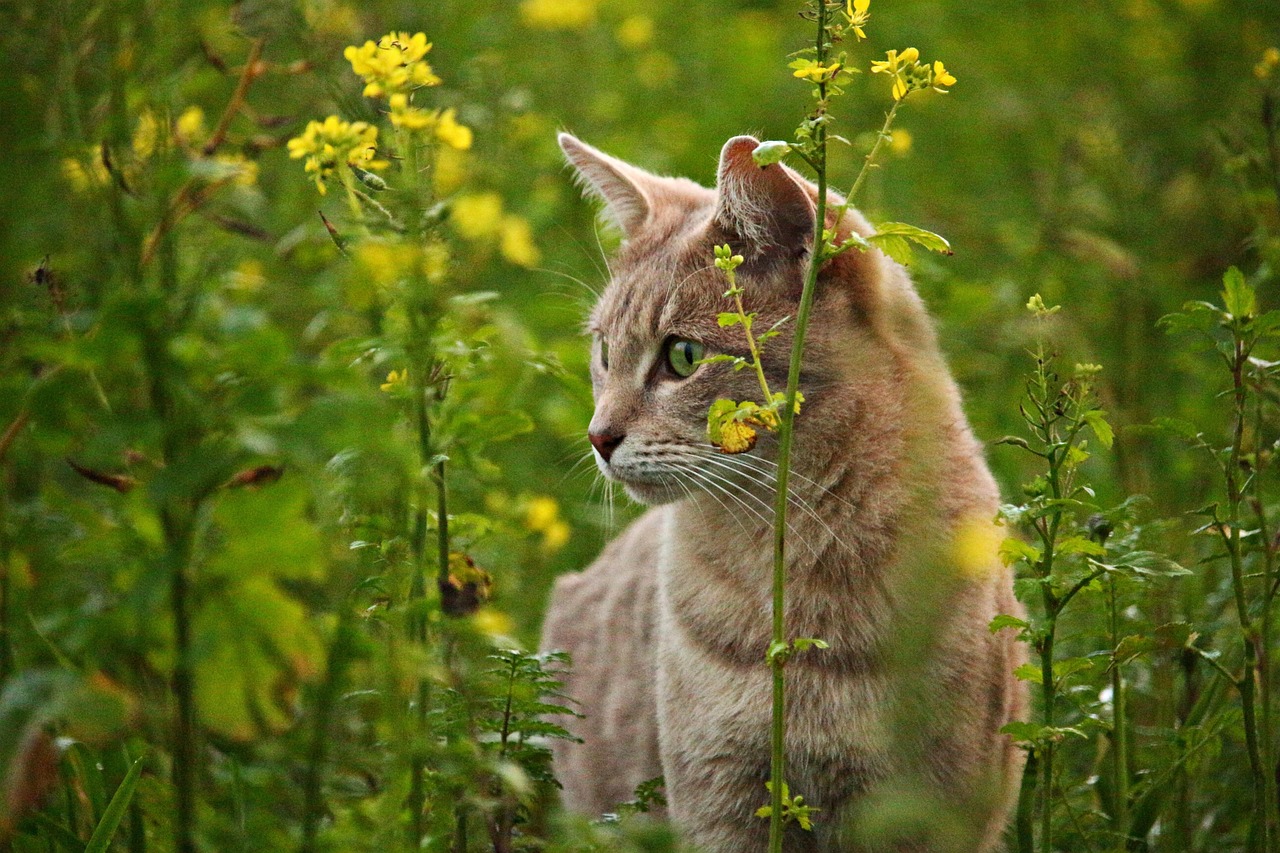

Designing a Sensory Garden for Your Indoor Cat
Creating a sensory garden for your indoor cat can greatly enhance their mental health, offering both stimulation and entertainment. A sensory garden incorporates various textures, smells, and sounds that engage your feline’s natural instincts. Start by selecting a small area in your home, such as a balcony, patio, or window perch, where your cat can safely explore and enjoy. Incorporate plants that are safe for cats, including catnip, cat grass, and valerian. These plants not only provide a safe source of enjoyment but also stimulate your cat’s sense of smell. Use planters or pots that are easily accessible to prevent any hazards from falling greenery. Once the plants are set up, consider adding various textures to the space, such as soft mats or scratchers, and interactive toys to encourage exploration. Placing scented objects, like crumpled paper, can also promote engagement. Encourage your cat to explore this area regularly, introducing new elements occasionally to maintain their interest. By doing so, you’re not only enhancing their environment but also promoting their overall well-being.
Implementing interactive elements into your sensory garden can help in providing entertainment while keeping your indoor cat mentally stimulated. Consider integrating various structures, such as climbing shelves or tunnels, that cater to your cat’s natural instincts to climb and hide. A tall shelf with different levels allows cats to observe from above, giving them a sense of security while interacting with their environment. Additionally, you can incorporate items that move or create sound, such as wind chimes or toys with feathers. These can intrigue your cat, encouraging them to partake in active play. Remember to rotate these interactive elements frequently to keep their interest alive and prevent boredom. Moreover, include multiple hiding spots or dens within the garden area, allowing your cat to retreat when they seek peace or safety. Cats often enjoy investigating small, enclosed spaces, so providing them with various options can enhance their feeling of control over their environment. Lastly, always ensure any items used are safe, free from small parts that could be ingested, and securely fastened to avoid accidents.
Choosing Safe and Engaging Plants
When designing a sensory garden for your indoor cat, choosing the right plants is crucial. Many houseplants can be dangerous or harmful to cats, so always research which varieties are safe. Catnip is a classic favorite among felines, stimulating playful behavior due to its aromatic oils. Another excellent option is cat grass, which is easy to grow and helps with digestion. Both of these plants not only provide sensory stimulation through smell but also allow your cat to engage in natural behaviors, such as nibbling and rolling. For visual stimulation, consider adding colorful flowering plants known to be safe, such as gerbera daisies or spider plants. These can create a lively and engaging feel in the garden space. Additionally, consider plants with tactile properties, such as lamb’s ear, notable for their soft texture. Incorporate layered plant heights for aesthetic appeal, with shorter plants in front and taller plants in the back. This arrangement creates visual depth and can be appealing to your cat while also enhancing their exploratory experience significantly.
Incorporating water features can elevate the sensory experience for your indoor cat immensely. Cats are often naturally drawn to running water, so a small fountain can serve as an engaging distraction. The gentle sound of running water not only intrigues your cat but also adds a tranquil ambiance to the garden. Additionally, providing a shallow water dish for drinking and playing enhances hydration awareness, which is vital for their health. When choosing a fountain, select one that is easy to clean and maintain, ensuring that the water remains fresh at all times. This prevents any buildup of bacteria that could be harmful to your cat’s health. You might also consider adding a few stones or pebbles around the fountain to create a natural look, adding to the sensory experience. Furthermore, if your cat enjoys splashing, consider strategically placing their toys near the water feature. Monitor them closely during play, ensuring the area remains safe and dry. A water feature not only enriches the environment but fosters relaxation and enjoyment within their dedicated space.
Lighting and Sound Considerations
The sensory garden’s atmosphere is heavily influenced by lighting and sound elements. Utilizing natural light is ideal, as it enables your cat to bask in sunshine, which they find soothing. Positioning secure perches allows your feline friend to lay in sunlight. If natural light is limited, opt for adjustable LED lights that imitate sunlight, providing warmth and brightness without overheating the space. Soft, ambient lighting will create a calming environment. Just as vital, sound elements add depth to your cat’s sensory experience. Consider using a device that emits gentle nature sounds, like birds chirping or water flowing, to create a peaceful atmosphere. This can stimulate their curiosity and make them feel more at ease. For more active engagement, incorporate toys that produce sounds when interacted with, enhancing their exploratory instincts. Ensure that sound levels are kept at a moderate volume to prevent distress. Creating different zones in your sensory garden with varying light and sound elements can keep your cat stimulating, inviting exploration within their sensory-rich environment.
Creating a comfortable resting area is essential in a sensory garden for your indoor cat. After a session of exploring and playing, your cat needs a cozy retreat to relax. Consider placing a soft bed or blanket in a corner where they feel safe and secure, away from any activities or noise. This space should feature a combination of comforting textures, such as plush fabrics, allowing your cat to curl up comfortably. You might also include a cat cave or enclosed bed, providing extra security. Warmth is crucial, so ensure this area receives adequate sunlight; cats love sunbathing and tend to seek warm spots. Additionally, consider placing an elevated bed within the garden. Cats enjoy observing their surroundings from a height, feeling a sense of control. Position it close to windows for a view of the outside, stimulating their curiosity further. A patterned or playful fabric can enhance the aesthetic of the sensory garden while offering comfort. By establishing a restful zone, you support your cat’s need for frequent relaxation amidst their exploration and play.
Maintenance and Regular Updates
Maintaining the sensory garden is crucial for its longevity and effectiveness. Regularly check the plants, ensuring they remain healthy by watering them as needed while monitoring for pests or diseases. Prune any dead leaves or flowers to encourage new growth and retain the garden’s visual appeal. Additionally, replace any plants showing signs of damage or wear. Rotating interactive toys and structures is essential for maintaining your cat’s interest and engagement, so be mindful of introducing new elements periodically. Every now and then, rearranging the layout can create a fresh environment, sparking curiosity. Cleaning surfaces and items in the garden helps to eliminate dust and allergens, ensuring a safe space for your pet. Checking the water fountain and changing water regularly is vital for hygiene. Lastly, document your cat’s responses to various elements, adjusting the design based on what they enjoy most. Regular maintenance and updates encourage a thriving environment that supports your indoor cat’s mental health and enriches their daily experiences.
Engaging your indoor cat in a sensory garden is beneficial for their overall mental health. Creating an enriching space that stimulates their senses offers both entertainment and comfort. As you go through the design process, ensure to focus on safety, using only non-toxic plants and stable structures. The integration of interactive and sensory elements will encourage your cat to explore, providing both physical and mental exercise. Through careful planning and maintaining the environment, you’ll foster a space that nurtures your cat’s instincts, keeps them active, and significantly improves their quality of life. Each contribution you make to their sensory garden, from plants to textures, ultimately contributes to their well-being and happiness. Check for safe plant options, interactive toys, thoughtful layout designs, and regular maintenance routines. Tailor elements according to your cat’s preferences, continually observing what they enjoy most. By investing time and effort in this project, you’re not only enhancing your home but also enriching your cat’s daily life, making them feel happy and secure in their surroundings. A sensory garden serves as a delightful retreat for them to explore throughout their indoor adventures. Grow and share the joy!