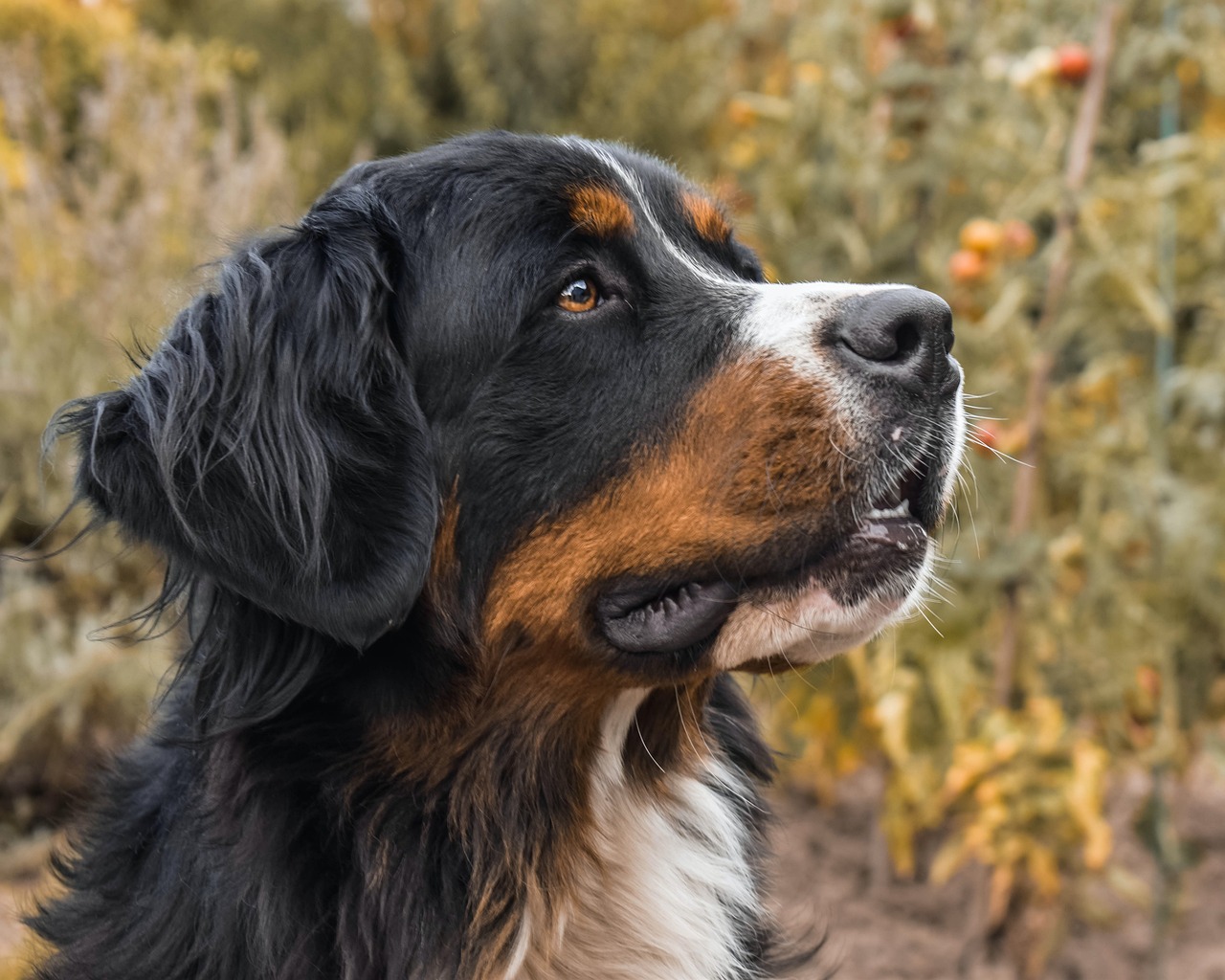

Common Bernese Mountain Dog Behavior Problems and Solutions
The Bernese Mountain Dog, known for its gentle temperament, can sometimes display particular behavior problems that may cause concern for dog owners. One common issue is separation anxiety, which occurs when they are left alone for extended periods. This breed is highly social and thrives on companionship. As a solution, gradually getting them used to alone time can be effective. Begin by leaving them for short periods and gradually increase the duration. Providing engaging toys can help distract them during these times. Additionally, creating a safe and cozy area for them can promote a sense of security. Positive reinforcement, such as praise or treats when they display calm behavior, can also aid in alleviating anxiety. Another issue might be excessive barking, which can attract unwanted attention. Consistent training and teaching the ‘quiet’ command can significantly improve this. Ensuring they have adequate physical exercise can also minimize this behavior. A well-exercised dog is less likely to bark excessively due to boredom.
Another behavioral problem that may arise in Bernese Mountain Dogs is jumping on people while excited. This is often a sign of affection but can be perceived as rude, especially with guests. To address this, training your dog to sit when people arrive is important. Using treats or positive reinforcement rewards them for maintaining the sitting position instead of jumping. Practicing this consistently can lead to significant improvements over time. Additionally, socialization with varied environments and people can help them learn appropriate greetings and behaviors. In doing so, you help them gain confidence and understand social cues appropriately. Aggressive behavior can also be an issue, though it is relatively uncommon in this breed. Early socialization is vital to prevent fear-based aggression. Always expose them to diverse situations, sounds, and people from a young age. If aggressive tendencies persist, seeking help from a professional trainer specializing in dog behavior can make a difference. They can provide tailored strategies and advice to help manage and correct this behavior effectively.
Some Bernese Mountain Dogs may exhibit signs of resource guarding, where they protect their food, toys, or space. This can be concerning, especially in homes with children or other pets. To mitigate this, it is crucial to establish early habits of sharing and trade games. Players can initiate a trade-off where they offer a treat or a different toy in exchange for what the dog is guarding. This can help the dog understand that giving up items can yield rewards, therefore reducing the urge to guard them aggressively. Teaching commands like ‘leave it’ or ‘drop’ can also significantly alleviate guarding tendencies. Always ensure that the dog feels secure and not threatened during these exchanges. Another area to monitor is their interaction with other dogs. Proper socialization plays a crucial role in shaping how they behave when meeting other dogs. Fearful or aggressive behavior can stem from inadequate early interactions. Taking them to dog-friendly parks or puppy classes allows them to experience various dog temperaments, which enhances their social skills. Regular, controlled meet-and-greet opportunities can promote better social experiences and improve their overall temperament.
Managing Behavioral Issues
Training and management are key components in addressing behavior problems in Bernese Mountain Dogs. Consistency and patience are essential. Establish a clear routine, including feeding, exercise, and training sessions, to help your dog understand expectations. They thrive on a predictable schedule, which can help reduce anxiety and confusion. Reinforce positive behaviors with praise and rewards, as this establishes a trusting relationship between you and your dog. Additionally, enrolling your Bernese in obedience classes can provide structure and teach essential commands. These classes also facilitate socialization with other dogs and people, which can minimize behavioral issues. Training sessions should be kept short, fun, and engaging to maintain the dog’s attention and enthusiasm. Incorporating mental challenges like puzzle toys can further help prevent boredom and undesirable behaviors. Another aspect to consider is the environment. Providing a comfortable, safe space for your dog at home can help in minimizing anxiety-induced behavior. Ensuring consistent exercise helps expend excess energy, reducing destructive behaviors as well. Both physical and mental stimulation are critical for this intelligent breed, keeping them happy and healthy.
As with all breeds, understanding breed tendencies can contribute significantly to managing behavior issues in Bernese Mountain Dogs. They tend to be sensitive and respond well to gentle, positive attention. Using harsh training methods can lead to fearfulness or aggression. Instead, focus on building confidence in your dog. This bond can be developed through engaged play, training, and quality time together. Frequent handling, grooming, and interaction will help your dog become accustomed to various sensations and experiences. Another common behavior is chewing, particularly when bored or anxious. Providing appropriate chew toys and engaging in playtime can deter them from chewing inappropriate items. Adult Bernese Mountain Dogs should also have a designated chewing area, promoting proper behavior. If destructive chewing persists, consider consulting with a professional trainer for alternative strategies tailored to your dog’s needs. Incorporating mental stimulation, like obedience games, can make a difference in preventing unwanted behaviors. By understanding your dog’s needs, establishing a routine, and offering positive reinforcement, you can foster an environment that encourages desirable behaviors and alleviates common problems within this wonderful breed.
Conclusion
Many behavioral challenges are common in Bernese Mountain Dogs, but with proper understanding and management strategies, these issues can be effectively addressed. Identifying the root cause of the behavior is critical in finding the right solution. Separation anxiety, jumping, barking, resource guarding, and destructive chewing are just a few challenges faced by owners. A consistent routine along with positive reinforcement training is essential for modifying these behaviors. Engaging in socialization exercises will also assist in developing well-adjusted dogs who are comfortable in various environments, reducing anxiety and fear-based reactions. Regular exercise is vital to maintain both physical and mental health, helping them thrive. Paying attention to your dog’s overall needs can significantly improve behavior. If problems persist, seeking assistance from professionals like trainers and behaviorists can provide tailored solutions. Remember, each dog is unique, and solutions may need to be adapted. A loving, patient approach will nurture a strong bond between you and your Bernese Mountain Dog, making your experience rewarding and enjoyable. With commitment, these beautiful dogs can become wonderful companions with well-managed behavior issues.
In summary, the gentle giant that is the Bernese Mountain Dog can come with its set of behavioral problems that are manageable with appropriate techniques and interventions. Understanding their nature and developing a structured environment will equip you with the tools needed to counter these issues. Take the time to engage in training and socialization, always addressing challenges systematically, while being consistent in your approach. Establish guidelines, routines, and trust with your dog, as this forms the foundation for a strong relationship. Use positive reinforcement and establish a routine where both you and your dog can thrive together. You’ll find that with patience and effective management, your Bernese Mountain Dog can display less problematic behavior and be the affectionate, loyal companion they are known to be. Your effort in recognizing and addressing these issues early on can lead to a happier, healthier dog. Celebrate the achievements both big and small as you guide your dog through challenges to enjoy the many rewarding moments ahead together. Your Bernese Mountain Dog has the potential to be a beloved family member, filled with joy and good behavior when given the right support.
Finally, as a Bernese Mountain Dog owner, you should remain vigilant and observant of any behavioral changes in your pet. Changes could be indicative of underlying issues that may need assessing. Regularly engaging with your dog through training and play not only strengthens your bond but allows you to identify any concerns early. This breed thrives on companionship, so ensuring they feel secure and loved at all times is critical for their well-being. An important aspect of this is providing opportunities for your dog to engage with others socially. Regular meet-ups with other dogs can help them to learn acceptable social behaviors. Attending classes, joining dog groups and even participating in canine sports can enhance their skills and reduce behavioral issues. Finally, do not hesitate to consult a professional trainer or a veterinarian if you’re struggling. They possess the experience to guide you through necessary improvements and help nurture your pet into a balanced, happy, and well-behaved member of your family. Being proactive in their upbringing will yield lifelong benefits, ensuring a bright future ahead. Being equipped with the right information helps you provide the best care possible.