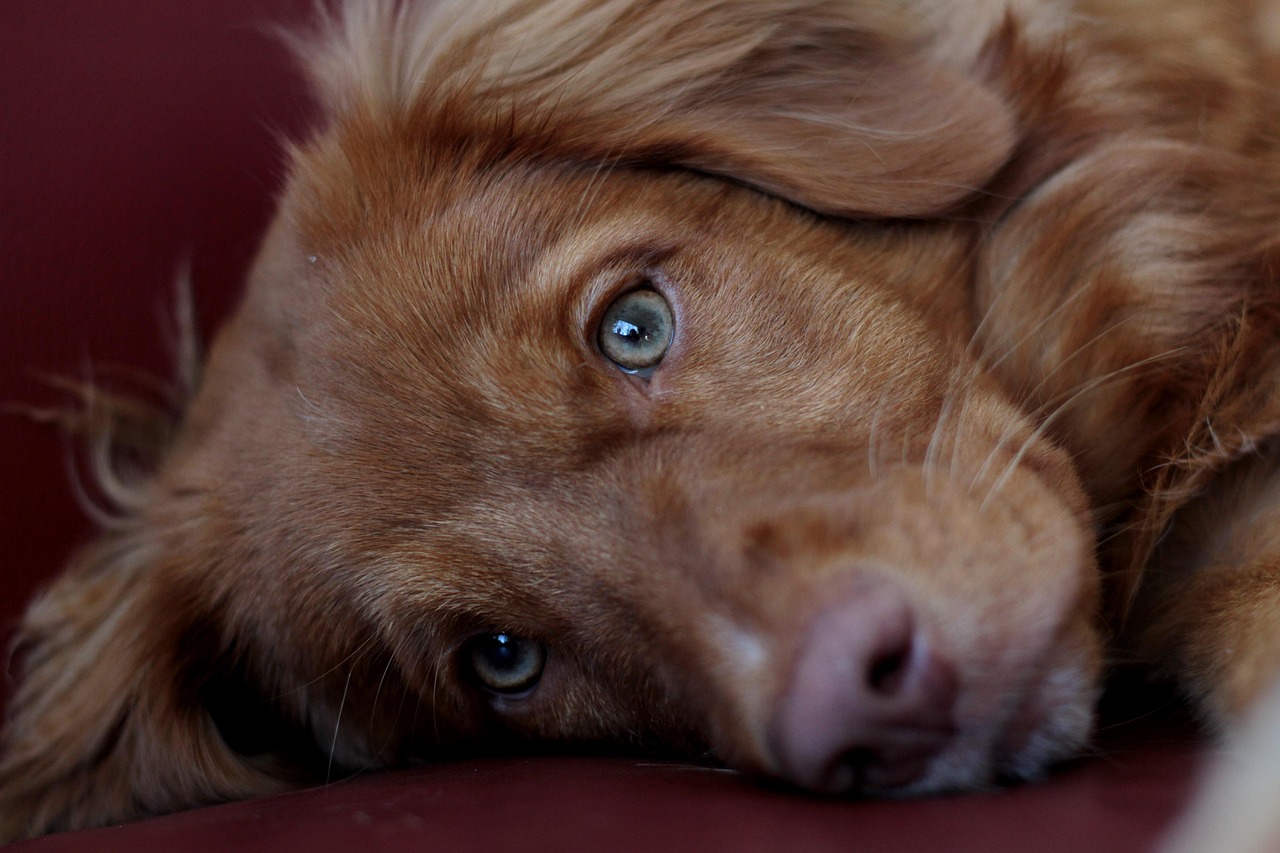

Signs Your Puppy Crate is Too Small
Understanding the signs that indicate your puppy’s crate is too small can significantly impact their comfort and development. Firstly, if your puppy frequently scratches at the door or seems anxious, this can indicate the crate lacks sufficient space. When a puppy cannot stand up, turn around, or lie down comfortably, it can feel confined and stressed. Moreover, if your pup consistently howls or cries when placed in the crate, it might be due to feeling cramped. Additionally, observe their body language; if you notice them attempting to curl up in a tight ball, this reveals discomfort with their space. It’s also crucial to ensure your puppy has enough room to stretch out. Puppies grow quickly, and what may have been an acceptable size initially might not suffice months later. Ensuring a proper fit while considering your puppy’s growth can lead to happier crate experiences. You could also measure their height and length in comparison to the crate’s dimensions, helping find a suitable one. Choose wisely to promote positive experiences and crate training success for your furry friend.
Signs Your Puppy Crate is Too Big
On the flip side, recognizing when your puppy’s crate is too large is just as important. A crate that is too spacious can hinder your puppy’s sense of security, making them feel lost within their space. If you notice your puppy prefers one corner of the crate to the rest, this discomfort may arise from excess space. Too much room can encourage your dog to eliminate inside the crate since puppies naturally avoid soiling their sleeping areas. Implementing a divider can help shape the space, making it manageable and allowing your puppy to grow into it. Furthermore, if your puppy displays signs of boredom, like excessive barking or whining, it could stem from feeling overwhelmed by the crate’s size. A crate should provide a snug environment, mirroring a den-like structure where puppies can feel safe and secure. Assessing the signs of a large crate assists in creating a perfect balance between comfort and security. Always consider your puppy’s breed and anticipated size to choose the best crate for your furry companion. This knowledge will ensure a healthy and happy crate training journey for both you and your puppy.
Monitoring Behavior in the Crate
Monitoring your puppy’s behavior while crated is crucial in determining whether their crate size is appropriate. A happy puppy will often exhibit relaxed body language, such as lying down comfortably or playing with a toy. If your puppy goes to the crate voluntarily and spends time there, it indicates a positive association with the space. However, keep an eye out for abnormal behaviors, such as excessive barking, pacing, or trying to escape; these signs indicate the crate may be too small or not the right environment for them. Additionally, watch their reaction during feeding time in the crate; if they seem disinterested or anxious, reassess the crate’s dimensions. Another helpful practice is to spend some time sitting near your puppy’s crate, using treats or toys to foster positive experiences. This can diminish stress and associate the crate with comfort and safety. Observe changes and progress after any adjustments made, ensuring your puppy has the ideal experience during crate training. Keeping track of behavioral patterns will help tailor the crate environment according to your puppy’s needs throughout their growth. Secure a safe space conducive to comfort and happiness.
Choosing the Right Crate Size
Selecting the correct crate size is essential for your puppy’s growth and wellbeing. Start by measuring your puppy from the tip of their nose to the base of their tail to determine an initial length. Then, measure their height from the ground to the top of their head while standing. Crate sizing also depends on the breed; for instance, larger breeds require more space, while smaller breeds may need compact crates. Many manufacturers provide sizing charts considering breed and weight, making it easier to pinpoint a suitable option. Always remember to choose a crate that allows your puppy enough space to stand up, lie down, and turn around comfortably. As your puppy grows, think about acquiring a crate with adjustable dividers. This adaptability allows for a growing puppy while maintaining an appropriate size. Regularly revisiting the crate’s size and suitability as your puppy grows is vital for comfort. Effective selection ensures that your puppy feels safe and happy during crate training, promoting better behavior and stress management. Ultimately, the right size allows for fulfilling crate experiences, enhancing your puppy’s overall comfort.
Adjusting Crate Environment for Comfort
Creating a comfortable environment inside the crate is just as crucial as selecting the right size. Adding soft bedding or blankets can help them feel cozy and secure, fostering a positive association with the space. Opt for washable materials as they may require cleaning after several use cycles. Including toys that are safe can amuse your puppy and distract them during crate time, reducing anxiety. An enticing chew toy could keep them busy while enhancing their mental stimulation. Also, try placing the crate in a quiet area away from loud noises, offering a serene space for your little companion. Avoid overcrowding the crate with unnecessary items, as clutter can contribute to anxiety. A clean, organized environment allows your puppy to focus on enjoying their time there. Additionally, monitor lighting in the area; a crate placed in a well-lit, sunny area may overheat. Striking the right balance between comfort and a cozy atmosphere can be achieved through thoughtful adjustments to their crate. Regularly reassess their crate environment, ensuring every aspect contributes positively to your puppy’s emotional wellbeing. Provide an inviting haven for your furry friend to thrive in.
Establishing a Crate Training Routine
Establishing a consistent crate training routine can significantly affect your puppy’s perception of their space. Puppies thrive on structure, and implementing a schedule will help them understand when it’s time to relax in the crate. Start with short time intervals, gradually increasing their crate time as they adjust. Ensure rewarding calm behavior with treats or praise to reinforce this positive association. Incorporating predetermined feeding times can also contribute to a smoother routine, allowing your puppy to associate crate time with mealtimes. Additionally, plan potty breaks to prevent accidents, which can disrupt the training process. Over time, they will learn when to expect crate time. Consistency is paramount; do not deviate from the established routines unless absolutely necessary. Such stability reduces confusion and anxiety, ultimately leading to better behavior. Pay close attention to their reactions and risk factors, making adjustments as needed to enhance training. Encourage positive experiences with gentle introductions to the crate. An effective and well-structured training routine will cultivate a loving relationship between you and your puppy, supporting better adjustment during crate training and boosting their confidence. Commit to a well-round training plan for optimum outcomes.
Final Considerations on Crate Training
Finally, always consider individual differences among puppies when crate training. Every puppy is unique, with diverse needs regarding crate size and comfort. Continually assess your puppy’s growth and behavior before making adjustments to their crate or its environment. Consult your veterinarian or a professional trainer for personalized recommendations designed to suit your specific puppy. Additionally, familiarize yourself with various crate options available, from collapsible models to more permanent fixtures. Careful evaluation of the choices available can aid in selecting the perfect crate for your puppy’s ongoing growth. Bear in mind that the ultimate goal of crate training is to foster a sense of security for your furry friend, not to punish or confine them permanently. Regular training sessions filled with love can transition your puppy into a well-adjusted adult dog. Emphasize positive experiences while helping them understand their crate is a safe haven. Always proceed with patience and consider the unique personality traits of your puppy, recognizing they may need more time for adaptation. Embracing these final considerations will ensure a joyful crate training experience for you and your beloved puppy, leading to lasting happiness and security.
Understanding the importance of crate training will pay off not only for your puppy’s happiness but also for your peace of mind in the long run. Ensuring the right crate size and environment can significantly reduce separation anxiety and behavioral issues. During training, create a positive atmosphere that encourages your puppy to love their crate. The journey may have its challenges, but with consistent monitoring and adjustment, you’ll find the best setup for your furry companion. Remember, the goal is to cultivate a relationship based on trust, leading to a stronger bond with your puppy. As you observe their habits and needs, adapt your approach to guarantee they truly feel at home in their crate. Celebrate the milestones achieved during training and remain patient through the process. Ultimately, a well-trained puppy will display confidence, and serenity while crate-trained. Providing a secure environment becomes the foundation for their social development and behavioral growth. Focus on the long-term benefits of crate training, which can lead to a more harmonious household. Your investment in these early days will create a more manageable and enjoyable experience as your puppy grows into a cherished member of the family.