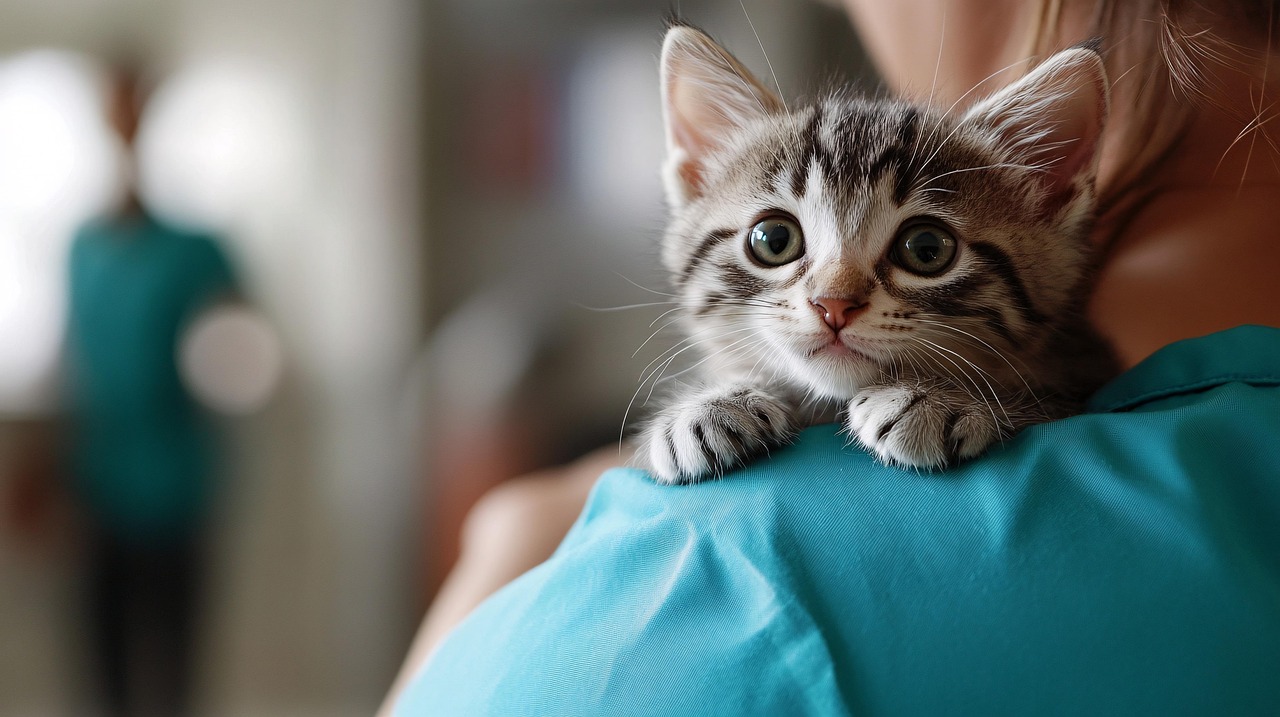

The Importance of Fecal Examination for Detecting Intestinal Worms
Understanding the necessity of fecal examinations for detecting intestinal worms in cats is critical for their health. Intestinal worms, including roundworms and tapeworms, are common parasites that can cause severe issues in feline companions. Regular fecal examination plays a significant role in diagnosing these infections early. Early detection is paramount since untreated intestinal worms can result in severe consequences. Cats may suffer from weight loss, lethargy, and even more severe health complications. Moreover, some types of worms can also be transmitted to humans, which poses a public health concern. This means that recognizing and treating the issue promptly not only protects your cat but also family members. The fecal examination process typically involves analyzing a stool sample for the presence of worm eggs or segments. It is a straightforward procedure that can be conducted during routine veterinary visits. A veterinarian’s insights will guide pet owners on how often their cat should be screened. Maintaining a proactive approach can drastically improve the quality of life for both the pet and their owners. Keeping your cat healthy starts with understanding the importance of these simple tests.
Early detection through fecal examinations can significantly shorten the lifecycle of intestinal worms. The implications of inaction are dire, as enlarged worm populations in a cat’s intestines lead to nutrient depletion. This process can lead to malnutrition and can hinder growth in young felines. It’s essential that cat owners remain vigilant for symptoms such as vomiting or diarrhea, even if occasional. However, many cats may show no symptoms, highlighting the importance of scheduled fecal tests. By staying ahead and conducting regular screenings, pet owners can avoid potential health crises. Consult your veterinarian to determine the best timeframe for fecal testing based on your cat’s lifestyle and potential exposure to parasites. Fecal tests are quick and generally inexpensive, presenting a great value. Not only do they safeguard the cat’s health, but they also provide peace of mind for their owners. It’s vital to understand the various types of worms that can infect cats, including roundworms, hookworms, and tapeworms. Each of these worms has different preventative measures and treatment protocols, thus requiring proper veterinary guidance. Responsible pet ownership involves being proactive about your cat’s health needs.
Common Types of Intestinal Worms in Cats
Various intestinal worms can affect our felines, each presenting unique challenges. Roundworms are among the most prevalent parasites. Cats can ingest roundworm eggs through contaminated food or soil. Once ingested, the eggs hatch into larvae that can cause serious gastrointestinal problems. The second common type is the hookworm, which attaches to the intestines and feeds on blood. This can result in anemia and severe health concerns if left untreated. Tapeworms are another type of intestinal parasite that often make their presence known through segments in the feces. They usually enter a cat’s system through consumption of infected fleas or rodent prey. These segments can be observed around the cat’s anus, often causing irritation. All these types of worm infections not only impact the cat but can also spread to humans and other animals. This makes fecal examinations not just crucial for pet health, but for family health as well. Ensuring proper diagnostic measures are taken regularly promotes a healthier environment for everyone. Educating pet owners on these parasites is essential in fostering responsible cat care practices and improving pet welfare.
When a cat tests positive for intestinal worms, a veterinarian will recommend a treatment plan tailored to the specific worm type. Deworming medications are available, and they work effectively in eradicating the parasites from the cat’s body. In conjunction with treatment, preventive measures must be established to avoid reinfestation. Owners should regularly check for fleas, as some worm types require fleas to complete their life cycles. Maintaining a clean and hygienic living environment is crucial, as worms can survive in feces left around your homes or yards. Regular cleaning and proper disposal of cat waste can significantly reduce the risk of reinfection. It is also essential to keep house cats confined and supervise outdoor access, especially during warmer months when parasite prevalence increases. Additionally, routine veterinarian visits are vital for overall health check-ups and parasite screenings. Promoting a routine vaccination program also assists in strengthening the cat’s immune system against potential infestations. Collaborating with your veterinarian ensures that all angles of intestinal worm prevention, detection, and treatment are effectively addressed. Ultimately, commitment and awareness are key to safeguarding your feline’s health against intestinal worms.
Preventive Measures for Cat Owners
Preventing intestinal worm infections in cats requires a multifaceted approach that begins with education. Being educated on the life cycles of these parasites enables owners to take appropriate actions. Investing in flea control products is a critical first step. Fleas are not just an irritant but also serve as carriers for tapeworms, making their control essential. Regular grooming and bathing can help identify fleas and ticks early. After that, it’s important to provide a balanced diet that supports overall health and keeps your cat’s immune system strong. Proper nutrition can help mitigate the effects of any potential infection, should it occur. Scheduling regular vet check-ups helps ensure ongoing monitoring for possible infections. Once a year, or as recommended by your veterinarian, is often adequate for routine fecal examination. Cat owners should also abstain from giving their cats raw or undercooked foods, as they can harbor parasites as well. Proper disposal of the cat’s waste indoors and outdoors reduces the chance of reinfection. Finally, educating family members about proper hygiene when handling pets becomes pivotal. Together, these actions form a comprehensive strategy to successfully avoid and manage intestinal worms.
Monitoring your cat for any signs of intestinal worms is a vital practice for feline health. Symptoms may include vomiting, diarrhea, abdominal discomfort, or unexplained weight loss. Some cats may emit a poor quality coat and show lethargy, further indicating potential issues. Persistent hunger can also be a symptom of an underlying worm infestation, as these parasites consume the nutrients intended for your cat. Observing these signs should prompt immediate scheduling of a veterinary appointment for fecal examination. After diagnosis, treating your pet promptly reduces complications and health risks. Regular follow-up appointments are recommended to ensure that the treatment worked effectively. Sometimes, repeat tests may be necessary to confirm that the parasites are completely eliminated. Relying solely on home remedies is discouraged; professional veterinary guidance is essential in developing a suitable treatment plan. Also, ensure that all pets on the premises are treated simultaneously to avoid cross-infections. Prompt action creates a healthier environment for your cat, strengthening its immune system. Basic awareness plays a significant role in recognizing when a cat might be at risk. It is an essential step for any responsible cat owner’s approach to maintaining their pet’s well-being.
Conclusion on Fecal Examination for Cat Health
In conclusion, the importance of fecal examinations for detecting intestinal worms in cats cannot be overstated. Regular testing serves as a proactive approach to safeguarding your cat’s health. These routine checks can help identify possible infestations early, leading to timely treatments. If left undetected, intestinal worms can have severe consequences not just for the cats, but also for the household at large. Engaging in preventive measures, such as maintaining a clean environment and practicing good hygiene, plays a critical role. Collaborating with your veterinarian to regular assessments ensures optimal care for your feline friend. The relationship between pet owners and veterinarians is pivotal for delivering the best possible healthcare to cats. Regular education for pet owners about the impacts of intestinal worms will increase awareness and motivate preventive actions. It is vital to stay informed about your cat’s health and recognize any signs of an infestation quickly. By ensuring adequate measures, cat owners can protect their furry companions and much more. Prioritizing your cat’s well-being also enhances the quality of life for both pets and owners alike, creating a happier and healthier home for everyone.
The Importance of Fecal Examination for Detecting Intestinal Worms
Understanding the necessity of fecal examinations for detecting intestinal worms in cats is critical for their health. Intestinal worms, including roundworms and tapeworms, are common parasites that can cause severe issues in feline companions. Regular fecal examination plays a significant role in diagnosing these infections early. Early detection is paramount since untreated intestinal worms can result in severe consequences. Cats may suffer from weight loss, lethargy, and even more severe health complications. Moreover, some types of worms can also be transmitted to humans, which poses a public health concern. This means that recognizing and treating the issue promptly not only protects your cat but also family members. The fecal examination process typically involves analyzing a stool sample for the presence of worm eggs or segments. It is a straightforward procedure that can be conducted during routine veterinary visits. A veterinarian’s insights will guide pet owners on how often their cat should be screened. Maintaining a proactive approach can drastically improve the quality of life for both the pet and their owners. Keeping your cat healthy starts with understanding the importance of these simple tests.