
The Impact of Age on Urinary Tract Disease in Dogs
As dogs age, they become more susceptible to various health issues, including urinary tract diseases. These conditions can cause significant discomfort and health complications if not treated promptly. Older dogs often exhibit symptoms differently than younger ones, which can make diagnosis challenging. Early recognition of signs such as frequent urination, straining, or blood in urine is crucial. It is essential for owners to monitor changes in their dog’s behavior and consult a veterinarian if any abnormalities are observed. Understanding the average age at which certain urinary tract diseases manifest can help pet owners, as preventative measures and treatments may vary based on the dog’s age. Regular veterinary check-ups play an important role in maintaining a dog’s urinary health. Owners should be aware that diseases like bladder infections, stones, and even tumors may arise as dogs age. Age-related hormone changes can also contribute to these issues, affecting both male and female dogs. Overall, staying informed on these potential health risks is vital for ensuring a long, healthy life for dogs experiencing aging-related challenges. A proactive approach will greatly benefit your dog’s well-being.
Age is not the only factor in the development of urinary tract diseases in dogs, but it plays a significant role. Moreover, different breeds may exhibit varying risks associated with age-related urinary conditions. For instance, smaller breeds are often more prone to urinary incontinence, especially as they reach their senior years. Research suggests that as dogs age, the muscle tone that supports the bladder deteriorates, leading to potential leaks. In older dogs, comprehensive assessments are necessary during veterinary visits to evaluate any kidney or bladder function. Diagnostics for urinary tract issues typically include urinalysis, ultrasound, or even x-rays, depending on the symptoms displayed. The urgency for intervention escalates significantly with age, as untreated conditions can lead to more severe health issues, such as kidney failure. Certain lifestyle changes can also help in managing urinary health. Increasing fluid intake, adjusting diet to reduce urinary crystal formation, and ensuring regular bathroom breaks are vital for older dogs. Understanding your dog’s breed and predisposition to urinary issues can aid in early detection and proper management. Educating oneself about these diseases can lead to better outcomes and improved quality of life for aging canine companions.
Common Urinary Tract Diseases in Older Dogs
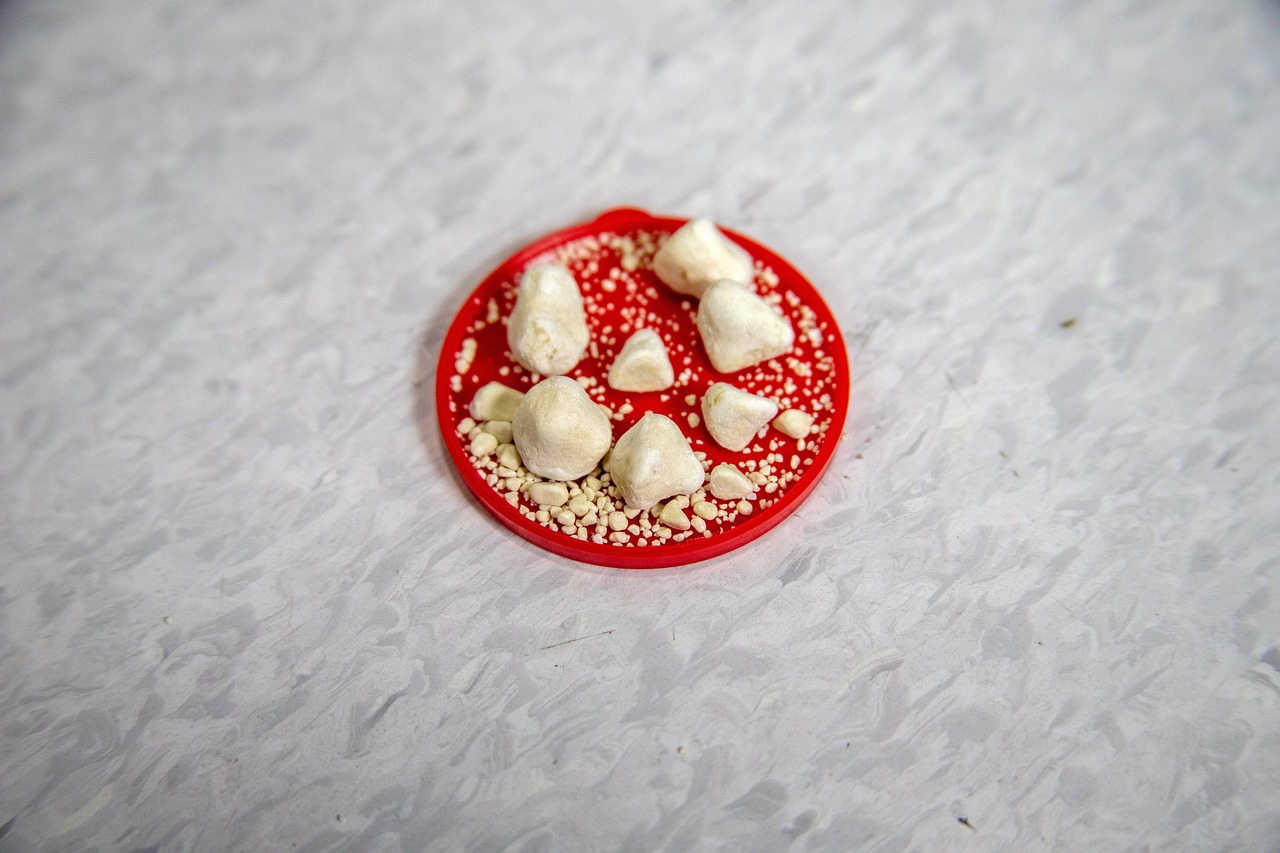
As dogs mature, they can encounter several urinary tract diseases that impact their health. Common conditions include urinary infections, bladder stones, and tumors, with infections posing significant risks. These diseases can drastically reduce a dog’s quality of life and lead to serious health complications if not identified promptly. Symptoms of a urinary infection might include excessive thirst, frequent urination, and discomfort when urinating. Lack of adequate treatment can lead to recurring infections, exacerbating kidney issues. On another note, bladder stones may form due to dietary choices and age-related metabolic changes. These stones can block urine flow, causing intense pain and necessitating surgical intervention. Regular veterinary check-ups assist in the early detection and prevention of these conditions, especially as dogs age. Owners should stay vigilant regarding their dog’s litter box habits, as changes in behavior may indicate underlying urinary tract issues. Additionally, older dogs are more likely to develop tumors, particularly malignant ones affecting their urinary system. Early diagnosis significantly enhances the chances of effective treatment, highlighting the importance of education surrounding these common diseases in senior dogs.
Preventative care becomes increasingly important as dogs age to ward off urinary tract diseases. A tailored approach to diet can help prevent infections and the formation of urinary stones in older pets. The right food promotes urinary health and supports overall wellness, reducing risks associated with age-related ailments. Feeding a well-balanced diet rich in important nutrients can influence a dog’s urinary system positively. Moreover, ensuring that your dog is well-hydrated can help flush out bacteria and prevent crystal formation, boosting urinary tract health. Regular exercise is also crucial, as it maintains a healthy weight and supports healthy urinary function. Talk to your veterinarian about the best exercise regimen and diet adjustments suitable for your dog’s age and breed. Additionally, consistent bathroom breaks reduce the likelihood of urinary tract complications. Be attentive to any changes in your dog’s behavior, as they may indicate discomfort or pain. Early intervention is key to treating urinary tract diseases effectively; hence, fostering open communication with your veterinarian aids in promptly addressing potential issues. Education about these diseases and ongoing support can greatly enhance quality of life for senior dogs navigating the challenges of aging.
Diagnosis and Treatment
Diagnosing urinary tract diseases in older dogs requires thorough evaluation and consideration of multiple factors. Veterinarians typically start by conducting a complete health assessment, which includes physical exams and a review of the dog’s medical history. Urinalysis is a common diagnostic method that detects abnormalities in the urine, indicating possible infections or other issues. Imaging techniques, such as ultrasound or x-rays, may also be employed for detailed examination of the urinary tract. Once diagnosed, treatment options may include antibiotics for infections, dietary modifications to dissolve bladder stones, or surgical procedures in severe cases. Medication may be prescribed to manage pain and inflammation, ensuring the dog’s comfort during the recovery process. In some situations, ongoing management might be necessary, especially for chronic conditions. Regular follow-ups provide critical updates on the dog’s health, allowing veterinarians to adjust treatment as needed. Additionally, pet owners should adhere to prescribed treatments, monitor dietary intake, and maintain holistic wellness practices for optimal recovery outcomes. Understanding the need for timely intervention helps improve prognosis and enhances overall well-being for aging canines facing urinary health challenges.
Moreover, preventive measures play a vital role in managing urinary tract diseases in aging dogs. Regular hydration helps dilute urine and flushes out pathogens, reducing the risk of infections. Providing easy access to water sources encourages drinking, especially in older pets. You may also integrate supplements that promote urinary tract health, such as cranberry extract, which is known to inhibit bacterial growth. Regular exercise stimulates proper urinary function and helps maintain a healthy weight, significantly affecting urinary health. Veterinary guidance regarding nutritional adjustments becomes crucial as dogs transition into their senior years. Addressing potential issues early can prevent complications, leading to happier and healthier lives for dogs. It’s also essential to create an environment that encourages timely bathroom breaks to prevent infections due to bladder overfilling. Being attuned to any unusual behaviors signals potential health changes, and timely veterinary visits should be prioritized. Ultimately, taking proactive steps now will pay off in the long run, safeguarding the health of your beloved furry companions. Comprehensive care can alleviate many age-related urinary tract diseases, allowing dogs to live comfortably as they navigate their senior years.
Conclusion
In conclusion, understanding the impact of age on urinary tract diseases in dogs is essential for caring pet owners. By recognizing the symptoms and being observant of changes in behavior, owners can facilitate timely veterinary interventions. As dogs age, they require heightened attention to their health, particularly regarding their urinary systems. Common urinary diseases significantly affect the quality of life, thereby emphasizing the importance of prevention and early treatment. Through regular check-ups, diet management, and a nurturing environment, pet owners can significantly enhance their dog’s likelihood of maintaining urinary health. Educating oneself about the various conditions that may arise as dogs age equips owners with the knowledge needed to provide care that aligns with their pet’s specific needs. Additionally, fostering open communication with veterinarians can ensure appropriate oversight and ongoing support for aging dogs. Remember, a proactive approach and timely actions can lead to better outcomes for urinary tract diseases, ultimately allowing dogs to enjoy their senior years free from pain. By prioritizing urinary health, owners contribute to the longevity and overall happiness of their esteemed canine companions.
Overall, being informed about the risks of urinary tract diseases in older dogs empowers pet owners to take action. In conducting regular health assessments, owners can help mitigate these issues effectively. Additionally, implementing lifestyle changes tailored to their dog’s unique needs can prevent various urinary health problems. Keeping a watchful eye on your dog’s behavior and physical condition provides essential insights into their well-being. Making necessary adjustments in diet, hydration, and exercise promotes a healthy urinary tract system. Paying attention to specific breeds also informs preventive measures, as certain breeds exhibit predispositions to urinary issues. Timely communication with veterinarians will greatly enhance the management of any developing conditions. By understanding the relationship between age and urinary tract diseases, owners can proactively safeguard their pets’ health. Providing love, care, and attention significantly contributes to the overall wellness and happiness of aging dogs. Commitment to maintaining urinary health ensures that dogs enjoy their later years with the utmost comfort and joy. Ultimately, nurturing these relationships will create lasting bonds and contribute to the overall happiness of both dogs and their beloved owners.