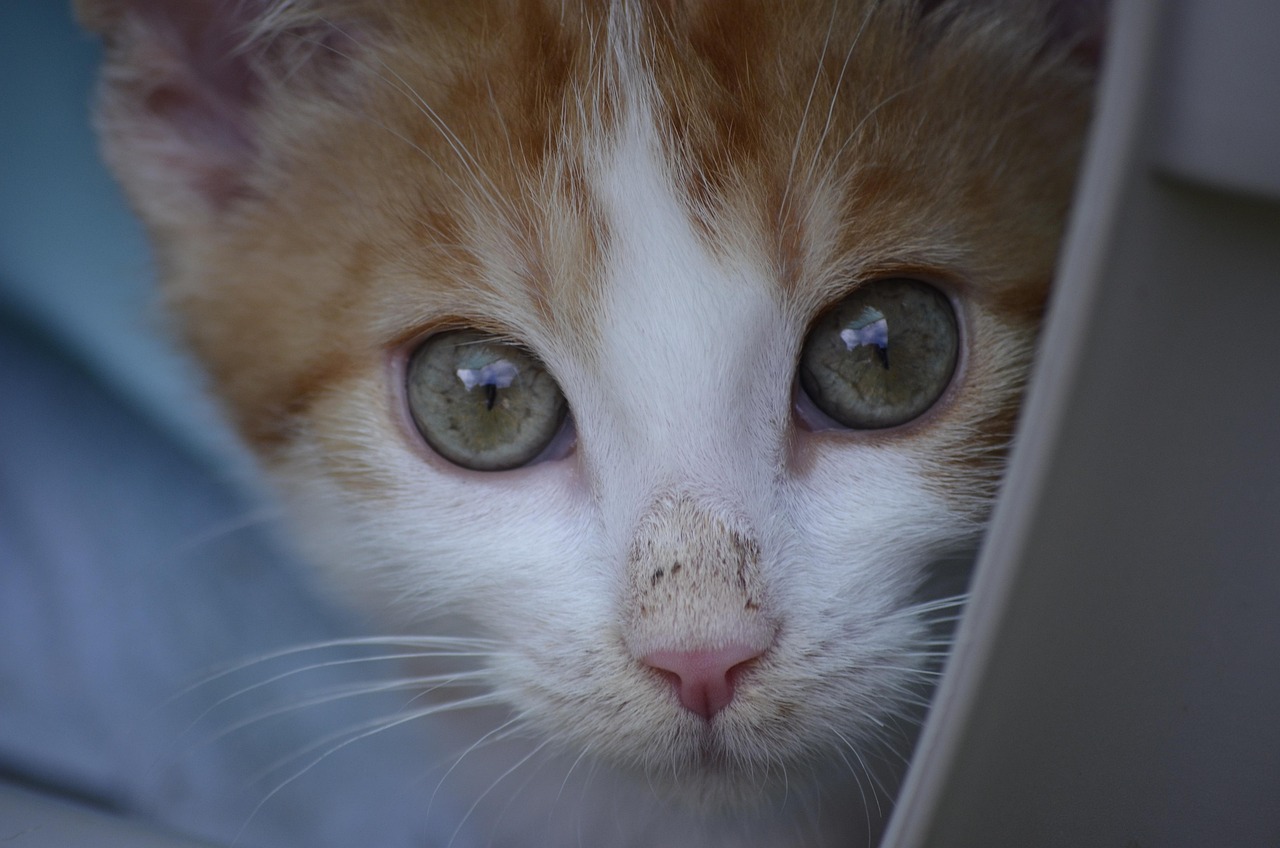

Future Trends in Cat Rescue Networking
Cat rescue efforts have evolved significantly over the years, reflecting a growing awareness of animal welfare, and changing societal attitudes toward pets. Embracing innovative technologies has become essential in creating efficient networks among shelters, adopters, and foster homes. One emerging trend is the integration of social media platforms to manage animal adoption processes more effectively. Connecting potential adopters with available cats not only enhances visibility but also allows real-time communication. Social media channels enable sharing stories that resonate deeply with audiences, encouraging many to foster or adopt. Moreover, these channels can promote educational content aimed at responsible pet ownership, fostering community support, and awareness. Additionally, mobile applications exploring features such as GPS-enabled pet catalogs can allow users to search or track available cats for adoption effortlessly. These apps can also provide updates on local cat events, enhancing community participation. Networking through technology not only saves time but can save lives by quickly matching cats with suitable homes. In aligning with local businesses for sponsorships and donations, shelters can foster stronger ties with the community, ultimately benefiting the rescue networks. Networking will evolve, making the rescue systems more effective and impactful.
Increased collaboration among cat rescue organizations is another significant trend we anticipate in the coming years. Organizations are beginning to realize that pooling resources and sharing knowledge can lead to improved outcomes for cats in need. By collaborating, shelter staff can share best practices, techniques, and experiences that enhance the overall efficiency of rescue efforts. Additionally, developing consolidated databases to track stray cat populations will better inform rescue strategies. Such collaborations can also extend beyond geographical boundaries, enabling a broader exchange of expertise across different regions or even countries. Creating a strong network among various organizations results in the better allocation of resources, fostering a more extensive safety net for abandoned cats. Moreover, networking can enhance fundraising efforts. By joining forces, different shelters can host joint events that attract more significant crowds, increasing community awareness about the importance of cat rescue and adoption. This behavior fosters a sense of unity and shared purpose within local communities. Rescuers can raise funds through shared online platforms, allowing them to reach wider audiences. With these collaborative approaches, the cat rescue community will become stronger, ensuring a brighter future for countless felines.
Technological Integration in Cat Rescue
Another promising direction for cat rescue networking revolves around technological integrations that help streamline the rescue processes. Advanced databases can serve as comprehensive resources for identifying available cats in shelters and fosters, increasing the chances of finding suitable homes. Implementing AI-driven algorithms can further enhance matchmaking between potential adopters and cats based on specific criteria, such as personality, size, and lifestyle compatibility. Utilizing these technologies can lead to life-saving outcomes, bridging the gap between rescues and those willing to adopt. In its essence, data-driven decision-making allows for targeted outreach, creating efficient marketing campaigns aimed at individuals who are more likely to engage in rescue efforts. Additionally, integrating telehealth services will cater to the welfare of cats before and after adoption. By providing accessible veterinary consultations, these services can reduce the burden on already stretched resources in local shelters. Likewise, fostering relationships with pet supply companies to offer discounts to adopters can facilitate initial expenses. Networking digitally can not only reach more individuals but also streamline interactions that lead to successful adoptions, creating a holistic ecosystem in which every effort contributes to improving the quality of life for rescued cats.
Community Engagement and Awareness
Community engagement plays a crucial role in cat rescue networking, and its importance cannot be overstated. Educating the public on the responsibilities of cat ownership creates a more compassionate society for all animals. Hosting awareness programs, workshops, and events allow shelters to connect with potential adopters and inform them about the plight faced by stray cats. In essence, sharing compelling cat rescue stories can create a deeper emotional connection with the community, motivating them to get involved. Local businesses can support this endeavor by sponsoring events or providing venue spaces that help promote educational initiatives. Furthermore, implementing volunteer programs enables community members to actively participate in rescue efforts. From fostering rescued kittens to assisting with outreach campaigns, volunteers create valuable connections, strengthening community ties. Online platforms can serve as interactive spaces where people can share their experiences and connect with other cat lovers. Creating group activities, such as community cat count days or fundraisers with activities for families, further incentivizes local participation. By fostering a sense of belonging and shared purpose within these networks, we can collectively strive for a future where every cat finds a loving home.
Pet rescue organizations may increasingly pursue partnerships with local governments and veterinary clinics, thus shaping future networking approaches in cat rescue fields. Collaborating with local authorities ensures that cat rescue organizations are aligned with animal welfare policies and regulations that can benefit their missions. Implementing trap-neuter-return (TNR) programs under municipal partnerships helps control stray cat populations and create healthier communities for both residents and animals. Communities that engage in effective TNR programs can see reduced nuisance complaints while enhancing the quality of life for feral cats. Moreover, creating partnerships with veterinary clinics can improve access to necessary medical care for rescued cats. This collaboration can provide lower-cost veterinary services and promote wellness programs for cats entering shelters. Additionally, such partnerships often facilitate joint fundraising efforts, allowing both cat rescues and clinics to benefit from widespread community participation. More balanced networks arise when organizations align with clinics focused on low-cost spay/neuter initiatives, helping break the cycle of overpopulation. By uniting resources and expertise, the future of cat networking will undoubtedly transform the landscape for rescued cats, leading to healthier outcomes for populations in need.
Research and Data Sharing in Networking
Research data will play a pivotal role in the future of cat rescue networking, ensuring that effective strategies are developed and implemented. By analyzing trends through research, organizations can identify which methods yield the best outcomes for cat rescues. Data should be shared openly among shelters and organizations, fostering a culture of transparency and continuous improvement. Gathering information regarding cat adoptions, outcomes, and rescues will enable organizations to evaluate their practices critically. Surveys and community feedback can also provide valuable insights into how to improve outreach and adoption policies. By investing in the collection and analysis of this data, organizations can develop innovative programs tailored to specific community needs. Implementing an online hub for research findings will facilitate knowledge-sharing and collaboration among various stakeholders in cat rescues. Furthermore, partnerships with universities conducting research on feline welfare can bring in new perspectives, seeking ways to enhance the overall quality of life for cats. As awareness develops around the importance of data in rescue efforts, both network engagement and collaboration become paramount, ensuring that more cats receive the help they need.
Looking ahead, enhanced networking strategies will focus on diversity and inclusivity within cat rescue efforts. Ensuring that underrepresented communities have equal access to resources, knowledge, and support is vital as we strive toward an equitable future in cat rescue. Shelters will need to engage in outreach programs that foster inclusivity and build trust among diverse populations. Creating multilingual resources ensures that information reaches all members of the community, promoting responsible pet ownership across demographic lines. Additionally, forming partnerships with minority-led organizations can create more targeted outreach efforts while empowering these communities. Involving culturally relevant practices aligns with effective strategies for changing perceptions about cat welfare and rescue. Efforts can also extend to educational programs in schools targeting youth, raising awareness around cat care and fostering compassionate attitudes. By promoting inclusivity as a foundational element of networking, shelters can make strides in their missions while building lasting relationships with diverse communities. Ultimately, equity in networking will provide better support systems for cats in need, paving the way toward more effective rescue operations and healthier feline futures. Together, we can build a strong network that represents the interests of all.
Concluding Thoughts on Networking
Future trends in cat rescue networking indicate a transformative path filled with opportunities to enhance the lives of countless cats. As organizations embrace collaboration, technological integration, community engagement, research, and inclusivity, the overall impact for rescued cats will be profound. By fostering synergistic relationships with various stakeholders—from local governments to businesses and veterinary clinics—we can create a sustainable ecosystem for cat welfare. Enhanced networking strategies will enable programs to address the complex needs of feline populations, ensuring efficient resources and supportive systems are in place. Adopters and community members will increasingly participate through strengthened outreach efforts and educational initiatives. As data sharing becomes central to these networks, we can continuously evaluate and adapt our rescue practices, ensuring our efforts are both effective and relevant. Service facilitators can better allocate resources to high-impact areas, reaching out to the most urgent needs and finding loving homes more quickly. The power of connection will ultimately resonate throughout the cat rescue community, fostering a more coordinated effort that benefits every life in need. Through these combined efforts, we can look forward to a future where every cat has the chance to thrive in loving homes.