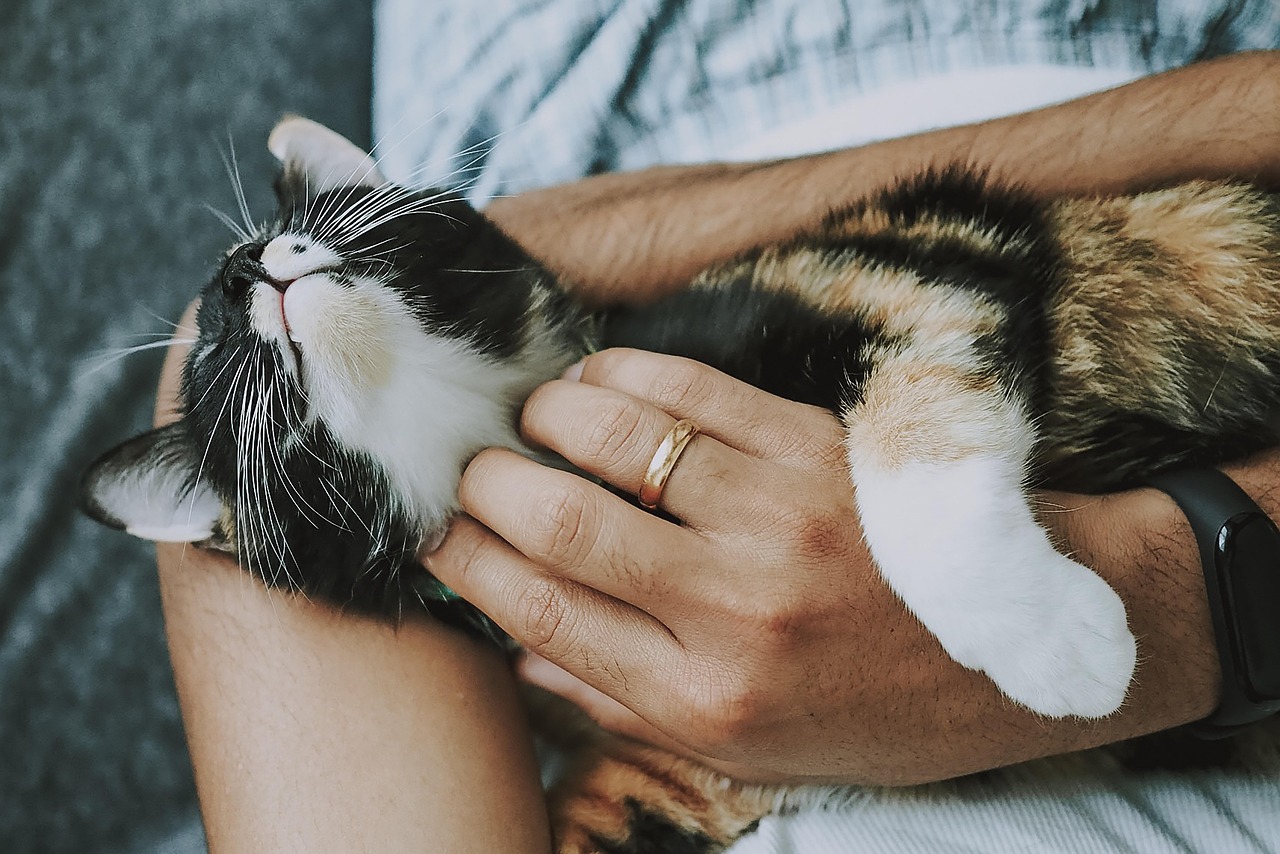

Promoting Healthy Gums in Older Cats
As cats age, dental care becomes increasingly critical. Senior cats, in particular, face a higher risk of periodontal disease, which can affect overall health. One primary reason for gum health issues is plaque buildup, which hardens into tartar if not managed. Regular dental check-ups are essential for older cats to identify problems before they escalate. Owners should also check their senior cats’ mouths regularly for signs of red or swollen gums. Good dental hygiene starts at home, including brushing their teeth regularly with cat-approved toothpaste. Incorporating dental-friendly treats can also promote healthy gums by helping to reduce plaque and tartar buildup. Additionally, providing chew toys can facilitate this process by promoting gum stimulation and cleanliness. It is worth mentioning that some cats may not like having their teeth brushed, so gradual acclimatization is vital. If teeth brushing seems impossible, consult your veterinarian for alternative choices such as dental wipes or water additives. The key is consistency in care to maintain gum health, preventing pain and discomfort for our beloved companions.
Being attentive to your senior cat’s eating habits can yield insights into their dental health. If you notice your cat avoiding certain foods or showing hesitance while chewing, this could indicate oral discomfort. Painful gums or loose teeth can significantly affect their appetite. Ensuring that your cat’s diet is suited to their dental condition is vital. Softened or wet food may ease the feeding process for senior cats with dental issues. Additionally, incorporating food rich in essential nutrients helps support overall health. A cat’s hydration is equally important; stale breath or dehydration may signify underlying dental issues. Providing fresh water daily encourages them to stay hydrated, assisting oral health. Keeping their water bowl clean and ensuring it is easily accessible will aid proper hydration. Using elevated bowls can also make eating more comfortable, preventing the strain that sometimes comes with age-related concerns. Furthermore, consider discussing your cat’s specific nutritional needs with your veterinarian, who can recommend specific formulas. Overall, observing and adapting their diet promotes both dental care and overall health in senior cats.
Regular Vet Check-ups
Scheduling regular veterinary check-ups becomes imperative as your cat ages, emphasizing preventive dental care. A vet can offer professional cleaning and comprehensive dental examinations to pinpoint potential problems. Many vets suggest semi-annual dental evaluations for senior cats, providing owners with thorough insights into their feline’s oral health. During these visits, a veterinarian will utilize specialized tools to clean cat teeth safely and effectively, removing plaque and tartar that may have accumulated. They can also detect signs of gum disease, tooth decay, and other issues that may require treatments. Furthermore, dental X-rays can reveal problems beneath the surface that are not easily observable. If serious issues are present, your vet may recommend additional procedures, such as teeth extraction or professional cleaning under anesthesia. Early intervention is paramount in preventing more significant health issues later on. Remember that oral health can influence overall well-being, impacting vital organs like the heart. Engaging in proactive dental care at the vet fosters a long, healthy life for your senior cat.
Incorporating dental treats and toys into your senior cat’s routine offers additional assistance for maintaining healthy gums. Several products on the market target dental health by promoting chewing. Dental treats designed for plaque control can actively support gum health while providing enjoyment to your cat. Chew toys can encourage natural chewing and help grind down plaque. Regularly engaging your cat with such toys creates an entertaining way to enhance their oral routine. While selecting these items, ensure they are appropriately sized and made of safe materials. Some cats prefer softer textures, while others may enjoy firmer chew toys. Observing your cat’s behavior will guide you to which products are most effective for them. Additionally, select only those products that have proper endorsements from veterinarians, ensuring their effectiveness and safety. Following the recommended usage of these dental products will add a beneficial layer to their care. The aim is to blend treatments with fun, so your cat remains engaged, making dental care less of a chore and more of a natural part of their daily habits.
Understanding Signs of Dental Issues
Being knowledgeable about potential signs of dental problems in senior cats enables early intervention. Common indicators of dental issues include bad breath, excessive drooling, or difficulty eating. If your cat begins to show signs of discomfort while biting, it may be time for a veterinary evaluation. Observing changes in behaviors, such as increased aggression or withdrawal, can also be related to oral pain. Immediately consulting a veterinarian at this point is crucial for managing your cat’s health effectively. Additionally, check for gum decay, which can lead to more severe issues if left untreated. Another sign to be conscious of is a tendency to only consume softer food, hinting that it may be too painful to chew harder items. Regular monitoring and clear communication with your veterinarian will equip you with the knowledge to provide the best dental care for your cat. In summary, staying alert to changes in eating and social habits enhances the likelihood of recognizing dental issues early on, promoting a healthier and happier life for your older cat.
Providing a comfortable home environment is essential for supporting your senior cat’s overall well-being and dental health. Stress can exacerbate health issues, including those affecting the gums. Ensure your home is free from stressful stimuli by offering hidden spaces where your cat can feel secure. Creating a calm atmosphere fosters relaxation, which is beneficial for overall health. Routinely cleaning their living space also contributes significantly toward reducing bacteria and promoting good oral health. Fresh bedding and cleanliness in common areas where your cat spends time prevent the buildup of unwanted bacteria. In addition, consider enhancing their environment with interactive elements or perches designed for older cats. Elevating play can engage their natural instincts, offering mental stimulation while simultaneously promoting physical activity. For senior cats that prefer less activity, gentle interaction like brushing can bolster your bond while also promoting relaxation. Engaging with your cat in beneficial ways encourages them to maintain interest in their surroundings, which can have a positive effect on their oral health and psychological well-being. A holistic approach benefiting both body and mind can streamline dental care into everyday life.
Conclusion
Pursuing dental care for senior cats requires commitment and awareness, ultimately enhancing their quality of life. Recognizing the significance of healthy gums as a vital component of overall health is critical. Implementing strategies such as regular vet visits, effective dietary choices, and interactive care options will play a crucial role in promoting their well-being. Staying alert to signs of potential dental issues and employing preventative measures consistently is key. Owners should also consider the preferences and comfort levels of their cats while determining their dental care routine. Regular follow-ups with your veterinarian can guide the overall approach to maintaining their dental health. Creating an environment that supports their dental care efforts while ensuring contentment will elevate your senior cat’s life. Everybody benefits when our feline friends are both happy and healthy; thus, a stable dental regimen promotes love and well-being in our companionship with cats. By prioritizing dental health, your senior cat will enjoy their golden years with fewer dents in their happiness and fewer discomforts in their daily lives.
By implementing the above practices and fostering a supportive atmosphere, you contribute significantly to your senior cat’s comfort. Proper dental care remains an investment in both their happiness and quality of life. The information shared highlights the multi-faceted approach required for achieving optimal dental health. From dietary considerations to interactive engagement, all aspects work together to promote their well-being. Your commitment as a caregiver, fostering understanding and care related to oral hygiene, provides your pet with a strong foundation for their golden years. Investing time in their dental needs is investing in their future. Ensure that consultations with a vet remain a priority in your annual schedule, making room for constructive strategies that will benefit your cat immensely. Additionally, make dental health discussions a routine aspect of your veterinary visits to stay informed about the latest recommendations. Enthusiastic engagement and recognition of your cat’s individual needs will ultimately shape their overall happiness. Anticipate the wonderful moments spent with your senior friend, ensuring they continue to experience an enjoyable, healthy life filled with vibrant companionship.