
Top 10 Must-Have Shots for Your Dog Photography Portfolio
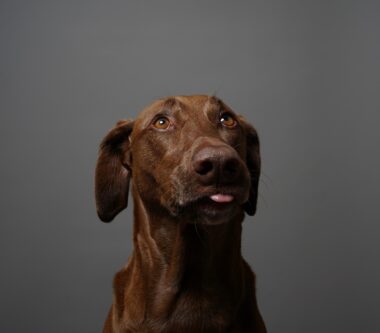
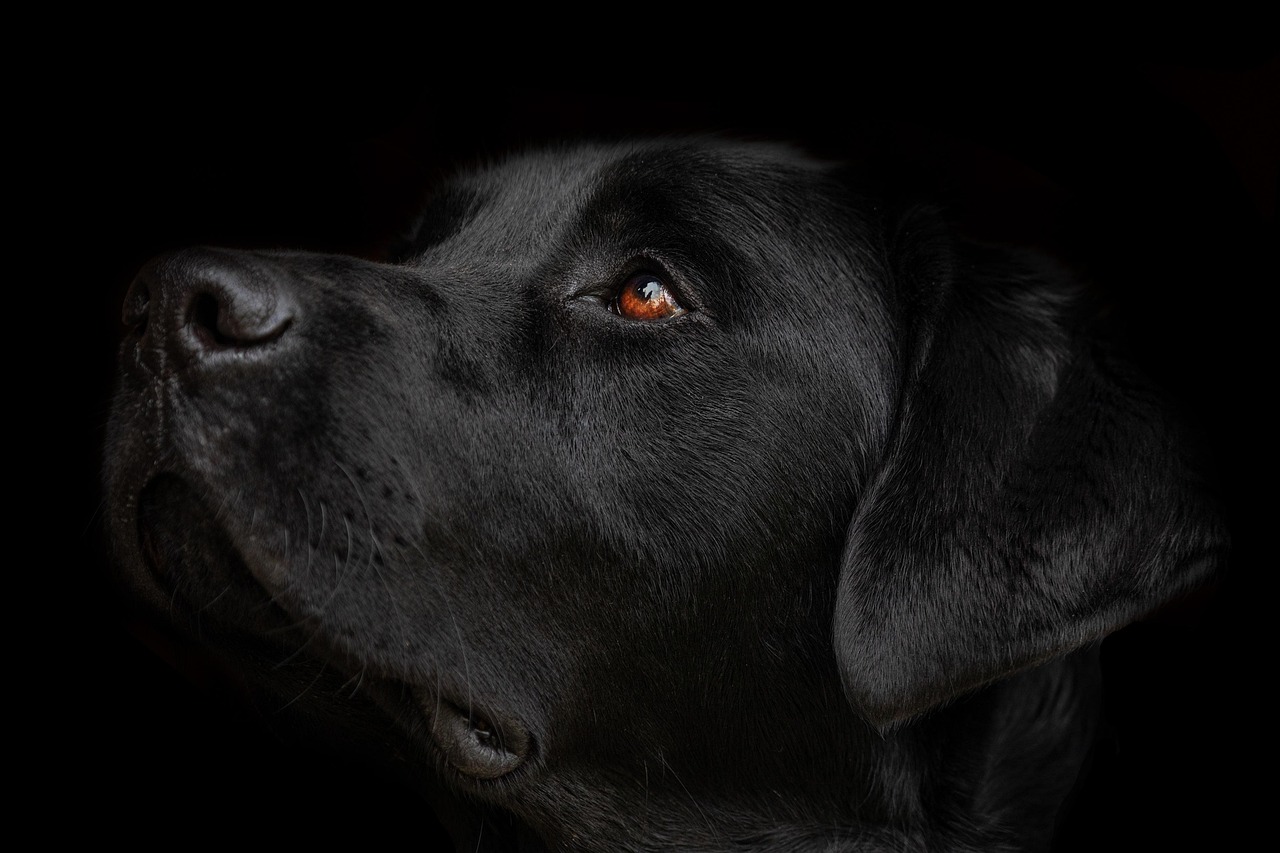
Creating a stunning dog photography portfolio requires a variety of compelling shots that capture the personality and beauty of our canine companions. To start off, the classic portrait shot is an essential. This could be a close-up of a dog’s face with its expressive eyes, showcasing the breed’s unique features. Follow this up with a playful action shot, whether it’s fetching a ball or playing with a favorite toy, to highlight their energy and spirit. Another category, environmental portraits, shows dogs in their natural settings, whether at the beach or in a field. Don’t forget to capture a candid moment that conveys the dog’s personality during everyday activities. The black and white shot also packs emotional depth, making expressions more profound. Ideally, your portfolio should include a group shot featuring dogs of varying sizes and breeds; this can showcase your versatility. Including seasonal themes, like winter fun or summer adventures, can add color and freshness to your work. Finally, ensure to add some paw-close-ups to capture the intricate details of their paws.
The next critical aspect is to invest time in training your subjects. A well-trained dog is easier to photograph since they can follow commands and pose comfortably. Consider using treats or toys to guide them during shoots. It often helps to familiarize them with the camera, so they regard it as a positive experience rather than something scary. For triggering natural expressions, feel free to engage them with playful conversations or make sounds that will get their attention, allowing for that perfect moment. When photographing, ensure the dog’s eyes are sharp; this brings life to your images. Experiment with different angles and perspectives depending on the shot. Whether you shoot from above, at dog-level, or shooting through grass, these methods provide diversity in your portfolio. Furthermore, capture a unique angle shot that highlights specific features of their breed, such as floppy ears or deep-set eyes. Having such a varied approach makes your portfolio stand out. Also, ensure you balance the backgrounds; a distracting background can detract from the subject. Use bokeh techniques to keep focus on your subject.
Pet Photography Techniques
Onward, it’s invaluable to equip yourself with some essential photographic gear. Invest in a high-quality lens, such as a wide aperture lens, which allows for beautiful depth-of-field effects, especially in portraits. Using a fast shutter speed helps to freeze action shots, so your subject remains sharp and clear, even in mid-movement. If possible, a camera that performs well at high ISO settings will ensure you’re ready for low-light conditions when shooting indoors or at dusk. Don’t underestimate the importance of a sturdy tripod; this will assist in capturing clear and crisp images. Moreover, a sturdy harness can significantly help maintain control during outdoor shoots, ensuring both the dog’s and your safety. Additionally, take good advantage of natural light; ideally, shoot during golden hour—early mornings or late afternoons—when the sunlight provides a soft and flattering glow. Flash can often be harsh and unflattering to animals. Finally, playing with colors can evoke different emotions; adjust your camera settings accordingly to suit the scenario. Remember, the goal is to capture not just the dog’s physical appearance but its personality too.
Next, consider post-processing techniques as they play a vital role in enhancing your photos. Learning the essentials of editing software, like Adobe Lightroom or Photoshop, will take your portfolio to the next level. Begin with essential tasks such as cropping for better composition or adjusting brightness and contrast to make the image pop. Pay special attention to color correction to maintain the natural hues of the dog’s coat while ensuring all colors are enticing. Removing distractions from the background and subtle sharpening can help elevate your image quality immensely. Adding some filters or presets can help develop a consistent style across your portfolio. Consistency in your editing style sends a clear message about your brand as a photographer. Also, explore creative edits like black and white conversions and artistic effects, but use them sparingly to maintain realism. Review each image and treat it as unique art you want to showcase, prioritizing quality over quantity. Always remember to save a backup of your original images. The editing stage is just as essential as capturing the images in the first place.
Marketing Your Photography
Once you’ve amassed a collection of stunning shots, it’s time to focus on showcasing your work. An online presence is crucial, beginning with a professional website to serve as a portfolio. You can use user-friendly platforms like WordPress or Squarespace to build an appealing site where visitors are welcomed to view your photography. Emphasize high-quality images and easy navigation. Engaging your audience through social media platforms is another effective way to promote your portfolio. Share your best shots on Instagram or Facebook, using relevant hashtags to connect with potential clients. Regularly post behind-the-scenes content to showcase your process as this builds engagement and trust. You could also explore the idea of creating a blog section to discuss dog breeds, photography tips, or dog care, establishing yourself as an expert in the field. Additionally, consider participating in pet events or exhibitions to gain exposure. Networking with local pet businesses can provide mutual benefits. And always ask satisfied clients for testimonials; positive feedback can significantly enhance your reputation.
In conclusion, curating a dog photography portfolio demands a diverse collection of images that portray not just the dogs’ physical beauty but also their personalities. From traditional portrait shots to capturing candid moments, each image should tell a story. Remember to incorporate a variety of settings, including both indoor and outdoor environments with interesting backgrounds. Ensuring you are observant and patient, waiting for spontaneous moments, can yield fantastic results. Additionally, using the right equipment and techniques can help enhance your photography results significantly. Be sure to continually refine your editing skills to develop a cohesive look across all your images. Throughout the process, don’t neglect the importance of promoting your work. By marketing effectively, you can attract clients who resonate with your style. Be open to collaboration; sometimes, working with fellow photographers can give fresh perspectives. Lastly, keep honing your craft by practicing regularly and seeking feedback. Dive into your dog photography journey with passion, and enjoy every moment spent capturing the joy these furry friends bring to our lives.
Final Thoughts
Your dog photography portfolio can become a powerful tool to showcase your skills and attract clients. By considering various essential shots, techniques, and marketing strategies, you’re building not just a gallery but a representation of your unique artistic voice. Focus on quality while collecting your images and let your signature style shine through each shot. Whether it’s the energy of a moving dog, the tranquility of a resting pup, or the joy during playtime, conveying these attributes will engage viewers. Always strive for balance, including various experiences and backgrounds in your portfolio. Prioritize showcasing both candid moments and posed portraits, as each tells a different story. Engagement with the community through social media and events can open doors, turning hobbyists into professional photographers. Over time, listen to the feedback and improve continuously. It often takes patience and persistence to establish yourself in the dog photography niche, but the reward is worthwhile. Embrace creativity, stay passionate, and remain dedicated to your vision. Soon, you will see your photography portfolio becomes a testament to your dedication to capturing the beauty of dogs.
In your journey as a dog photographer, consistency is key. Build your unique style and ensure every photograph aligns with that vision. It might take time to develop a cohesive direction, but as each new shot reinforces your brand, your confidence will grow. Also, remain adaptive; trends in photography and social media evolve, and staying informed helps keep your work relevant. Use your portfolio to not only showcase your best images but also tell a story about the dogs you love. Embrace every challenge you encounter, as they will only contribute to your growth. Keep networking with other pet professionals, as they can provide valuable feedback and may open collaborative opportunities. Also, don’t forget to enjoy the journey! Capturing photographs of dogs is an incredible way to engage with these joyful animals and the people who love them. Be patient with your work, seek improvement, and allow your passion to shine through. Ultimately, your dedication to creating beautiful images will be reflected in your portfolio, attracting clients who appreciate your artistry in dog photography.