
Understanding Target Commands
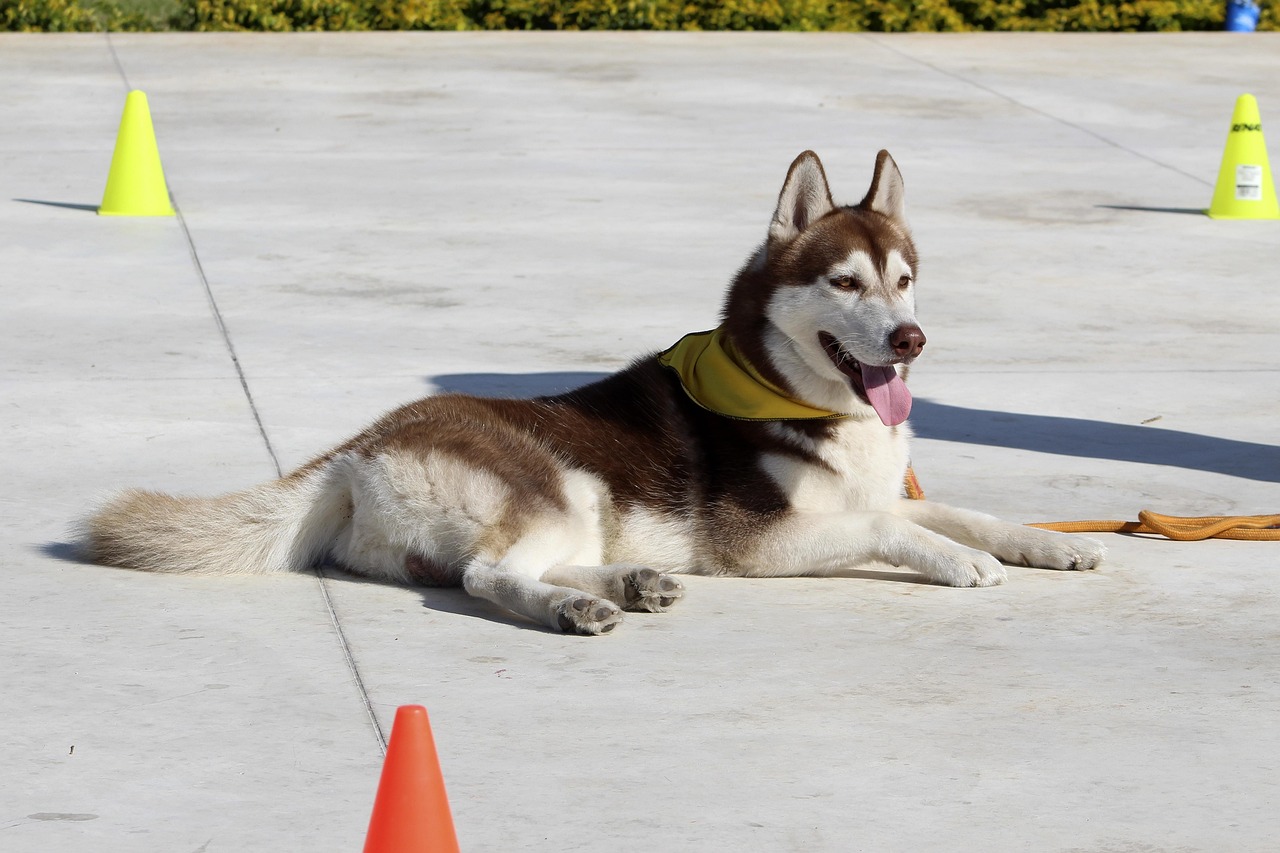
Target commands are essential training methods that help dogs understand specific behaviors. The core principle revolves around guiding your dog to focus on a target. This could be your hand, a stick, or a toy. Training with target commands can enhance communication and strengthen the bond between dogs and their owners. The method involves rewarding your dog with treats or praise when they successfully follow the target. Such positive reinforcement encourages dogs to repeat the desired actions. It’s important to keep the environment distraction-free at first. Gradually introduce more distractions as they master the basics. Using visual aids like colored cones can also assist in the training. Make sure to choose a target that is easily recognizable to your dog. Always use a consistent command, tone, and hand signal to strengthen their understanding. Remember to keep training sessions short yet engaging, as dogs have varying attention spans. Whether you are teaching basic commands or advanced tricks, target commands serve as a foundational technique in shaping your dog’s behavior successfully. They ultimately lead to a well-trained pet that understands and enjoys learning.
Incorporating Target Commands into Training Routine
To effectively incorporate target commands into your dog training routine, begin with a structured approach. Set aside specific times during the day for training sessions, consistently dedicating them to reinforcing target command skills. Gradually introduce the command at home where there are fewer distractions, which helps your dog focus. Use high-value treats that your dog loves; this will motivate them to engage in the training. Start by presenting the target close to your dog’s nose and encouraging them to touch it. When they successfully make contact, offer praise along with a treat. Over time, increase the distance between the target and your dog, encouraging them to move towards it. Repeat this process until your dog confidently understands the target command. It is crucial to avoid frustration during training sessions, so be patient with your dog. If they seem confused, try simplifying instructions or adjusting the target to a more recognizable position. Incorporate fun games revolving around target commands like hide-and-seek to keep training exciting. Regular practice will help reinforce the skills learned and strengthen the dog’s responses.
Common Issues Encountered
Several common issues can arise when using target command methods with your dog. The first major concern is lack of engagement. Some dogs may not show interest in the target, making training challenging. If this occurs, consider switching to more appealing targets or rewards. Another problem might be the dog’s lack of focus due to distractions in the environment. To overcome this, start training in quieter areas before gradually introducing more stimuli. Inconsistent commands can also confuse dogs. Ensure everyone involved in training uses the same command words and signals to prevent misunderstandings. Additionally, dogs may struggle with over-excitement or anxiety during training, leading to difficulty concentrating. If this happens, take breaks and allow your dog to calm down. Instead of lengthy sessions, opt for short 5-10 minute intervals that maintain your dog’s interest. Lastly, ensure that the training methods suit your dog’s breed and personality. Different breeds may respond better to different techniques. By recognizing and addressing these common issues, you can enhance the effectiveness of target command training.
Measuring Progress in Target Commands
Measuring progress is an integral part of ensuring your dog is successfully learning target commands. One effective method involves keeping a training journal. Document each session’s activities, noting your dog’s responses. This allows you to track progress and identify areas needing improvement. Additionally, use a timer during training, noting how quickly your dog responds to the target command. Recording the time taken can provide clear indicators of learning. Take video recordings of your training sessions to analyze your dog’s performance. Observations can reveal if the approach is working or if adjustments are necessary. Set achievable milestones, such as your dog moving to the target five times in a row correctly. Celebrate these accomplishments with treats or extra playtime. Regularly reviewing progress gives you insight into your dog’s learning curve. If improvement stalls, consider consulting with a professional trainer for additional strategies. It’s vital to maintain realistic expectations. Each dog learns at their own pace; patience and consistency are crucial in the training process. Emphasizing positive reinforcement and keeping training enjoyable promotes the best outcomes.
Advanced Target Command Techniques
Once your dog masters basic target commands, you can introduce advanced techniques for more complex behaviors. Building on the original target command, consider expanding tasks by pairing it with other commands, such as ‘sit’ or ‘stay.’ This encourages multi-step actions, reinforcing your dog’s learning capacity. You could introduce various targets, using different objects for varied commands. Practice retrieving items or even herding a specific toy. The use of barriers can also increase challenge. For instance, have your dog navigate to a target around obstacles, developing agility and mental sharpness. Incorporating target commands in games enhances engagement; set up an obstacle course where your dog must target specific points throughout. Regularly switching targets and commands keeps the training fresh and stimulating. Be attentive to your dog’s body language to ensure they’re enjoying the challenge. When your dog successfully learns advanced techniques, reward them with lavish praise and their favorite toys. Consistent professional training courses can provide additional resources and ideas for advanced command training. Adapting your teaching methods to your dog’s learning style will ultimately maximize their potential progress.
Understanding the Benefits of Target Training
The benefits of implementing target training methods extend beyond merely teaching commands; they also promote bonding, discipline, and mental stimulation for your dog. Target training cultivates a stronger connection between you and your dog through interactive learning experiences. This collaborative effort results in mutual respect and understanding. Additionally, targeting commands serve as a fantastic way to channel energy productively. Targeting offers mental stimulation essential for your dog’s overall happiness. Many dogs exhibit behavioral problems due to pent-up energy; target training encourages focused activity as a creative outlet. Furthermore, the method enhances your dog’s problem-solving skills. By learning to seek out a target, your dog develops critical thinking abilities. It can also improve their confidence levels as they successfully complete tasks. Regular practice helps dogs acquire a variety of commands, leading to improved communication with their owners. Notably, strong target training foundations often translate into success in other training areas as well. As your dog learns and grows, the skills acquired through target training methods will undoubtedly contribute to a well-rounded, obedient pet.
Conclusion on Target Command Methods
In conclusion, target command methods offer a plethora of benefits and insights into effective dog training. Understanding how to utilize these techniques can significantly improve communication and cooperation between you and your dog. By consistently applying positive reinforcement, maintaining focus in training, and adapting to your dog’s learning progression, you can create a fulfilling training experience. Be proactive in addressing common issues while tracking your dog’s progress effectively, as it will help you remain engaged and knowledgeable. Always celebrate milestones achieved as it reinforces your dog’s motivation to learn further. Exploring advanced techniques introduces new challenges, keeping your dog mentally stimulated and eager to participate. Ultimately, target commands play a crucial role in shaping desirable behaviors, enabling your pet to thrive in various settings. Remember to foster an environment where training is fun for both you and your dog. By doing so, you lay the groundwork for a lasting bond built on trust and understanding. Embrace the journey of training as your dog develops new skills and enjoys a happy, engaging life with you.
Make Sure to Consider Individual Needs
As every dog is unique, it’s essential to customize your target command methods based on individual personality and learning capabilities. Consider factors like age, breed, and prior experience. Younger dogs or those new to commands may require more patience and repetition than older dogs. Similarly, certain breeds might respond better to specific training techniques, requiring a tailored approach. Monitoring your dog’s reactions and adapting your methods accordingly is key. Be aware of their mood and energy levels; these can impact the effectiveness of your sessions. Choosing the right time of day is vital; some dogs may learn better when they are more energetic. Keep a fun and positive atmosphere throughout training, as this fosters eagerness to participate. It’s also important to incorporate breaks during longer sessions to prevent frustration. If you notice any signs of stress or disinterest, it’s wise to reassess your training strategies and give your dog a chance to relax. This individualized focus not only improves learning outcomes but also enhances the overall enjoyment of the training experience for you and your dog.