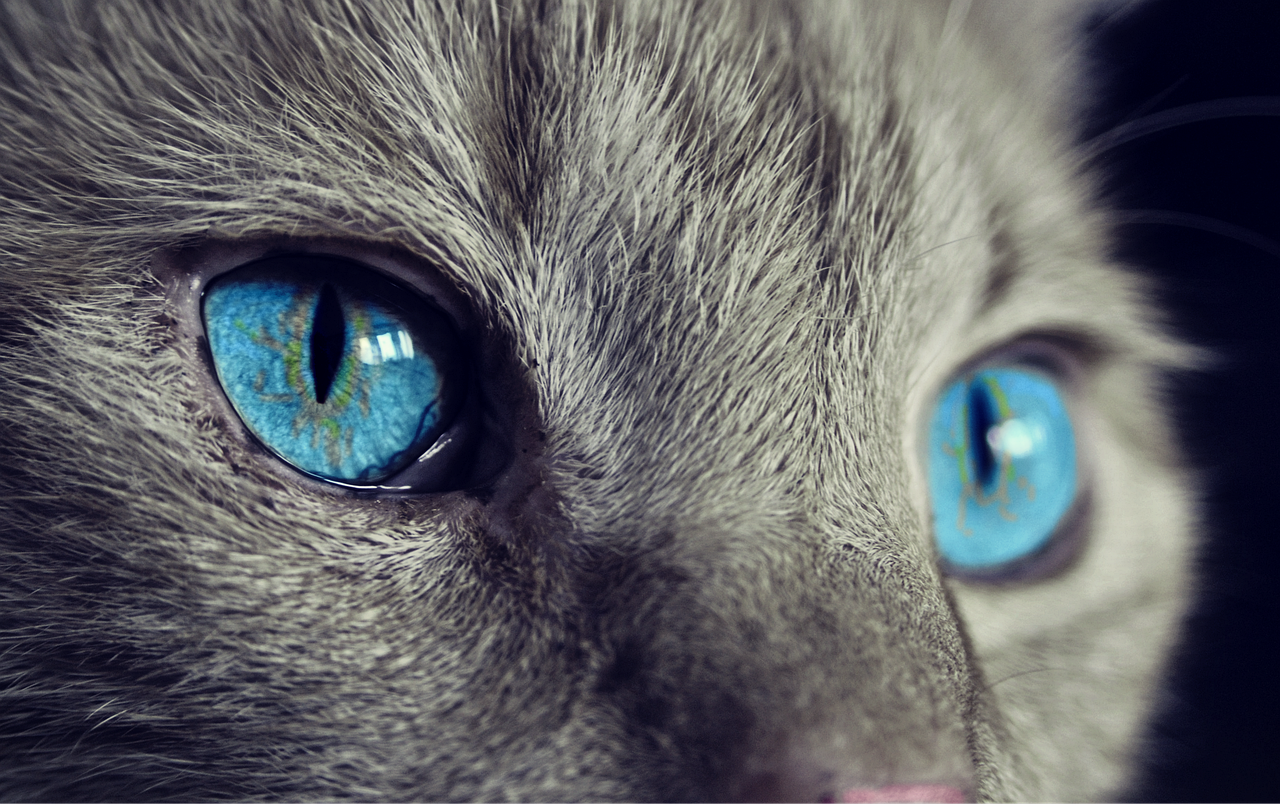

The Importance of Early Detection in Cat Eye Diseases
Cat eye diseases can lead to significant health risks. Early detection is crucial to ensure the well-being of your furry friend. Common eye conditions in cats include cataracts, glaucoma, and conjunctivitis. These disorders may not present obvious symptoms initially, making regular veterinary check-ups essential for timely diagnosis. As a pet owner, understanding early warning signs can make a considerable difference. Symptoms may include squinting, excessive tear production, or changes in the appearance of the eye. Observing your cat’s behavior can provide clues about their eye health. For example, if you notice your cat avoiding bright lights or bumping into objects, it may indicate vision problems. Furthermore, some eye diseases can be hereditary, which makes knowledge of your cat’s breed increasing vital. Regular check-ups can aid in identifying genetic predispositions to eye conditions. Additionally, managing your cat’s environment also plays a key role in prevention. Providing a clean living space helps reduce the risk of infections. Keeping objects that can injure the eyes away is equally important. Understanding these factors will improve your cat’s quality of life significantly. Early action is better than reaction in cat eye health.
To effectively manage cat eye diseases, proper nutrition is essential. A well-balanced diet can support overall health, including eye health. Foods rich in omega-3 fatty acids and antioxidants promote good vision and can help prevent degenerative diseases. Incorporating elements like carrots, fish, and leafy greens can benefit your cat’s eye function significantly. Additionally, supplements designed for feline eye health can be utilized, but always consult your veterinarian before adding any new products. Regular assessments of your cat’s vision and eye structure can help monitor any changes or deterioration. If you detect any abnormalities, promptly consulting a vet is necessary. Many conditions can be successfully managed if caught early enough. Moreover, understanding stress and environmental factors that can affect your cat’s eyes is critical. Cats can experience eye strain from excessive screen time or bright lights. Creating a calm environment with suitable lighting can help, especially for older cats. Engaging in regular playtime and maintaining a stimulating environment ensures your cat remains active. Lastly, regular grooming and cleaning the eye area can prevent infections. Prompt cleaning of debris near the eyes reduces the chances of conjunctivitis caused by allergens.
Regular Veterinary Check-Ups
Scheduling regular veterinary check-ups is crucial for maintaining your cat’s eye health. These visits allow for professional examinations of your cat’s eyes, which can detect problems long before they manifest visibly. Vets use specialized instruments to examine the cornea, lens, and retina. They can identify early signs of diseases that are often undetectable to the untrained eye. A thorough examination can help assess the overall health of your cat and determine if any underlying conditions are present. Early diagnosis can significantly enhance treatment outcomes. For cats, routine vaccinations can also prevent diseases that could potentially lead to eye complications. Keeping your cat’s vaccinations up to date protects against conditions that may impact their eyesight, such as feline calicivirus and panleukopenia. Always communicate any changes in your cat’s behavior to your vet, as these changes could indicate developing issues. In addition to physical exams, blood tests can detect systemic diseases that may compromise eye health. These tests could reveal a lot about the health status of your cat, providing a more comprehensive understanding of their well-being. Stick to a regular schedule for check-ups to prioritize your pet’s health effectively.
Understanding how to recognize eye diseases early is paramount for cat owners. Familiarizing yourself with the typical signs of cat eye diseases ensures you can react promptly. Some common symptoms include swollen eyelids, excessive tearing, or changes in pupil size. If your cat displays sensitivity to light or rubs its eyes excessively, these could be concerning signs. It’s equally important to observe behavioral changes. If your cat starts to show signs of fussiness, avoids physical contact, or exhibits unusual aggression, these can indicate pain related to eye issues. Interestingly, some eye diseases can exhibit no symptoms at all until they become serious. Therefore, a proactive approach including preventative measures can be very beneficial. This includes regular cleaning of the eye area and utilizing veterinarian-recommended products. Ensure to minimize potential hazards in your home by removing anything that could scratch your cat’s eyes. Preventing eye injuries also involves monitoring their activity, particularly maintaining supervision during their playtime. Importantly, keeping your home’s environment stress-free aids in reducing the risk of eye diseases. The combination of these proactive measures creates a healthier foundation to improve long-term cat eye health.
Common Cat Eye Diseases
Understanding the most common cat eye diseases can better prepare you for prevention and early detection. One prevalent condition, conjunctivitis, causes inflammation of the eye’s inner surface. Symptoms often include redness, swelling, and discharge. It’s essential to address this issue promptly to prevent further complications. Another common issue is cataracts, which lead to clouding of the lens and may cause visual impairment. Owners may notice behavioral changes as cats struggle to navigate their environment. Glaucoma is another serious condition characterized by increased pressure within the eye, leading to pain, vision loss, and potential blindness. Regular veterinary checks can help identify these problems early, allowing more effective treatments and management. The presence of genetic predispositions can also affect your cat’s likelihood of developing specific conditions. For example, Persians and Burmese breeds are often more prone to certain eye conditions. Additionally, autoimmune and infectious diseases, such as feline herpes virus, can lead to ocular issues exacerbating cat eye health. A comprehensive understanding of these common diseases will empower owners to make informed decisions for their cats, ensuring better health outcomes.
Recognizing the importance of environmental factors in maintaining eye health is essential. Allergens and irritants in your home can cause or exacerbate eye problems. Dust, pollen, or smoke can lead to irritation and infections. Therefore, maintaining a clean home reduces the chances of your cat developing eye issues. Additionally, ensuring proper ventilation helps, as stagnant air can harbor allergens. Regularly cleaning surfaces can mitigate these risks. Maintaining a cat-friendly environment may also contribute significantly to eye health. Providing appropriate play spaces encourages healthy activity levels, reducing the likelihood of accidents that may lead to eye damage. It’s vital to install cat furniture that is sturdy and safe. This way, you minimize the chance of injuries that may occur while jumping or climbing. Moreover, essential items, like scraping posts, keep feline claws healthy and help prevent damage to their eyes from defensive actions. Creating a low-stress environment complements physical safety measures. Stressful surroundings can negatively affect a cat’s immune system, making it more susceptible to infections. Balance playtime and resting space to offer your feline a well-rounded lifestyle enhancing their overall health.
Conclusion
In conclusion, early detection in cat eye diseases is vital for enhancing the quality of life and longevity of your pet. Recognizing symptoms in a timely manner, combined with regular veterinary check-ups, allows for effective management of potential issues. As pet owners, remaining observant helps in making proactive decisions regarding your cat’s eye health. Fostering a clean and secure living environment diminishes risks associated with eye diseases. Providing a nutritious diet rich in essential vitamins and minerals supports overall health, including ocular wellness. Furthermore, understanding the common eye conditions prevalent in cats protects their vision and overall well-being. Engaging in informative discussions with your veterinarian can help you understand better how to approach and manage these challenges effectively. Additionally, remaining aware of your cat’s genetics can help guide health care decisions. This comprehensive approach ensures that owners can reduce risks associated with eye diseases significantly. Your feline friends rely on you to provide a safe and healthy life. Following these guidelines is an investment in your cat’s long-term health and happiness. Ultimately, making informed and proactive choices can lead to a fulfilling life for both you and your feline companion.
Taking care of your cat involves being vigilant and responsible in managing their health needs. Among these needs, maintaining eye health is critical and shouldn’t be overlooked. Utilize available resources from veterinary services to stay informed and updated about your cat’s eye care. Knowledge about common eye diseases, treatment options, and preventative measures will empower you to make the best choices for your pet. Communicating with fellow cat owners may also help enhance your understanding through shared experiences. Building a community that prioritizes feline health is essential. Many veterinary clinics offer workshops or seminars on pet care that can also be valuable. Online platforms can connect you with experienced professionals and offer insights on the best practices for maintaining cat eye health. It’s crucial to educate family members about recognizing signs of diseases too. Since eye issues can progress rapidly, having multiple eyes watching for problems can be incredibly beneficial. Ultimately, making eye care a priority within your pet care routine will foster a long and healthy life for your beloved furry family member.