
The Impact of Trauma on Dog Shock and First Aid Measures
Understanding dog shock is essential for every pet owner, particularly regarding trauma-induced situations. Traumatic events such as accidents or attacks can leave dogs in a state of shock, manifesting physical and psychological symptoms. The immediate response to witnessing your dog in distress involves assessing its condition and providing adequate first aid. Shock can lead to severe complications if not addressed promptly and effectively. This article provides insight into the impact of trauma on dogs and the necessary first aid measures you can take. Various signs may indicate shock, including rapid breathing, weakness, and disorientation. Being aware of these symptoms can help you react swiftly to stabilize your pet. The likelihood of recovery depends significantly on timely intervention, highlighting the importance of knowing how to respond in crisis moments. You should always consult a veterinarian for a comprehensive evaluation after a traumatic event. Keeping a well-stocked first aid kit specifically for dogs is a proactive step. It is vital to remain calm during such emergencies, as your dog will likely mirror your emotions. This article will equip you with essential skills and knowledge to manage dog shock effectively and compassionately.
Trauma can significantly alter a dog’s behavior and body language. Not only may they exhibit signs of physical instability, but psychological symptoms may also arise. Understanding the connection between trauma and the shock response in dogs is critical for effective first aid. Dogs may react vigorously or become extremely passive when traumatized. You may notice their tails tucked, ears back, or excessive panting. Moreover, varying levels of shock can occur depending on the severity of the trauma, leading to critical or non-critical situations. If you suspect that your furry friend is in shock, it’s essential to assess their airway, breathing, and circulation before attempting further treatment. In severe cases, the dog may require immediate transportation to emergency veterinary care. First aid Steps such as keeping the dog warm, laying them on their side, and preventing any movement are vital in stabilizing their condition. Additionally, the emotional state of the dog should not be overlooked, as fear can exacerbate their shock. Speaking to your pet softly and reassuringly can help ease their anxiety during these stressful moments.
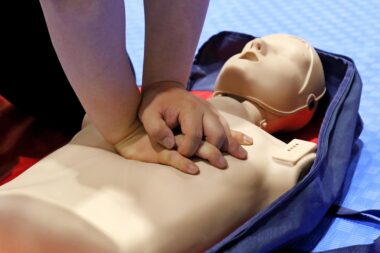
First aid preparation for dog shock is critical in ensuring the well-being of your pet during emergencies. Having a comprehensive first aid kit for dogs can save valuable time when dealing with crisis situations. Your kit should ideally include sterile gauze, antiseptic wipes, a digital thermometer, bandaging material, and a muzzle. Interestingly, muzzles may seem counterintuitive but can prevent any potential bites or nips due to the dog’s confusion or pain. Depending on the injuries, knowing how to manage bleeding, fractures, or burns is vital, and prompt action can make a significant difference in outcomes. It’s equally important to be familiar with basic dog CPR techniques. Regularly checking your first aid supplies and the expiration dates is recommended to ensure everything is ready when needed. Additionally, educating family members on the contents and use of the kit is crucial. This preparation can provide extra peace of mind during unexpected incidents. Remember, a well-prepared first aid response can provide comfort and possibly save your dog’s life in emergencies.
Recognizing Signs of Shock in Dogs
Recognizing the signs of shock in dogs is essential for timely intervention and first aid. Shock can present in various forms, depending on the cause and the dog’s overall health. Common symptoms include rapid heart rate, shallow breathing, pale gums, and weakness. Another telling sign may be a dog’s reluctance to stand or move. Observing these symptoms can provide quick insight into your pet’s condition. You should also be aware that shock can lead to confusion and disorientation, which may alarm pet owners. The degree of shock can range from mild to severe, and each level requires different responses. A dog in a severe shock state could have trouble maintaining consciousness or responsiveness. Testing for capillary refill time can also be useful; gently pressing on the gums should result in color restoration in under two seconds. If the color returns slowly, this may indicate shock. Immediate action is necessary if you notice these symptoms; quick response can be life-saving. This knowledge helps in providing the necessary first aid, significantly improving the chances for recovery of your beloved pet.
Once effective first aid measures have been applied for dog shock, ongoing monitoring becomes essential. You need to remain vigilant regarding your pet’s condition. This includes watching for any changes in their responsiveness or physical symptoms. Even after stabilization, a dog may still be at risk for additional issues as a consequence of the initial shock. It’s critical to keep the environment calm and soothing to help alleviate stress. If the dog begins to exhibit symptoms of shock again, you’ll be prepared to respond again quickly. In these moments, consulting a veterinarian is non-negotiable. Professional input is crucial for a comprehensive diagnosis and care plan. Transporting your dog in a safe manner is paramount. Utilizing a sturdy carrier or a secured seatbelt can protect them further until they receive veterinary care. Documenting the behaviors you observed can help vets provide better assistance; communication about timing, symptoms, and any first aid measures implemented is fundamental. After the initial trauma passes, follow-up care will be necessary as dogs may experience lingering trauma or stress, and rehabilitation can help restore their health.
Preventive Measures for Dog Trauma
Preventing dog trauma requires diligence and awareness from pet owners. Understanding the risks can significantly help mitigate potential dangers that could lead to shocking experiences. Regularly monitoring your dog’s environment and making any necessary adjustments to prevent accidents is vital. Instances like unrestrained interactions with other aggressive dogs or exposure to hazardous items can be avoided with proper training and supervision. Implementing safety measures, such as using leashes in crowded areas or avoiding unfamiliar environments, can further protect against harmful situations. Training your dog to have a strong recall command also adds an extra layer of safety, allowing you to manage situations proactively. Additionally, providing mental and physical stimulation prevents pent-up energy and anxiety. Engaging your dog in regular activities, such as playdates, walks, or obedience training, creates a healthier, more balanced emotional state. It is crucial to socialize your dog early, allowing them to adjust to various environments and people gradually. Ultimately, responsible pet ownership centered on awareness and prevention can save your dog from traumatic experiences, leading to a better quality of life.
Seeking emotional support for your dog after experiencing trauma is often overlooked but incredibly important. Dogs can develop behavioral changes due to persistent fear or anxiety following a frightening event. To help them recuperate, providing a positive and supportive atmosphere is necessary. Engaging in activities they enjoy can help rebuild their confidence and reinforce a secure emotional state. Basic obedience training or engaging in stimulating games can create a situation where the dog can regain trust in their environment. Additionally, consulting with a canine behaviorist may provide structured guidance in helping your dog overcome trauma. In more severe cases, veterinarians might recommend specific interventions, including medication or tailored behavioral therapies. As a pet owner, providing reassurance through your presence, voice tone, and gentle petting can ease their anxiety and encourage them to heal. Every well-meaning interaction counts when helping a traumatized dog recover. Ultimately, fostering patience and empathy will profoundly impact your dog’s healing journey, allowing them to reclaim their joy and sense of security effectively.
In conclusion, dealing with dog shock requires a deeper understanding of trauma’s impact and effective first aid responses. As an owner, you wield the power to make a difference in your dog’s recovery prospects. Recognizing the signs of shock promptly, having a well-prepared first aid kit, and ensuring adequate follow-up care are crucial. Remembering the emotional aspect of recovery can greatly assist in healing, making it essential to create calm and supportive environments. Preventive measures can also reduce the risks of trauma and shock. As we build stronger relationships with our dogs, implementing strategies to safeguard their well-being will pay off immensely. Ongoing education about canine behavior, health, and safety should form a core part of pet ownership. By comprehensively educating ourselves, we can ensure a comfortable and safe life for our dogs. With adequate preparation and swift action, we can handle shocking incidents more effectively. Always stay calm, collected, and responsive in emergencies, as this will transmit reassurance to your furry friend during distress. Together, let’s work towards creating safer environments that nurture the happiness and health of our beloved pets.