
Whisker Sensitivity: How Cats Sense the World Around Them
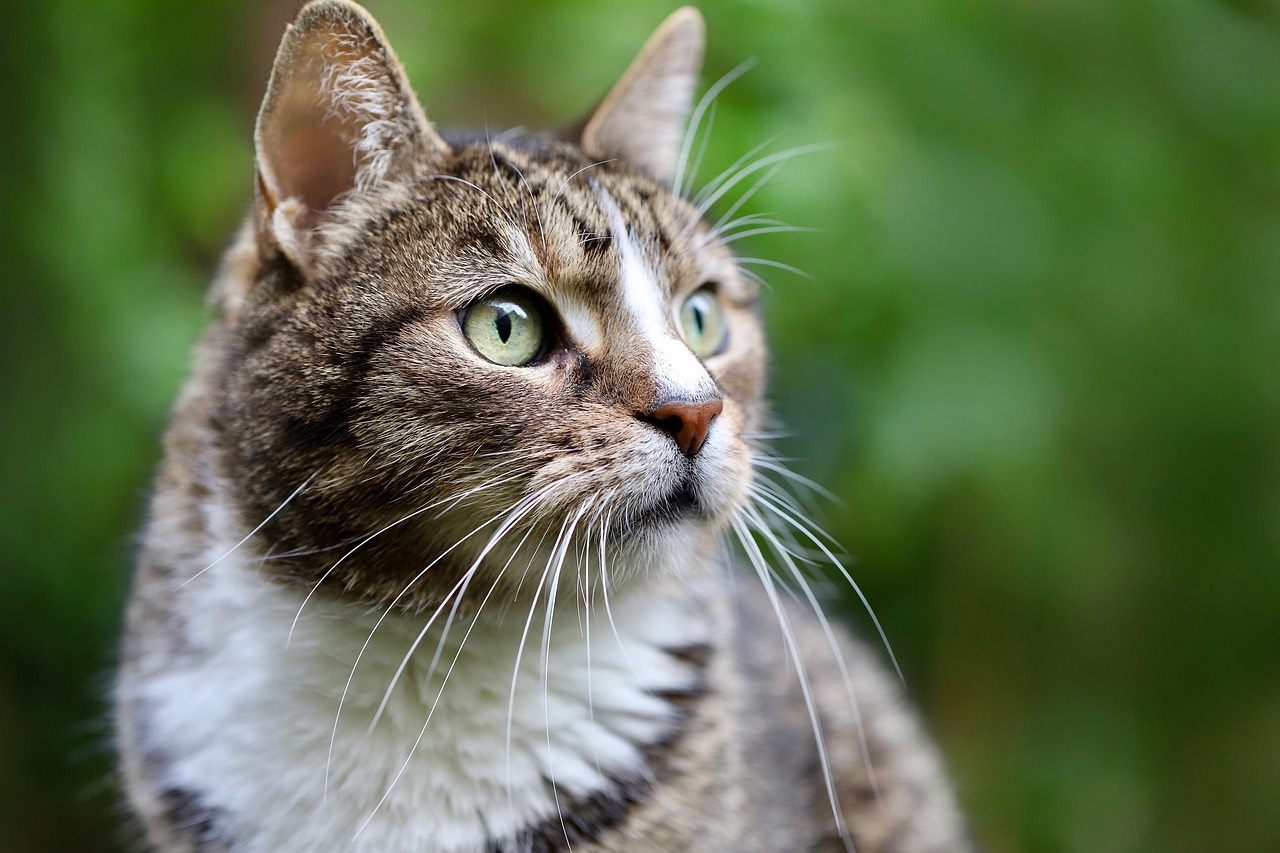
Cats are known for their extraordinary sensory capabilities, among which their whiskers play a significant role. Whiskers, or vibrissae, are specialized hairs that serve as tactile sensors. They are deeply embedded in a cat’s skin and are connected to the nervous system, allowing cats to detect the faintest changes in their environment. The length and thickness of whiskers can vary among different breeds, but they typically extend about the width of a cat’s body. This anatomical feature enables them to gauge space and detect obstacles. Understanding how these whiskers work provides insight into the complex ways cats navigate their surroundings and communicate their feelings. Whiskers are not random features; they serve essential functions beyond mere decoration. For instance, they assist in hunting, allowing cats to sense prey movement even in tight spaces. Additionally, whiskers can indicate a cat’s mood: if they are relaxed, their whiskers will be forward, while stress may cause them to pull back to the face. Observing these behaviors can enhance our appreciation of feline communication and their intricate world.
Whiskers serve as critical tools for spatial awareness in cats. As cats navigate their environment, they use their whiskers to help determine whether they can fit through openings or weave around obstacles. Each whisker is embedded in a follicle that is rich in nerve endings, making them extremely sensitive to touch. The movement of air against the whiskers allows cats to detect nearby objects, even when they can’t see them directly. This is particularly useful during low visibility situations, such as at night or in dark spaces, which is when cats are most active. The whiskers act sort of like antennae, sending signals back to their brains about the surrounding area. This sensory feedback is crucial not only for hunting and exploration but also for avoiding collisions, thus ensuring the cat’s safety. Pet owners can enhance their understanding of these unique features by observing how their cats interact with various environments. Sometimes the positions of the whiskers can reveal a cat’s emotional state, prompting the owner to engage differently based on their pet’s needs.
The Role of Whiskers in Communication
Cats communicate with each other through body language, and their whiskers play a role in this silent conversation. The position and movement of whiskers reveal much about how a cat feels in various situations. When a cat is relaxed and curious, its whiskers are often extended forward, signaling interest and engagement with their surroundings. Conversely, when a cat is frightened or agitated, the whiskers may be pulled back against the face, indicating stress or a defensive posture. This subtle change can alert other animals to potential threats, preventing conflicts. Understanding these signals enhances our interactions with cats. For instance, if a cat approaches with forward whiskers, it’s likely in a playful mood. In contrast, if the whiskers are drawn back, it may indicate that the cat feels threatened. By interpreting these signs accurately, cat owners can respond appropriately, ensuring comfort and safety for their pets. Observing the whiskers can even help identify when a cat is in pain or discomfort, enabling quicker responses to their health needs.
Another interesting aspect of whisker sensitivity is their influence on hunting behavior. Cats are instinctive hunters, and their whiskers contribute significantly to their success. When stalking prey, a cat will use its whiskers to feel out the distance and position of the target. Even when they close in on the catch, their whiskers help ensure they accurately gauge where their mouth will land. The ability to sense movement or vibrations around them is vital for securing meals, particularly in low-light conditions. Moreover, whiskers can help during the pounce, as cats use this sensory feedback to adjust their movements instinctively. This combination of senses allows cats to be both effective and efficient hunters. Interestingly, owners can simulate play that encourages hunting behaviors through the use of toys that mimic movement. This engages a cat’s hunting instincts while allowing the owner to bond with their pet. Understanding the intricacies of how whiskers facilitate hunting adds to the appreciation of a cat’s natural abilities, making the pet-ownership experience even more enriching.
Whiskers and Environmental Awareness
The environment through which a cat moves can be complex. Cats utilize their whiskers to enhance spatial awareness as they explore their surroundings. The sensitivity of whiskers allows them to detect surfaces, making it easier to navigate different terrains. This is particularly evident when they are introduced to new spaces or objects, where they carefully approach to ensure safety. Whiskers help evaluate the proximity of walls or furniture, minimizing the risk of bumping into things. This ability to sense and classify their environment makes cats incredibly adaptive. Their whiskers also assist in detecting changes in temperature and wind direction, sharpening their awareness of potential dangers. This heightened environmental sensitivity is rooted in their evolutionary history, allowing them to survive in the wild effectively. Observing how a cat reacts to new items or changes in their environment can be fascinating, revealing the sophisticated ways they interact with the world. Owners are encouraged to consider environmental enrichment, such as new toys or climbing structures, to keep their cats engaged and responsive.
Moreover, the grooming process can impact a cat’s whiskers. Cats are fastidious groomers, spending a significant portion of their day cleaning themselves. However, this grooming behavior can cause wear and tear on their whiskers. When whiskers become damaged or excessively frayed, it can lead to decreased sensitivity. This reduction can potentially affect their ability to navigate and interact with their environment effectively. Recognizing the signs of whisker stress is important for cat owners. An understanding of proper grooming techniques can help maintain the health of these critical sensory tools. Keeping a cat’s fur clean and free from mats ensures that whiskers remain intact and functional. It’s essential to be gentle when brushing, as rough handling can stress the cat. Additionally, providing a suitable diet can support overall fur and whisker health. This holistic approach aids in ensuring that whiskers serve their intended purposes fully—navigation, communication, and hunting—thereby enhancing the well-being and behavior of the cat.
Conclusion: Appreciating Whisker Sensitivity
Understanding the importance of whiskers in cat behavior provides a deeper insight into their world. From communicating emotions to navigating environments, whiskers are vital tools that enhance a cat’s experiences. Owners can foster better relationships with their felines by observing how these sensory attributes function. It’s also important to keep whiskers healthy through proper grooming and attention to emotional well-being. Recognizing when whiskers are pulled back might indicate fear, while relaxed whiskers can invite interaction and play. Suitable playtime and environmental enrichment play essential roles in a cat’s life, addressing both physical and mental needs. As the link between cats and their environment becomes clearer through studies on whisker sensitivity, it encourages deeper care practices among pet owners. Creating enriching environments tailored to a cat’s natural instincts enables them to thrive. In summary, whiskers provide valuable insight into a cat’s emotional state and can be a powerful indicator of their comfort. Fostering a cat’s sense of security while respecting their whiskers’ unique functions ultimately leads to happier, more fulfilled pets.
Fostering an informed approach to understanding all aspects of cat behavior will lead to better care for these beloved companions. Paying attention to how cats use their whiskers can transform our interactions with them. Enhancing their overall experience and promoting a strong bond between the cat and owner ensures a lasting, loving relationship. Cats provide immense joy to many households; appreciating the nuances of their communication can foster an even deeper connection. As we learn more about feline behavior, the impact of whiskers seems profound, revealing the intricate world these animals inhabit. This not only makes the understanding of cats richer but enhances their quality of life as well. Each owner plays a pivotal role in interpreting and responding to these delicate cues, ensuring a fulfilling existence for their feline friends. Taking time to observe and nurture cats based on their behavioral signs paves the way for deeper relationships. Recognizing the role of whiskers opens avenues for educational discussions about feline needs and behavior. Overall, the importance of whiskers in cats cannot be overstated; they are invaluable assets in communication and navigation for these independent beings.