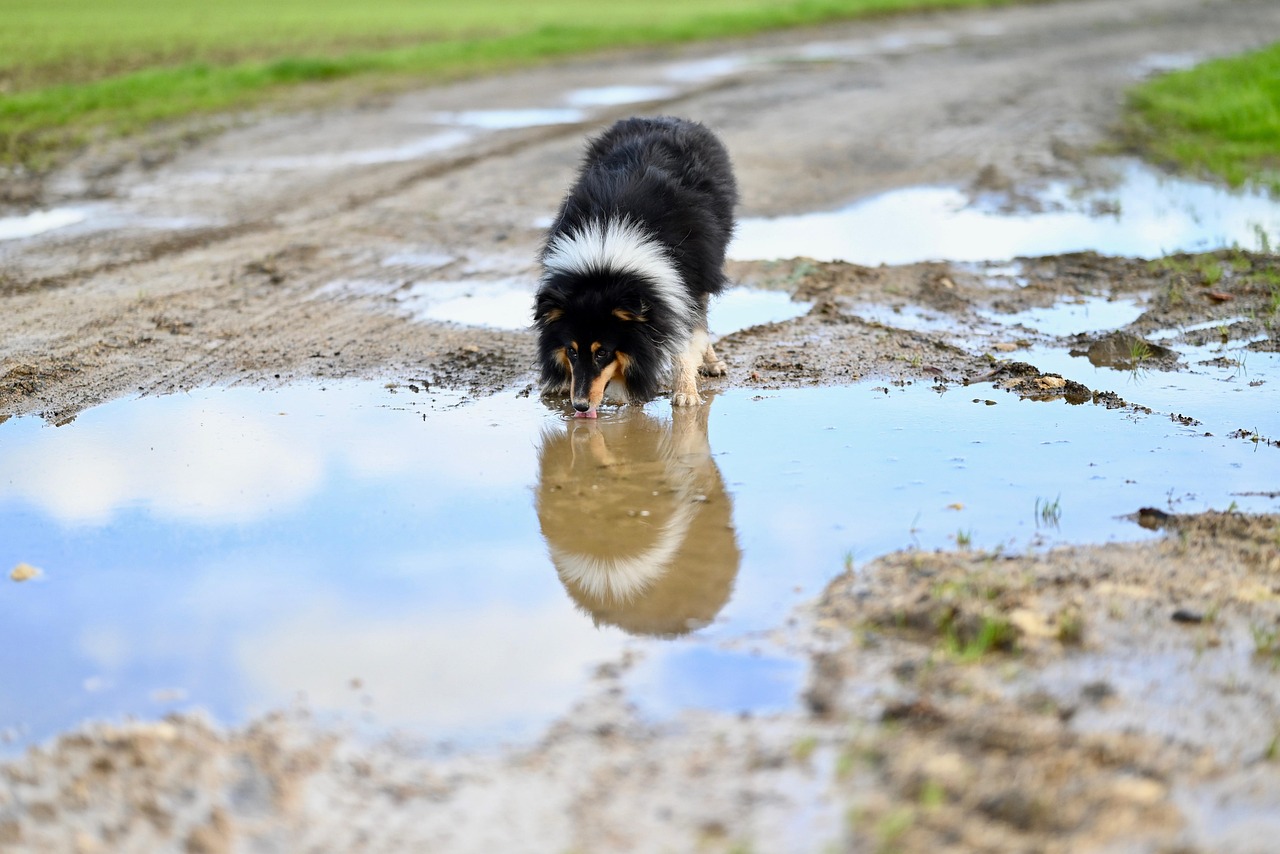

How to Capture Reflection Shots of Dogs in Water
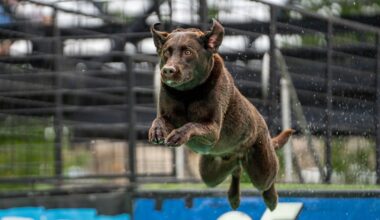
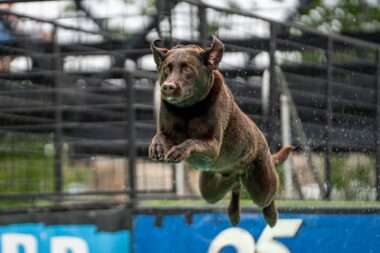
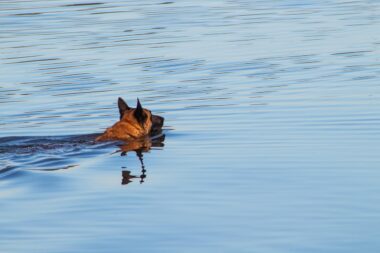
Capturing stunning reflection shots of dogs in water involves understanding composition, timing, and the right equipment. Reflections can create magical effects that enhance the beauty of your furry subjects. Choose a location with calm water, like a lake or pond, where your dog can safely enter. Early morning or late afternoon provides the best natural lighting to achieve vibrant colors and soft shadows. When the sun is low, reflections are more pronounced, so consider timing your shoot accordingly. To capture those unique moments, try getting down to your dog’s level to create a more engaging perspective. This approach emphasizes the dog’s personality while integrating the mirror-like water. Using a wide-angle lens can add depth to the scene, allowing the background to feature more prominently in the reflection. Push the boundaries of creativity by focusing on splashing water segments or a jumping dog, as they produce captivating half-images. As you frame the shot, remember to include both the dog and its reflection for a dramatic effect. Lastly, patience is crucial, so take your time observing your dog’s movements before triggering the shutter button.
Consider using a tripod to stabilize your camera. This is particularly useful when shooting slower shutter speeds, allowing the lens to capture clear reflections without any blurriness. Increasing your camera’s ISO setting can help to avoid long exposure times, especially in lower lighting conditions. Make sure to adjust your aperture to keep both your dog and the reflection in focus, which is crucial for a depth-of-field effect. Before starting your shoot, plan various angles to capture the best shots possible. Moving around the water’s edge can help you find the most flattering perspective for your pet. Look for interesting backgrounds that reflect well, as objects like trees, clouds, or even rocks can enhance the composition and provide a beautiful backdrop. Also, check for a clean foreground or eliminate distractions around your subject. When editing your photos, consider enhancing colors or adding contrast, which can make reflections pop more prominently. To find inspiration for your shoots, you can check out online photography forums or social media groups dedicated to dog photography. Engaging with the community can provide valuable tips and encouragement to enhance your skills.
Safety for Your Dog
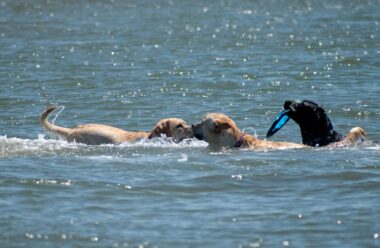
Before heading to a water body, ensure that it is safe for your dog to swim. Be watchful for wildlife, strong currents, or sharp rocks that might harm your furry friend. Carry fresh water and treats to encourage breaks during the shoot. Encourage your dog to wade into the water gently for optimal safety. Remember that not all dogs are natural swimmers, so introduce them to the water slowly and let them acclimate to the new environment. Provide support, exhibiting calmness to help them feel secure. If your dog seems hesitant or scared, do not push them to enter the water, as it can create a negative association with future swimming. Instead, spend some time by the water’s edge, allowing them to observe and get comfortable. Gradually entice them to explore the shallow areas where their feet touch the bottom. Fetching toys can often help motivate dogs to enter the water. This playful approach not only aids in capturing their candid moments but also ensures they enjoy the adventurous experience. Safety and enjoyment go hand in hand, essential for the best reflection shots!
Always equip yourself with the right gear for a successful photography session. A camera with a fast autofocus system is crucial for capturing your active dog whenever they leap into the water. A lens with a fast aperture enables better performance in low lighting and helps isolate your dog from the background effectively. With your camera, consider using a polarizing filter to reduce glare from the water, which enhances reflections. These filters can improve color saturation and depth, creating striking images. If you have a dedicated water housing for your camera, it opens up even more possibilities for unique underwater shots. Waterproof gear keeps your equipment safe while enabling you to shoot from various angles in and out of the water. Also, having a sufficient supply of memory cards and batteries is essential, as you don’t want to miss shooting a perfect moment due to technical limitations. So muddle through the wet conditions while ensuring your gear is safe yet captures the fluid action. This careful approach launches beautiful reflections that will wow your audience and leave a marked impression.
Capturing Movement and Action
To capture reflections effectively, timing your shots is vital, particularly during dynamic movements like jumping or splashing. Pay attention to your dog’s behavior: an anticipated leap can create dramatic water splashes that enhance visual interest. As your dog enters the water, watch closely and be ready to press the shutter rapidly since these moments can happen quickly. Using burst mode on your camera allows you to take multiple frames per second, increasing the chances of capturing that perfect shot of both the action and its reflection. Additionally, focus on your subject’s eyes; sharp eyes exhibit emotion and connect viewers with the photo. Using continuous focus autofocus while shooting moving subjects can help maintain clarity. If your dog enjoys swimming, try following along the water’s edge to maintain both perspective and connection. Finally, experiment with various shutter speeds to find the right feel for your shots. A faster shutter speed will freeze the action, while a slower one can blur the motion, creating an ethereal effect. Explore both techniques to set your desired style and emotion in your photographs.
Understanding the importance of light can significantly elevate your images, especially when it comes to reflections in water. Avoid shooting directly into the sun, as harsh light can cause overexposed areas on the dog and reduce the quality of the reflections. Instead, position yourself with the sun behind you or to the side, illuminating your subject and enhancing colors. A sunny day may work, but don’t forget to play with clouds or evening light for softer tonal range. Golden hour — just before sunset or after sunrise — offers excellent conditions for stunning images. This time provides gentle light and warmer tones that can elevate the mood of your photographs. Using shadows creatively can also add an intriguing aspect to your work. Look for patterns formed by trees or other elements to complement your dog’s reflections. Proper white balance settings enhance the integration of colors, thus improving the final image quality. Factors such as weather, light intensity, and the subject’s fur coat can influence appropriate settings, so be prepared to make adjustments continuously. Remember, experimenting is key to mastering the craft.
Post-Processing Techniques
After capturing amazing reflection shots of your dogs in the water, the next step is post-processing to refine the images. Software like Adobe Lightroom or Photoshop offers various tools for editing photos and can help bring out the best in your reflections. Start with basic adjustments like cropping, exposure, and contrast to frame your image and enhance overall clarity. Focus on the vibrancy of colors to ensure the reflections remain stunning and eye-catching. If necessary, apply selective sharpening to the dog while avoiding over-sharpening the water, which can ruin the effect. Adding a subtle vignette can also guide the viewer’s eye toward the focal point of the image effectively. Your goal should be to maintain the natural beauty present when you took the picture while enhancing details that may be lost. Use layer masks to adjust light and shadows specifically to elevate the mood of the photograph. A bit of patience throughout this process goes a long way in achieving striking images that showcase the joy of your pet interacting with water, preserving cherished memories beautifully.
Sharing your reflection shots is an exciting part of the photography process. Consider showcasing your work on social media platforms dedicated to pet photography. Websites like Instagram and Facebook have communities that celebrate dog pictures, which can provide encouragement and inspiration. Participating in photography contests or challenges can also broaden your reach while promoting your skills. Be sure to use captivating captions and hashtags to attract an audience interested in canine imagery. Making a blog or portfolio website can further establish your identity as a dog photographer. This approach helps in networking opportunities and selling printed collections of your stunning reflections. Don’t forget to engage with other photographers and pet owners, discussing techniques and sharing insights. Positive interactions lead to growth as you learn from their experiences. Consider organizing meet-up sessions with other photographers to explore new locations and collect unique experiences together. Building a community offers leaders insights into trends in photography, allowing you to stay updated on styles and techniques. Artistic expression through dog photography can be immensely rewarding, and capturing reflections in water plays an essential role.