
How to Prepare Your Dog for Upcoming Sports Events
Preparing your dog for upcoming sports events is both exciting and essential. You need to lay a foundation that includes proper training and nutritional support. First, assess your dog’s fitness level and age to determine the type of events suitable for them. Next, incorporate regular exercise sessions tailored to your dog’s abilities. Activities such as agility training or frisbee play can be both enjoyable and beneficial. Additionally, regular interactions with other dogs can improve socialization skills and increase your dog’s confidence. Consistent routines are key, as they help your dog adapt to the preparation process. Pick a training schedule and stick to it to establish a habit, ensuring that your furry friend is psychologically prepared too. Responsible owners consider the weather conditions, ensuring that their pets stay hydrated and comfortable. Lastly, remember that each dog varies in temperament and energy levels, so listen to their needs closely to adjust the plan accordingly. Overall, with the right approach and dedication, you can set your dog on a successful path for any sports event they might take part in, ensuring fun times ahead for both of you.
Nutrition plays a crucial role when preparing your dog for sports events. A balanced diet rich in vitamins, minerals, and energy-boosting nutrients is vital for optimal performance. Consider contacting your vet to analyze your dog’s dietary needs, specifically before any big athletic endeavors. Foods that include a mix of protein, carbohydrates, and healthy fats can support your dog’s stamina and overall health. During training, supplementing with high-quality dog food is imperative, emphasizing natural ingredients without fillers. Many dog parents find that adding specific vitamins aids in performance as well. Timing meals is important too; feed your dog a few hours before training or events to avoid discomfort. Also, carry water with you to keep your dog hydrated, especially during outdoor events, as hydration is key to maintaining performance levels. Moreover, incorporating treats can be an effective motivational tool, but ensure they are healthy. Always remember that some dogs might have food allergies or sensitivities. Keep an eye out for any unusual signs after introducing new foods. Healthy nutrition not only enhances physical readiness but also supports mental clarity during competitions.
Training Techniques for Sports
Effective training techniques can significantly influence your dog’s performance in sports events. It’s crucial to establish a clear training regimen, beginning with basic commands. Building on commands like ‘sit’ or ‘stay’ ensures your dog understands basic communication. From there, incorporate sport-specific skills gradually. For instance, if you’re participating in agility events, practice navigating through tunnels or jumping over hurdles slowly. Consistency is key; daily short sessions will help reinforce learning and maintain interest. Utilize positive reinforcement such as treats or praise to encourage your dog during training sessions. Focus also on mental stimulation; puzzle toys can assist in honing attention and helping your dog think strategically. Group training sessions can cultivate teamwork and prepare your dog for interacting with other participants. If possible, enlist a professional trainer familiar with your chosen sport to help refine techniques. They can identify areas for improvement that you may not notice. Lastly, remember that fun and relationship-building are essential; avoid turning training into a chore to keep your dog motivated. Keeping sessions enjoyable will build both skill and enthusiasm.
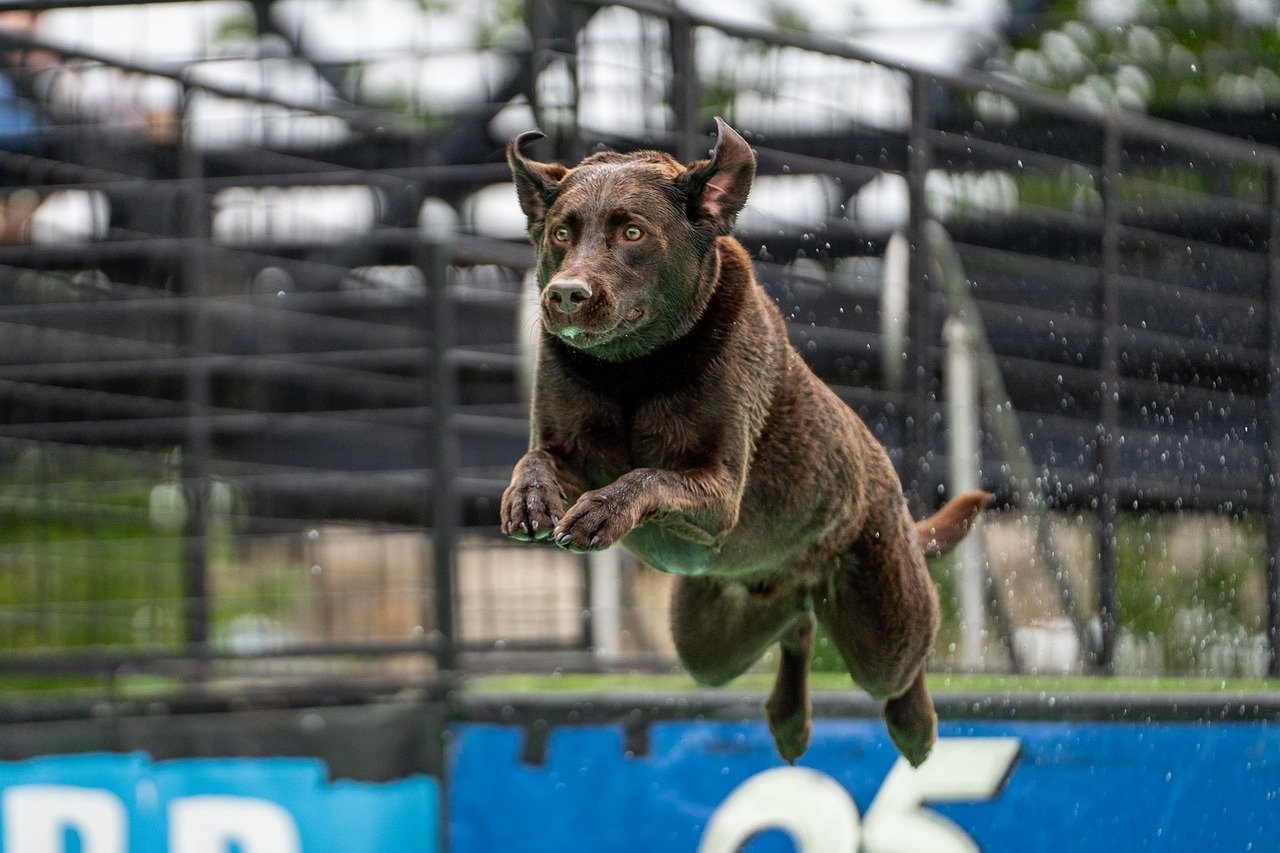
Participating in practice events can serve as the ideal preparation for your dog’s upcoming sports competitions. These sessions provide a realistic setting where your dog can acclimate to the competition environment. During these practice events, observe your dog for areas needing improvement, such as focus and response times to commands. It can also give you a chance to understand the energy and excitement prevalent in actual events. Taking part in smaller local competitions can help alleviate anxiety when the day arrives for larger events. Schedule practice sessions with other dogs, allowing your pup to become accustomed to distractions. Gradually introduce them to varied environments similar to event locations, ensuring your dog learns to adapt. Additionally, practice handling your dog, guiding them through events as you would during competitions. Develop routines that work for both of you; a specific warm-up or cool-down can aid in performance. This preparation can alleviate stress and build confidence. The positive experiences at practice events can make your dog’s transition to competition smoother and more successful, enhancing their overall experience and your bond.
Post-Event Care and Recovery
Post-event care and recovery are crucial for your dog’s health and performance in future sports activities. As soon as the competition ends, assess your dog for any injuries or signs of fatigue. Regularly checking paws for cuts and abrasions can prevent any ongoing discomfort. Post-event hydration is also essential; make sure they drink adequate water to replenish what was lost during physical exertion. Offering them a light meal or snack helps to restore energy levels. Implement gentle stretching routines to prevent stiffness and enhance recovery. During this recovery phase, consider gradually reducing exercise intensity to promote healing. Observing your dog’s behavior and adjusting their activity levels is crucial—for example, if they seem tired, allow them ample time to rest. Moreover, consistent veterinary check-ups can ensure any hidden injuries are addressed before they worsen. Investing in a quality dog bed can also support recovery, providing comfort during rest periods. Lastly, do not forget to give them affection and companionship; this will significantly strengthen your bond while comforting them. Successful recovery will keep your dog ready for the next sports event and promote longevity in their athletic endeavors.
Clothing and gear can greatly improve performance and comfort for your dog during sports events. The right gear ensures safety and enhances your dog’s ability to perform well. Depending on the sport, specialized equipment such as agility vests or protective booties can provide adequate support. Assess your dog’s needs based on the chosen event. For instance, some breeds may benefit from cooling jackets in hot weather, while others may require extra warmth in cold conditions. Finding a comfortable fitting is essential; too tight clothing can cause irritation while too loose gear can hinder movement. Additionally, embedding ID tags and microchips can be crucial in case of any unexpected escape during events. Take time to familiarize your dog with wearing gear before the event; proper acclimatization will promote comfort during competitions. Cleaning and maintaining your dog’s sports gear are equally important to ensure longevity and fresh performance. Lastly, always choose brands that prioritize quality; investing in well-made products can lead to a better experience for both you and your furry athlete.
Conclusion: Success in Dog Sports
Ultimately, dog sports can become enriching experiences for both you and your furry companion. Successfully preparing your dog involves several factors, including nutrition, training, and care. Establishing a healthy routine ensures your dog stays fit and ready for athletic challenges. As you plan for upcoming events, remember that joy and enthusiasm are the cornerstones of your training regimen and event preparations. Make every effort to ensure they remain as happy and comfortable during the process, enriching your bond. Engaging your dog in sports develops their physical abilities, social interactions, and mental acuity. The connection deepened through these activities benefits both dog and owner, creating treasured memories together. Trusting your instincts about your dog’s needs contributes significantly to their readiness. With a positive approach and consistent effort, you can help your dog embrace every challenge with courage and excitement. Attend events with an open heart and enjoy every moment, celebrating the journey you share. By focusing on your dog’s well-being and fostering a supportive atmosphere, you will ultimately find success and happiness in dog sports, ensuring a fulfilling experience for both of you.
Lastly, remember that some dogs might have food allergies or sensitivities. Keep an eye out for any unusual signs after introducing new foods. Healthy nutrition not only enhances physical readiness but also supports mental clarity during competitions.