
The Lifespan and Aging Process of Oriental Cats
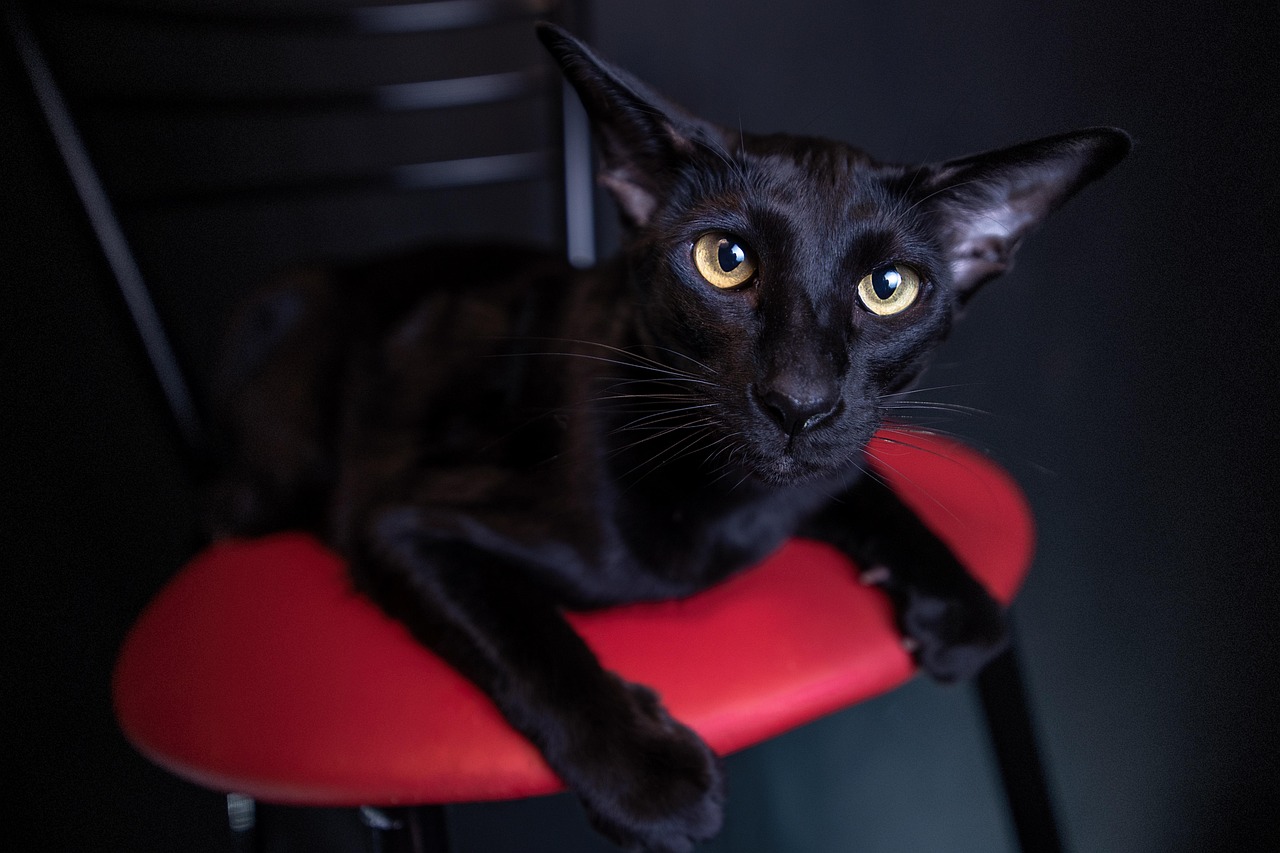
Oriental cats are known for their unique characteristics, making them an appealing choice for many cat lovers. These breeds include the Siamese, Burmese, and Oriental Shorthair, among others. Generally, Oriental cats enjoy a lifespan ranging between 12 and 15 years, although certain breeds may live longer with proper care. Factors like genetics, diet, and environment influence their longevity. Regular veterinary check-ups are essential to identify potential health issues early. Ensuring your cat receives vaccinations and preventative care helps them live a long, healthy life. Additionally, mental stimulation and regular exercise can enhance their quality of life, keeping them active and engaged. Oriental cats also require specific grooming routines, especially those with longer fur. Interactive playtime is important, as it allows for bonding and channeling their energy. Adoption from shelters or reputable breeders helps ensure that these breeds receive proper treatment and care throughout their lives. As your Oriental cat ages, their needs will evolve. It’s critical to adapt to these changes and provide the necessary support for them to thrive well into their senior years.
As Oriental cats grow older, their health may begin to change. Changes in weight, energy levels, and coat quality often indicate potential issues. Regular veterinary visits become increasingly important, as older cats are more susceptible to obesity and related health problems. Owners should monitor their cat’s nutrition carefully, opting for high-quality, senior-specific formulas that cater to the unique dietary needs of elderly cats. Joint health and dental care also become significant concerns during this stage. Incorporating supplements and maintaining oral hygiene can mitigate these risks. Owners should adjust their lifestyle to accommodate their aging cats by providing comfortable resting areas and access to essential resources. Social spots allow their cats to engage without hindrance. Environmental enrichment plays a major role in mental stimulation, so providing gentle activities is key. Keeping their living spaces clean and safe should also be a priority. Additionally, keeping track of any behavioral changes is essential, as they may indicate discomfort or other underlying health concerns. Regular communication with your veterinarian ensures the best care possible for your aging Oriental cat as they navigate their golden years.
Understanding the Aging Process
Understanding the aging process for Oriental cats involves recognizing the stages of their life. The aging process usually comprises three significant phases: young adult, mature adult, and senior. Each phase presents its unique set of needs and concerns. During the young adult stage, around 1 to 6 years, these cats are typically high-energy and playful. However, as they transition into mature adulthood (7 to 10 years), they may start showing signs of reduced energy and require adjustments in diet and exercise. As they further advance into their senior years, usually beyond 11 years, their need for specific care practices intensifies significantly. Regular check-ups become paramount in identifying early onset of chronic conditions such as diabetes, kidney disease, or hyperthyroidism. Additionally, providing specialized health care focusing on nutrition, joint care, and cognitive function is crucial. Owners should be aware of increased behavioral changes as well. Cats may become less sociable or exhibit anxiety. Paying close attention to these stages allows owners to implement tailored care plans ensuring their Oriental cat’s happiness and well-being as they progress through life.
One notable aspect of an Oriental cat’s aging process is their susceptibility to various health issues. Common problems include dental disease, obesity, kidney issues, and thyroid problems. It’s essential for cat owners to recognize symptoms associated with these conditions. For example, oral health issues often manifest as bad breath and difficulty eating. Regular dental check-ups and cleaning are vital to preventing these conditions. Additionally, watch for changes in thirst or appetite; an increase might indicate health problems. Regular monitoring for unexplained weight loss or gain can help catch obesity early, which is a chronic concern with aging cats. Owners should note changes in litter box habits, which might signify kidney dysfunction or other internal problems. Early intervention is critical for better outcomes. Utilizing technology can help with this, such as health-tracking apps that allow owners to monitor their cat’s habits diligently. Keeping a record of any behavioral changes can facilitate discussions with veterinarians during appointments. Ensuring that Oriental cats receive regular health screenings can help identify these problems before they escalate, allowing for proactive treatments.
Nurturing Aging Oriental Cats
Caring for aging Oriental cats involves adapting their environment to ensure comfort and well-being. Providing a warm, quiet space for relaxation can help ease the aches that often accompany aging. Soft bedding and elevated resting areas, such as cat trees, can help them feel secure and cozy. It’s crucial to maintain a consistent routine, including feeding times, which supports a sense of stability and comfort. The importance of maintaining hydration cannot be overstated, so fresh water should always be available. Offering wet food options can also enhance their water intake. Encouraging gentle play and light grooming sessions can stimulate their mind and body. Consider variations in toys to keep them engaged and prevent boredom. Additionally, regular mental stimulation through puzzles or interactive toys can significantly improve their cognitive function. As their eyesight may decline with age, it’s beneficial to keep furniture arrangements stable and free of obstacles. Cats have their unique ways of showcasing affection, so establishing a comforting routine helps them feel safe and loved. Ultimately, fostering a nurturing environment allows Oriental cats to age gracefully and maintain their quality of life.
As Oriental cats transition into their senior years, recognizing signs of cognitive decline becomes increasingly important. Many cats experience a form of cognitive dysfunction syndrome, which resembles dementia in humans. Behavioral changes may include increased disorientation, disrupted sleeping patterns, and altered interactions with owners. Noticing these shifts early on facilitates prompt veterinary assessment, allowing for potential treatments to slow progression. Strategies such as establishing a consistent daily routine can help minimize disorientation and anxiety. Additionally, incorporating enrichment activities can foster cognitive engagement, keeping their minds sharp. Regular, familiar experiences such as feeding in the same spots and maintaining familiar sounds or smells can greatly assist. Social interactions and gentle playtime contribute positively to their mental health as well. Owners should also plan for their changing energy levels by offering shorter, more manageable play sessions. During this time, companionship becomes more vital, so be present and available to provide comfort. Emphasizing a calm atmosphere will ease anxieties, fostering a positive environment for both the cat and the owner. With the right approaches, owners can help their Oriental cats navigate this significant life stage.
The Bond Between Owner and Cat
Throughout every stage of life, the bond between Oriental cats and their owners plays a crucial role in their well-being. Building and maintaining this relationship supports emotional health, particularly as cats age. Engaging and communicating with your cat can enhance their quality of life, as they deeply value social interactions. Regular affection, gentle strokes, and calming words can create immense comfort during their senior years. As they begin to exhibit signs of slower movement and occasional discomfort, staying patient is essential. Each cat is unique, having its personality and preferences, which should guide interactions. Daily routines that involve feeding, grooming, and playtime strengthen this bond. When disaster strikes, such as health issues, these established routines can provide reassurance and stability to both the cat and the owner. Emotionally supporting each other during tryingly times can significantly bolster their relationship. It’s essential to remain observant of your cat’s signs for stress or discomfort to make necessary adjustments. Nurturing this bond fosters trust and deepens the connection while promoting a positive environment for thorough care and companionship.
Ultimately, the lifespan and aging process of Oriental cats is a journey that brings joy and responsibility. Understanding the various stages of aging enables owners to provide tailored care and support for their cherished companions. Awareness of the common health issues faced by aging Oriental cats is essential in ensuring timely intervention. Care for these beloved furry friends requires not just attention to immediate health needs but also emotional support and social interaction. Nurturing their cognitive and physical wellness through proper nutrition, regular veterinarian visits and engaging activities is crucial. Above all, investing time nurtures the bond between the cat and the owner, creating a harmonious and loving relationship. This connection enriches the lives of both parties, allowing for sharing of experiences over the years. Seniors always offer profound wisdom, and in return, they teach valuable lessons about patience and unconditional love. As they navigate their twilight years, providing a sense of safety and comfort is paramount. Adapting to their changing needs ensures Oriental cats can lead fulfilling lives, embracing every moment with joy. In summary, caring for Oriental cats throughout their aging process is incredibly rewarding and necessary for both cat and owner.