
The Role of Grooming in Allergy Prevention for Dogs and Owners
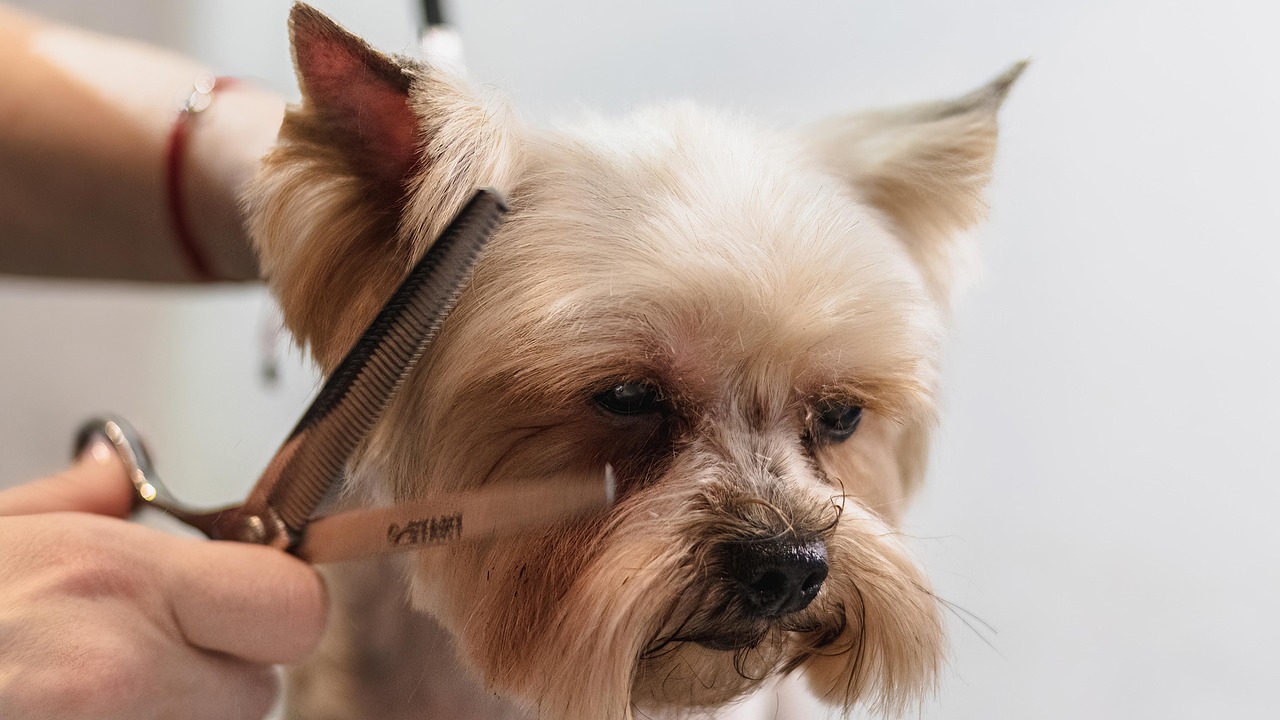
Grooming plays an essential role in maintaining the health and hygiene of dogs, which directly impacts the overall health of their owners. Regular grooming not only helps in removing dirt and debris from a dog’s coat but also reduces allergens that may trigger allergic reactions. Dog fur and dander can accumulate in various areas of the home, leading to potential allergies for sensitive individuals. By prioritizing grooming, dog owners can actively minimize these allergens, making the living environment more comfortable. Additionally, grooming provides an opportunity for pet owners to examine their dogs for any unusual changes, such as lumps, bumps, or skin irritations. These inspections are crucial for early detection of health issues. Overall, grooming is not merely a cosmetic practice but a vital aspect of pet ownership that supports allergy management. Regular brushing, bathing, and nail trimming contribute to a healthier pet while enhancing the bond between dog and owner. It is an investment in both the dog’s well-being and the family’s health, ensuring a joyful and sneeze-free experience together.
While grooming acts as a preventive measure against allergies, choosing the right grooming tools and techniques is equally important. Different dog breeds possess unique coat types, which require specific grooming methods to be effective. For instance, long-haired breeds like Collies need regular brushing to prevent matting while short-haired breeds may require less frequent grooming. By understanding your dog’s grooming needs, you can ensure all necessary allergens are efficiently removed. Furthermore, consider using hypoallergenic shampoos and conditioners when bathing your dog to decrease the likelihood of skin irritations and allergic reactions. Be aware of the frequency of baths as over-bathing can strip the natural oils from the skin, which can lead to further skin issues. Additionally, drying your dog’s coat properly after bathing helps prevent mold or mildew growth, which could contribute to allergies as well. Furthermore, maintaining a clean grooming environment, including regularly washing grooming tools and brushes, decreases the risk of allergens accumulating there. In doing so, both dogs and their owners can enjoy the benefits of effective grooming while minimizing allergy-triggering substances.
The Importance of Healthy Skin and Coat
Healthy skin and coat are vital components of a dog’s overall well-being, impacting the dog’s allergenic potential. Dogs with skin irritations, infections, or parasites may shed more dander and allergens, making regular grooming essential for minimizing these issues. Grooming routines contribute significantly to maintaining skin health by stimulating blood flow, distributing essential oils, and removing dead skin cells. This routine not only enhances a dog’s coat appearance but also ensures optimal skin condition. Be vigilant in checking for parasites such as fleas, ticks, or mites during grooming, as these unwanted guests can worsen allergic reactions for both dogs and their owners. Any signs of scratching, biting, or discomfort may indicate underlying issues that require prompt veterinary attention. Keeping the skin healthy through diligent grooming practices is vital in minimizing excess shedding, thus reducing allergens in the home and improving quality of life for both pet and owner. Additionally, consider consulting a veterinarian for tailored advice about specific grooming frequencies based on your dog’s breed, age, and health condition to provide the best support for their needs.
In addition to regular grooming, maintaining a clean home environment is crucial to effectively reducing allergens. It is important to schedule regular cleaning sessions, including vacuuming carpets and upholstery, to minimize any potential accumulation of pet dander and hair. Choosing hypoallergenic cleaning solutions may also help reduce irritants. Wash your dog’s bedding, toys, and blankets frequently to keep potential allergens to a minimum. Making adjustments such as designating pet-free zones in the home can provide a haven for allergy sufferers, allowing them a comfortable space in which to reside. Additionally, consider investing in air purifiers equipped with HEPA filters, as these devices can help catch airborne allergens, providing improved air quality. Properly managing the indoor environment in which you and your dog coexist can lead to a decrease in allergic reactions. Creating a systematic way to combine grooming with home cleaning efforts can lead to an overall healthier living space. Ultimately, establishing these routines not only provides a better atmosphere for allergy-sensitive individuals but also fosters a more enjoyable bonding experience with pets.
Diet and Grooming for Allergic Dogs
Diet also plays a significant role in the grooming process, particularly for dogs with allergies. Understanding the nutritional needs of your dog can help improve skin health and minimize overall allergy symptoms, which directly impacts grooming experiences. A balanced diet rich in Omega-3 and Omega-6 fatty acids can promote healthy skin and a lustrous coat, reducing the burden of allergens. Be mindful of potential food allergies that could lead to skin irritations and rashes, which may require adjustments in grooming approaches. For example, if your dog has a sensitivity to certain ingredients, they may need specialized shampoos or skin treatments to maintain their comfort during grooming sessions. Moreover, consulting with a veterinarian regarding food choices and dietary supplements can be beneficial in managing allergies while enhancing coat health. In addition, hydration is essential for maintaining healthy skin; ensure your dog has access to fresh water at all times. Overall, implementing a comprehensive approach to grooming and dietary considerations can significantly contribute to preventing allergies in dogs, creating a more harmonious living environment.
When considering grooming methods, it is also crucial to recognize the emotional aspect of the grooming experience for dogs. For dogs prone to anxiety or fear during grooming practices, gentle and positive reinforcement is key. Establishing a calm environment can significantly affect their reaction to grooming activities. Utilize treats, soothing voices, and gradual introductions to grooming devices to help foster a positive association. Building this trust can make the process smoother and less stressful for both the dog and the owner. Alternatives like professional grooming services often have experience in working with anxious dogs, and they may provide additional insights and recommendations for improvement. Regular grooming sessions enable you to familiarize your dog with the process, helping them become accustomed to the sensations rather than fearing them. Furthermore, ensuring your dog enjoys some downtime during grooming, including breaks and treats, emphasizes a positive experience. Ultimately, understanding your dog’s emotional needs during grooming contributes to not only their comfort but also a stronger bond, further improving health and minimizing allergy triggers.
Conclusion: The Benefits of a Comprehensive Approach
In conclusion, grooming plays a multifaceted role in allergy prevention for both dogs and their owners. By combining regular grooming practices with a clean living environment and dietary considerations, pet owners can significantly reduce allergens present in their homes. Understanding your dog’s unique grooming needs is vital, as is selecting appropriate tools and methods to maintain a healthy coat and skin. Incorporating educational resources and possibly consulting with professionals can enhance the effectiveness of grooming routines. The emotional well-being of dogs must also be remembered, as positive experiences during grooming lead to better cooperation and lower stress levels. Ultimately, taking a comprehensive approach to grooming not only supports the health and comfort of dogs but also cultivates a better living environment for the entire household. This unified effort encourages bond strengthening while effectively managing allergies. Embracing these practices ensures that both dogs and owners can enjoy their time together without the hindrance of allergy-related issues. Prioritizing a holistic grooming approach fosters a healthier relationship and contributes to the well-being of everyone involved.
By embracing these grooming routines and proactivity, pet ownership becomes a deeply fulfilling experience that caters to both the dog’s needs and the owner’s health ultimately.