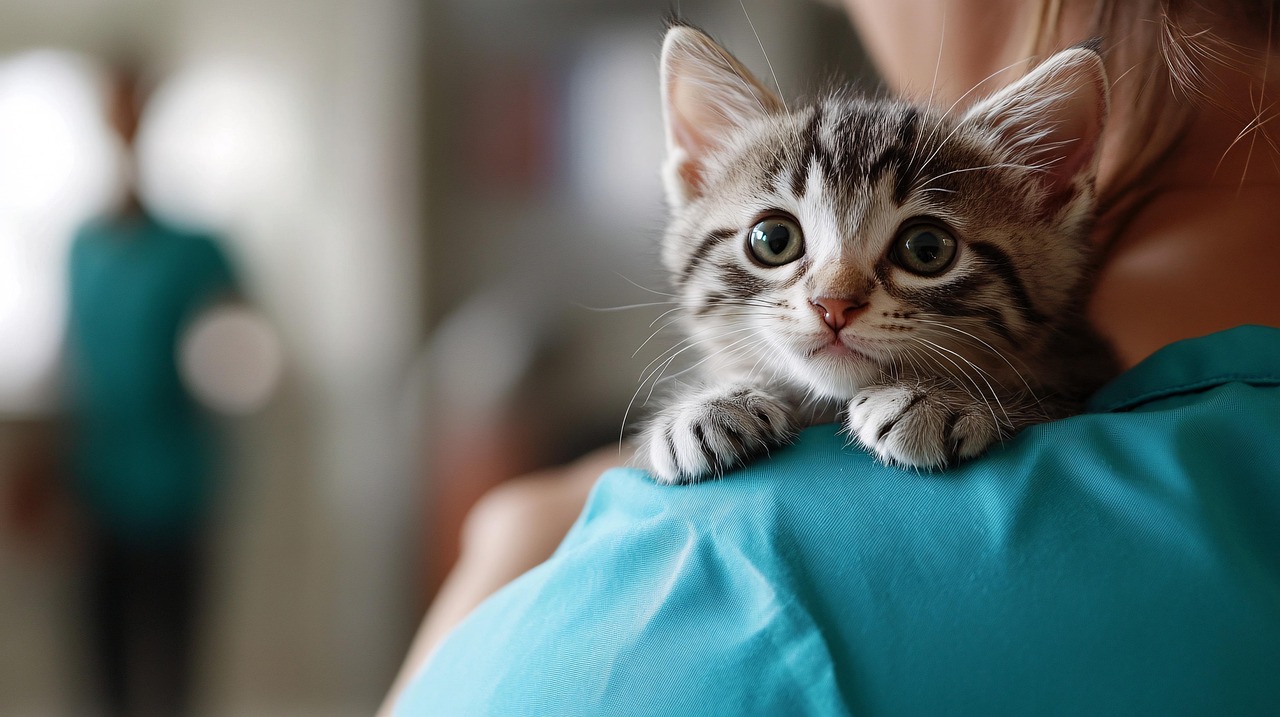

Common Health Issues in Kittens and How to Prevent Them
When caring for kittens, it’s essential to be aware of common health issues they may face. Kittens are susceptible to various infections, parasites, and other health concerns that can impact their well-being. Understanding these issues is vital for every cat owner. For example, respiratory diseases like feline herpesvirus can be a significant concern. This virus spreads easily among cats, especially in shelters or multi-cat homes. Symptoms include sneezing, nasal discharge, and watery eyes. Another prevalent issue is gastrointestinal parasites, such as roundworms and hookworms, which can cause abdominal discomfort and poor growth. Regular deworming and stool checks can help in prevention. Vaccinations play a crucial role in keeping kittens healthy. Consult with your veterinarian about a vaccination schedule tailored for your kitten’s age and lifestyle. Nutritional deficiencies can also lead to health complications, so ensuring a high-quality diet is fundamental. Lastly, regular veterinary check-ups can help catch any potential issues early on. This will establish a strong, healthy foundation for your kitten as they grow into adulthood.
Common Infectious Diseases
Beyond general health monitoring, specific infectious diseases can threaten a kitten’s life. One such disease is feline panleukopenia, a viral infection that can cause severe gastrointestinal issues in young cats. This virus spreads through contaminated objects and can survive in the environment for months. Signs of infection include vomiting, diarrhea, and lethargy. Rapid vaccination is crucial within the first weeks of life; that’s how to prevent this illness effectively. Additionally, feline leukemia virus (FeLV) poses higher risks for unvaccinated kittens, especially those living outdoors. FeLV compromises the immune system, exposing the kitten to various infections. Testing and vaccination against FeLV should be a conversation during your veterinary visits. Another severe threat is feline immunodeficiency virus (FIV), which also affects immunity but is transmitted via bite wounds. Spaying and neutering can mitigate the chances of outdoor fights leading to FIV exposure. In conclusion, being knowledgeable about these infectious diseases and seeking prompt veterinary interventions is crucial for ensuring a long and healthy life for your kitten.
Among the non-infectious health issues, dental problems are a significant concern for kittens. Just like humans, kittens require proper dental care to prevent gingivitis and periodontal disease later in life. Regularly providing dental treats and introducing cat-friendly toothbrushes are viable preventive methods. Monitor your kitten’s oral health by looking for signs like bad breath or swollen gums. Early intervention can prevent costly treatments later on. Another critical area is weight management. Obesity is on the rise in pet populations, including kittens. To ensure healthy growth, provide a balanced diet and engage in interactive play. Excessive weight increases the risk of diabetes and joint problems down the road. Be wary of how many treats you offer, and keep track of their overall caloric intake. Kittens should be active, and maintaining their ideal body condition is key. Behavioral issues can also arise from a lack of stimulation, leading to stress or destructive habits. Providing scratching posts, toys, and climbing areas can help channel their energy productively. Keeping tabs on both dental health and weight is essential for your kitten’s long-term health and happiness.
Nutritional Considerations
Nutrition is another cornerstone of kitten care that directly influences health outcomes. It’s vital to offer a diet formulated specifically for kittens, as they have different needs than adult cats. Rich in protein and essential vitamins and minerals, these specialized foods promote healthy growth and development. Look for quality brands that use real meat as their primary ingredient. Avoid foods high in fillers, which can lead to obesity and malnutrition. Feeding your kitten frequently throughout the day can also support their developing digestive systems. Regular feeding schedules help in establishing a routine that your kitten will appreciate. Also, consider wet food options, as they provide hydration alongside nutrition. Be cautious about sudden diet changes; these can upset a kitten’s stomach. Gradually introducing new food can minimize gastrointestinal distress. Additionally, offer fresh water to keep your kitten hydrated, especially if they consume dry food. Always consult with a physician before switching brands or types, ensuring your kitten gets a balanced diet suitable for their age and health condition. Adhering to these nutritional guidelines lays the foundation for optimal growth and wellbeing.
Another common health issue in kittens involves their eyesight and vision health. Cats are generally known for their superior night vision, but kittens are born with closed eyes. As they grow, it’s critical to monitor for signs of discomfort or vision problems. If a kitten appears to squint frequently or shows reluctance to play, seeking veterinary advice promptly is essential. Kittens are susceptible to conditions like congenital cataracts or retinal issues, which could lead to vision loss. Regular check-ups can help identify these problems early, allowing for potential treatments that could preserve eyesight. Furthermore, make sure your home environment is safe for exploration; sharp objects, toxic plants, and small items must be eliminated to reduce injury risk. Providing adequate lighting can also support their burgeoning sight during play and exploration. Simple measures like ensuring a comfortable, bright environment significantly impact your kitten’s visual health. Keeping an eye on your kitten’s eye conditions will ensure they develop into healthy, alert adult cats. Overall, engaging with conscious care strategies means a positive vision experience.
Grooming and Skin Health
Grooming is an often-overlooked aspect of kitten care that plays a role in their overall health. Regular grooming serves multiple purposes, including the prevention of matting, reducing shedding, and monitoring for skin conditions. A kitten’s coat should be fluffy and clean; if it appears dull or dirty, it could signify an underlying health issue. Regular brushing can also improve your kitten’s bonding with you, helping them feel secure. Bathing should be minimized unless necessary, as frequent washing can strip natural oils from their skin. When you do bathe, use gentle, kitten-specific shampoos to avoid skin irritations. Furthermore, checking for fleas and ticks during grooming sessions is essential, especially for outdoor kittens. If you find any parasites, consult a veterinarian for the appropriate treatment. Keeping your kitten’s skin and coat healthy contributes to their comfort and can prevent severe dermatological conditions later in life. Also, look for redness or unusual bumps, as these can indicate allergies or infections. Your focus on grooming helps ensure your kitten remains both healthy and happy.
As our kittens grow, the likelihood of behavioral issues becomes more pronounced due to the changing phase of their lives. Early socialization plays a critical role in forming a well-adjusted adult cat. Introduce your kitten to various environments, sounds, people, and other pets to build their confidence. Positive reinforcement training, using treats and praise, can help reinforce desirable behaviors. Common issues like litter box problems can often stem from stress or not providing sufficient resources. Establish multiple litter boxes in different areas if you have more than one pet, which can alleviate territorial disputes. Additionally, be observant of any changes in behavior, as they might signal health issues. If your kitten suddenly becomes withdrawn or aggressive, it’s best to consult your veterinarian promptly. Redirecting negative behaviors through enriched play or interactive toys can also help maintain harmony in your household. Paying close attention to emotional well-being completes a comprehensive kitten care plan, ensuring they grow into happy and well-rounded cats. Ultimately, understanding and supporting your kitten’s behavioral needs prevents issues that could affect their quality of life.