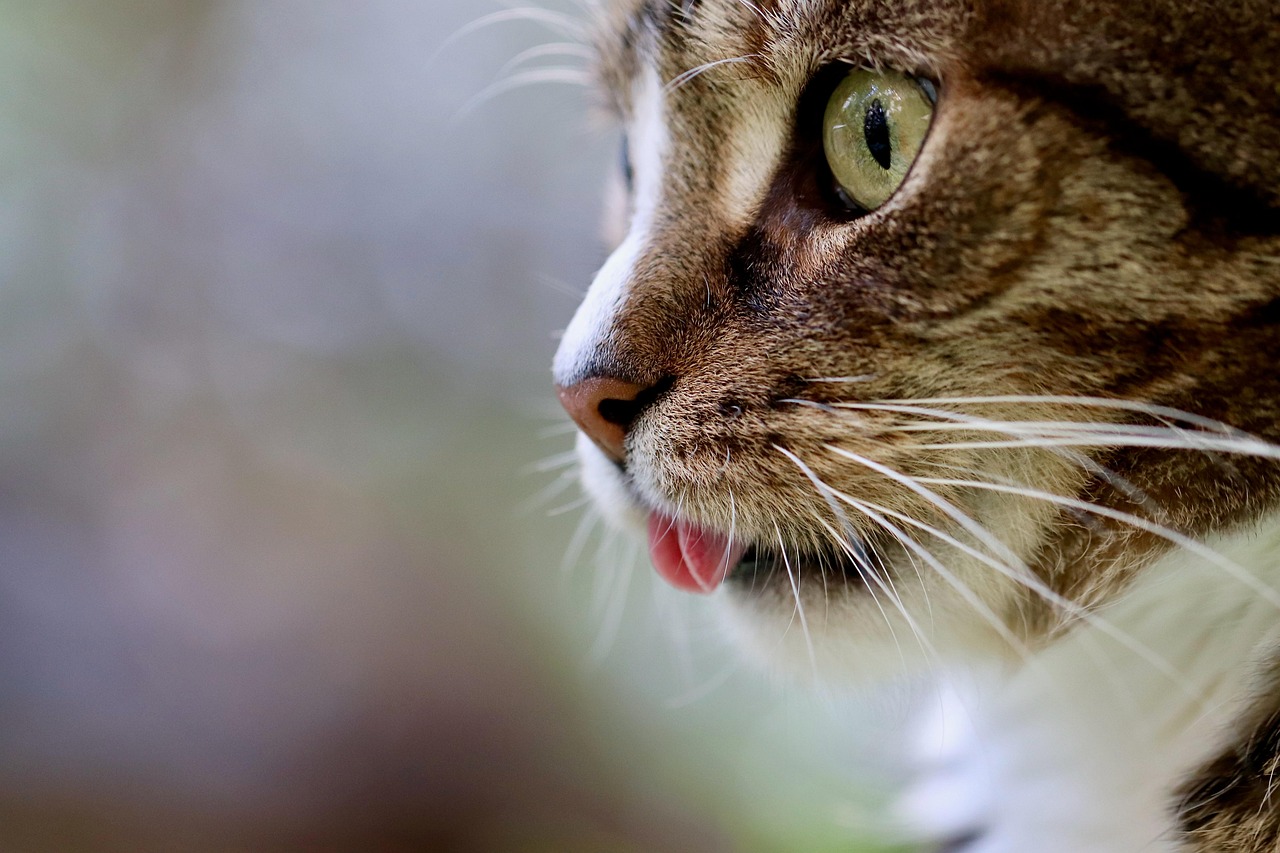

Understanding Feline Aggression
When introducing a new cat into your home, aggression can be a significant challenge during the acclimatization process. Recognizing the signs of aggression in both the resident and new cat is vital. Common behaviors indicating hostility may include hissing, growling, and swatting. It is crucial to understand that this aggression often stems from fear or territorial instincts. Cats are naturally solitary animals, and a sudden change in their environment or social structure can be unsettling. To minimize aggression, start with a slow introduction, which allows cats to become accustomed to each other’s scents before any face-to-face interaction. Using a pheromone diffuser can also help reduce stress levels. Should conflicts arise, immediately separate the cats into different spaces and provide each one with their own territory. This can prevent escalation and allow them to calm down. Gradually reintroducing them over time, while providing treats and positive reinforcement, encourages a more harmonious relationship. Additionally, ensuring they have access to escape routes and safe hiding places will help calm their nerves during the process.
Preparing the Environment
Creating a safe environment for both cats is critical to reducing the chances of aggression during introductions. Ensure separate spaces are established, where each cat can feel secure and safe. Provide them with resources like food and water, litter boxes, and hiding spots to lessen their stress. Cats are territorial creatures, and they want to feel that their needs are met without competition. Feeding each cat in their designated area can promote a sense of security, along with helping them associate positive experiences within their personal territories. Gradually allowing them to become accustomed to each other’s scents helps to lessen territorial instincts. Consider engaging in scent swapping, where you gently rub a cloth on one cat and then allow the other to smell it. This method lets them become familiar with each other’s scent, which benefits future interactions. Utilize vertical space in your home as well, like cat trees or shelves, so that each pet can claim their territory without feeling threatened. Such careful preparation is essential for lowering aggression and fostering a peaceful coexistence between your cats.
Gradual Introduction Steps
The key to preventing aggression in cat introductions lies in gradually allowing them to interact. Start by keeping the new cat in a separate room, providing a safe haven where they can become acclimated to their new home. After a few days, allow the resident cat to explore this area while leaving the newcomer behind a closed door, facilitating scent exchanges through feeding or toys. This step helps both felines become more familiar with one another without direct confrontation, which can provoke anxiety or fear. After several days of confined swapping, consider a brief supervised meeting. Always ensure the initial interactions are short and positive. Use treats to reward desirable behaviors, reinforcing calmness and acceptance. Monitor their body language closely, and do not hesitate to separate them if tensions arise. Gradually increase the length of their time together, allowing them to explore shared spaces. Always prioritize safety and intervene as necessary. Remember that the process can take weeks to months, so patience is crucial. Rushing can lead to setbacks and prolonged aggression, which can impede eventual acceptance.
Interpreting Your Cats’ Signals
Understanding your cats’ body language is crucial in managing their behavior during introductions. Cats communicate through various signals — from the flicking of their tails to their ear positions. A raised tail typically indicates confidence, while a puffed-up tail suggests fear or aggression. Identifying these cues can help determine when to intervene if the interaction becomes too intense. If one cat appears to be retreating, displaying flattened ears, or low growls, it’s essential to step in and separate them to avoid aggressive encounters. Likewise, pay attention to vocalizations; hissing or growling is a clear indicator that a cat feels threatened. Equally important is the posture; crouching or a ready-to-pounce stance can signal impending aggression. The sooner you understand these cues, the better able you’ll be to manage their interactions and prevent unnecessary conflict. Allow each cat to have their own space while they get accustomed to each other’s presence. Providing toys during interactions can help distract your cats and keep them engaged without feeling threatened. Ultimately, careful observation and patience will enable you to create a peaceful environment.
Positive Reinforcement Techniques
Using positive reinforcement techniques can effectively encourage better behavior during cat introductions. When your cats are calm and well-behaved in each other’s presence, provide them with treats, praise, or engaging play as rewards. This approach creates an association between the other cat’s presence and pleasant experiences, which can reduce fear and aggression. Incorporate puzzle feeders or interactive toys that require teamwork for their enjoyment. This not only provides mental stimulation but helps them bond while shifting focus away from aggressive tendencies. Establish a predictable routine for both cats to further reduce anxiety. Regular feeding times and play sessions can create a sense of stability in your household. Remember that each interaction is a learning opportunity; always focus on building trust through gradual exposure. Also, avoid punishing aggressive behavior, as this can have the opposite effect, increasing fear and worsening relations. Instead, redirect their focus towards positive interactions. In situations that seem overwhelming, don’t hesitate to take a step back. Reinforcement should be consistent and specific to gradual success to encourage a harmonious environment.
Utilizing Feline Calming Products
To help smooth the introduction process, consider utilizing feline calming products available on the market. These often come in the form of pheromone diffusers, sprays, or calming collars, mimicking natural pheromones that cats produce to feel safe and secure. Such products can alleviate anxiety and minimize the chances of aggressive behavior while your cats are getting accustomed to one another. Another useful tool is a relaxation blanket supported by a soft, soothing texture, which makes for a cozy retreat where cats can feel comfortable. Many cats respond positively to gentle classical music; this creates a calm atmosphere that can lower their stress levels during interactions. Incorporating playtime using wand toys can also distract them from confrontation, providing physical outlet alongside fun. Always ensure to closely monitor their behavior when using these products to see how they react. Not all cats will respond the same way, so be flexible and adapt your approach. Combine calming products with patience to increase the likelihood of a peaceful coexistence between both felines, creating a conducive environment for successful integration.
Monitoring Progress and Revising Strategies
After beginning your introduction process, continuous monitoring of both cats helps assess how well they are adjusting. Each cat’s reaction will provide insights into their comfort levels and potential triggers for aggression. Keep a record of positive and negative interactions to track any patterns in behavior over time, which can inform necessary adjustments to your strategy. If progress stalls or aggression escalates, revisiting previous steps is important. This may entail returning to earlier phases of separation, giving them time to acclimate further. Communication between cats can improve with consistent structure and supportive environments, allowing them to conquer territorial disputes and anxiety. You may also consider an environmental enrichment approach, like altering the layout of their shared space or introducing novel objects within their territories. Always be patient, as acclimatization can vary from cat to cat. It is crucial to celebrate small victories and remain vigilant to the changing dynamics. Remember that every cat is different, urging you to adapt and tailor your approach to fit their needs, ensuring a smoother transition for both of your beloved felines.
Conclusion and Next Steps
In conclusion, handling aggression during the introduction of new cats requires patience and careful planning. Recognizing the signs of aggression, preparing the environment, and allowing gradual introductions can significantly reduce friction between the cats. Positive reinforcement, along with the use of calming products, will further foster a peaceful coexistence. As you monitor their progress and revise your strategies accordingly, it is essential to keep a constant focus on your cats’ needs and emotions. Provide them with safe spaces, engaging activities, and individual attention to strengthen their bond over time. The journey of integrating two cats can be lengthy, but the resulting companionship and mutual respect developed can be immensely rewarding. Understanding that setbacks might occur is part of the process; don’t become discouraged. Celebrate small achievements and be flexible in modifying your approach as necessary. By building trust and providing a reliable framework for their interactions, you create a more harmonious living environment. With consistent monitoring and care, you can lead both cats to a loving and friendly relationship that benefits everyone in the household.