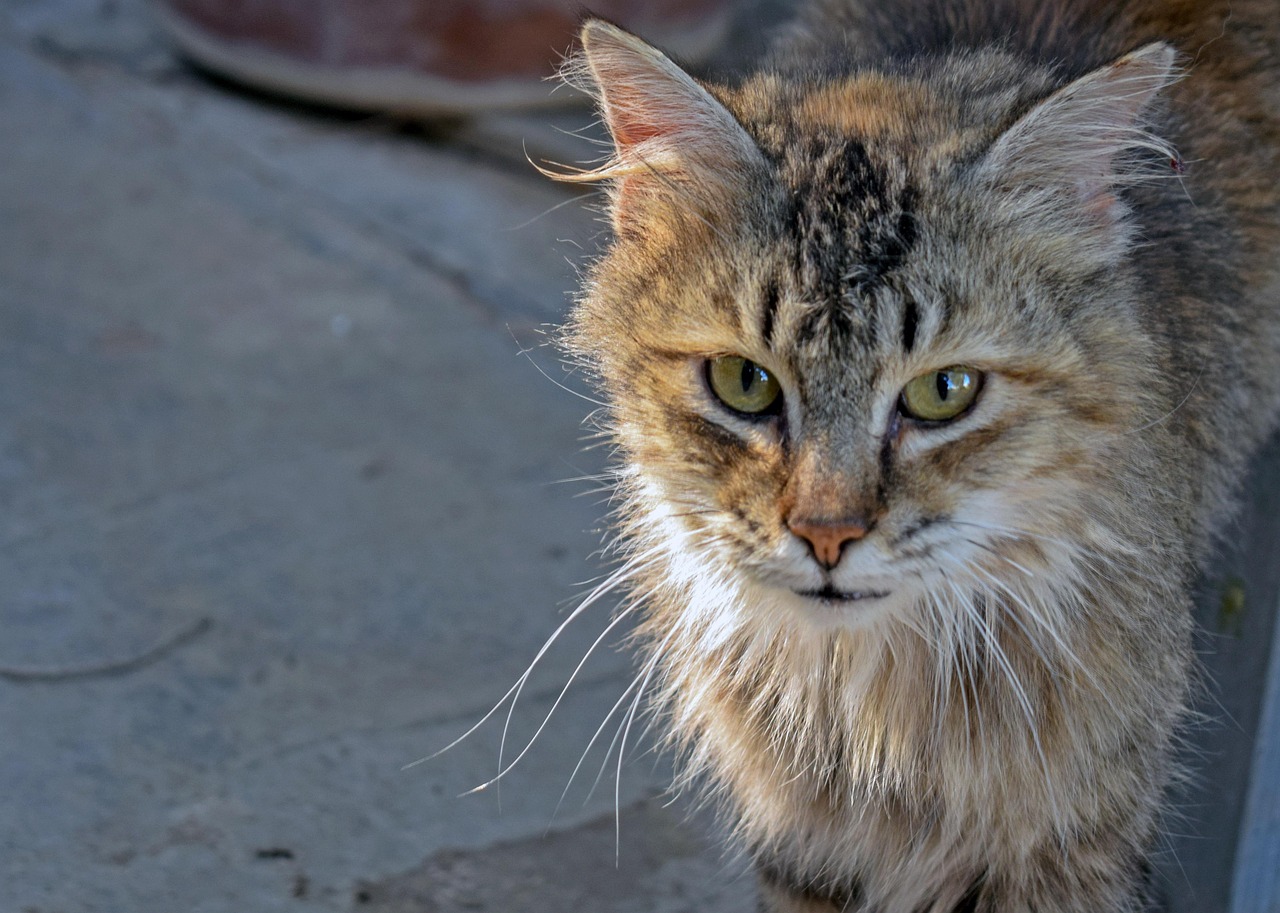

How to Manage Feeding Stray Cats Without Causing Overpopulation
Feeding stray and shelter cats is crucial for their well-being and health. However, it is essential to do this in a responsible manner. Providing food helps to ensure that these cats receive adequate nutrition. At the same time, feeding them requires a strategy that prevents overpopulation. One effective way to manage this is through Trap-Neuter-Return (TNR) programs. By implementing TNR, community members can assist stray cat populations safely. Cats are trapped, spayed or neutered, vaccinated, and returned to their original locations. This helps manage the population sustainably. Feeders play an important role in ensuring these cats remain healthy while curbing further overpopulation. Regular feeding schedules are beneficial; they ensure that cats have a reliable food source, reducing the likelihood of them scavenging or breeding indiscriminately. It also helps in monitoring their health more efficiently. Consequently, cat feeders should educate themselves about proper feeding techniques and best practices while engaging with their community. Sharing knowledge with others can foster a more supportive environment for feral and stray cats alike.
Creating a feeding station encourages a consistent place where cats can access their meals. These stations should be sheltered from harsh weather conditions. A simple shelter made of plastic or wood can help protect food and cats from inclement weather. Feeders should ensure that the shelter is kept clean and food bowls are washed regularly. This helps maintain hygiene and discourages pests. In addition, only providing enough food ensures that the meals are finished, ultimately reducing waste. Monitor how much food is consumed daily to adjust feeding amounts accordingly. Community awareness is also crucial in the effort to manage stray cat populations effectively. Enlisting help from neighbors creates a supportive network that benefits both cats and community members. This can lead to shared resources, knowledge, and strategies. Encourage those in your community to participate in TNR programs for significant impact. Proper education about the importance of spaying and neutering is vital for reducing stray populations. It is also necessary to communicate responsible feeding practices so that more individuals join the cause. By fostering a culture of care for strays, communities can effectively tackle the issue of stray overpopulation.
Understanding Cat Behavior and Nutrition Needs
Understanding the dietary needs of stray cats is essential for offering proper nutrition. Stray cats often forage for food, so providing balanced meals is crucial. They require a mix of proteins, fats, and carbohydrates. Commercial cat food typically meets these nutritional criteria, making it a reliable choice. Wet food is often favored due to its moisture content, which helps keep the cats hydrated. When selecting food, consider those that are devoid of artificial additives and fillers. Both wet and dry cat food can be provided to suit different preferences. Offering multiple feeding options can ensure that even the most selective feral cats find something to eat. Additionally, monitor the quality of the food to prevent waste. Over time, feeders should track the health and weight of the cats they support. This tracking helps identify any nutritional deficiencies or health issues. Regular visits to a veterinarian can assist in identifying potential health problems early on. By remaining vigilant and proactive, the nutritional needs of stray cats can be met while promoting their well-being overall. Ensuring healthy cats also aids in controlling the overall population effectively.
Encouragement of local environmental awareness promotes healthier community dynamics. Fostering a sense of responsibility within the neighborhood creates collective efforts towards managing stray cat populations. By educating community members about the implications of not spaying or neutering, the impact is more likely to be felt. Organizing workshops that discuss cat care and TNR initiatives can cultivate community support. Involving local veterinarians in these efforts can significantly enhance the educational aspects. They can offer valuable insights and assistance for feeding programs and veterinary care. Additionally, maintaining communication with local animal welfare organizations ensures resources are shared effectively. Pets and strays can live harmoniously if communities take an active role in promoting responsible cat management practices. Collaborating with local organizations can help garner support for initial initiatives while tackling misconceptions surrounding feral cats. Cat care is not solely about feeding but about fostering a healthier living situation for both felines and the community. Understanding the impact of proper management can significantly reduce the risks of overpopulation while enhancing the quality of life for all involved. By joining forces, communities can work towards a balance that ensures peaceful coexistence.
Responsible Practices in Feeding Stray Cats
Incorporating responsible practices is essential for effective stray cat management. First, feeding should have a set time. Establishing a routine can help maintain order and prevent mismanagement. This way, cats learn when and where to find food. Make sure to provide adequate portion sizes to avoid food wastage. Monitor the cats to ensure they are eating enough and not fighting over food. If cats appear overfed or malnourished, adjust the feeding amounts accordingly. Furthermore, documenting the number of cats in a feeding area allows for better tracking of the population. This information is vital for assessing the success of TNR initiatives. Community endeavors should include regular discussions on strategies and potential challenges with the feeding program. Developing relationships with local animal shelters can also provide insights into best practices. Engaging volunteers can lighten the workload while introducing more ideas for community involvement. Feeding stations should be replenished daily to ensure that cats do not starve. Providing dry food can also ensure longer availability without refrigeration. All these practices combined lead to better health outcomes for stray cats.
Ultimately, the aim is to provide a safe, loving environment for stray cats. With proper care and attention, these animals can thrive without inadvertently contributing to overpopulation. Stray and shelter cats deserve respect, compassion, and quality nutrition. Monitoring their well-being fosters healthier populations. Educated and engaged communities that support responsible feeding practices create a nurturing atmosphere. This will benefit both cat populations and individuals within the community. When stray cat populations are carefully managed, they become less of a burden and more of a community resource. People in neighborhoods can enjoy the presence of healthy, well-fed cats while reducing concerns of overpopulation. Promoting public awareness regarding these practices encourages further support. The combined efforts lead to the creation of a safe environment for the felines in a way that cooperates with local wildlife. Consider introducing educational campaigns in collaboration with local media. This can spread awareness further and impact community perspectives positively. By continually supporting responsible feeding and TNR programs, we can implement effective strategies that care for the animals while ensuring population control. This nurtures both wildlife and community dynamics effectively.
Final Thoughts on Stray Cat Management
In conclusion, feeding stray and shelter cats requires a thoughtful approach to prevent overpopulation. Understanding key practices ensures that strays are fed responsibly while managing their population effectively. Becoming knowledgeable about proper feeding techniques, nutrition requirements, and community involvement are essential components. Collaborating with local animal welfare organizations maximizes the impact of these efforts. Initiating educational programs can raise awareness about responsible cat management practices. The importance of spaying and neutering cannot be emphasized enough in these strategies. Creating a safe feeding environment also facilitates healthier and happier cats. It leads to community engagement, where neighbors can come together to support stray cat welfare. This shared responsibility results in well-fed strays and enhanced local ecosystems. The community benefits from a vibrant stray population without conflicts between residents and wildlife. It becomes essential for every individual involved to sustain these efforts. Advocacy for stray cat welfare promotes a sense of community. Everyone working together can achieve successful outcomes that benefit strays and humans alike. Thus, let’s embark on this initiative for a harmonious cohabitation that respects the lives of every stray cat.
Collectively, integrating proper practices while feeding stray and shelter cats promotes overall well-being. Staying committed to these efforts can significantly reduce community concerns regarding stray populations over time. Being informed can empower individuals to make positive changes that impact both animals and the community. With dedication, stray cats can receive the care they need while addressing local overpopulation issues amicably. Understanding the balance between facilitation of nourishment and prevention of overpopulation is the key to successful management. Initiating conversations within your community can spread valuable insights and encourage further action. Possession of knowledge will help everyone involved to remain focused on responsible practices that save lives. Let’s take steps towards building safe ecosystems for both community members and stray cats alike. Ultimately, the well-being of strays lies in the hands of informed community members willing to take action. Everyone has the potential to positively influence these cat populations with minimal effort. Join fellow cat advocates to create impactful initiatives for their care. Together, by working in unison, strides can be made to ensure healthier, happier strays thrive beside their communities.