
Designing Cat Play Areas that Reward Natural Hunting Instincts
Creating stimulating play areas for your cat can greatly enhance their physical and mental well-being. Cats are natural hunters, and providing an environment that encourages these instincts is crucial. Begin by considering the layout of the play area, ensuring it simulates a natural hunting ground. Incorporate various structures, such as climbing trees, shelves, and tunnels, to foster exploration. These features not only encourage physical activity but also engage their curiosity. Utilize vertical space, as most cats enjoy climbing and observing their surroundings from above. Moreover, introducing interactive toys within these structures can enhance their hunting experiences. Cats thrive with a mix of solitary and social play, so balancing different types of play items is essential. Also, consider using puzzle feeders to stimulate their problem-solving skills. With the right design, you can create a space where your cat feels both safe and challenged, mimicking the thrill of the hunt. Always keep in mind the preferences and personality of your cat when setting up the area, ensuring that it caters to their unique play style.
Using Natural Elements in Cat Exercise Areas
Incorporating natural elements into cat play areas can enhance the overall environment for your feline friends. Start by adding plants that are safe for cats, as greenery can create a more inviting atmosphere. Consider using catnip plants or herbs they can nibble on to stimulate their senses. Additionally, you might want to integrate natural materials such as wood and sisal for scratching posts. Scratching is an instinctive behavior essential for a cat’s well-being, helping them maintain their claws and marking their territory. Use soft textures, such as faux fur or carpet, to provide comfort in their lounging spaces. The combination of textures will help keep your cat engaged visually and physically. When setting up obstacles, ensure that they mimic natural environments where cats feel comfortable. Include items like logs or rocks to create varying heights and textures. Allow your cat to explore their environment freely, providing them with safe and appropriate challenges. Always supervise your cat during playtime to ensure their safety while they engage with the natural elements you’ve incorporated into their play area.
Understanding a cat’s natural instincts is vital when designing effective play areas. Cats have an innate drive to hunt, which should be considered when creating stimulating spaces. Integrating features that imitate their natural hunting grounds encourages active play. Creating hiding spots, such as boxes or enclosed spaces, allows your cat to practice stalking behavior. Additionally, include toys that move unpredictably, such as feather wands or laser pointers, to spark their hunting instincts. Utilizing varied motion enhances their engagement, making hunting feel more authentic. Remember that interactive play sessions with you can also fulfill their need for exercise. Schedule regular playtime into your daily routine to strengthen your bond with your cat. Furthermore, consider observational perches where your cat can sit and watch outside birds or other wildlife. This kind of visual stimulation helps satisfy their predatory nature without the need for direct involvement. By understanding their instincts and providing essential play elements, you foster a stimulating environment that not only satisfies their need to hunt but also provides mental stimulation and physical exercise.
Choosing the Right Toys for Your Cat
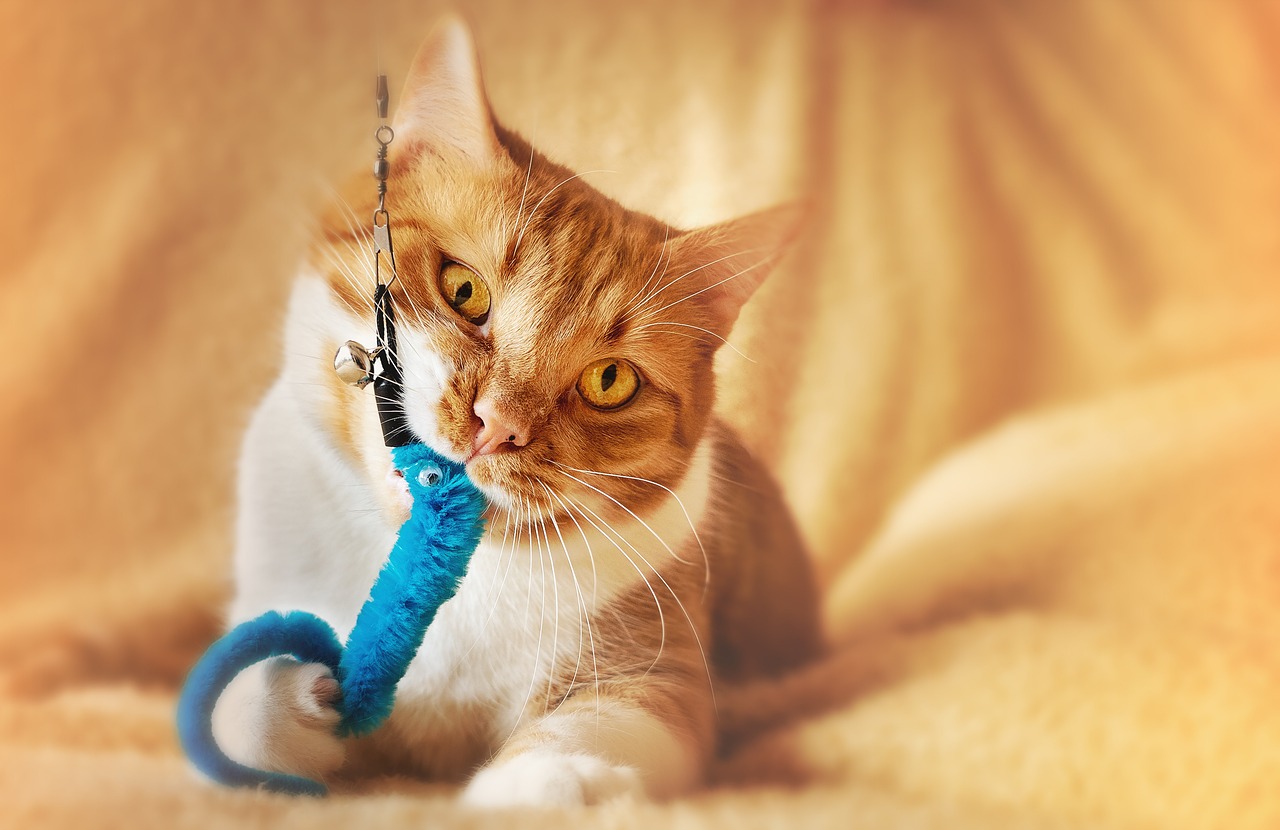
Selecting appropriate toys for your cat is crucial for creating interesting play areas. Cats have varying preferences, so it’s essential to experiment to find the best fit. Soft, plush toys are perfect for those cats that enjoy cuddling and carrying their toys around. On the other hand, some cats prefer to engage with toys that mimic prey, such as those that flutter in the air or move unpredictably. Interactive toys, such as puzzles and treat dispensers, can also provide mental stimulation for your cat while rewarding their efforts. Additionally, consider rotating toys regularly to keep your cat engaged and to prevent boredom. A variety of textures, sizes, and shapes can keep your cat fascinated longer. Be sure to monitor your cat during playtime to ensure that the toys remain safe. Discard any damaged toys to avoid choking hazards. Furthermore, you can also create DIY toys, like balls made from crumpled paper or catnip stuffed socks, to keep your play area diverse and within budget. Overall, providing engaging toys will enhance your cat’s exercise experience.
Incorporating sensory stimulation into cat play areas is another way to promote a rewarding experience. Cats rely heavily on their senses, particularly sight and smell, to explore their environments. Include visually stimulating elements such as colorful toys or moving objects to capture their attention. Moreover, incorporating different textures can keep their tactile senses engaged. Providing climbing areas allows your cat to survey their surroundings from various angles. Hiding treats or toys within your play area can encourage exploration and problem-solving as they search for hidden treasures. To enhance their olfactory experiences, consider using scent trails made from catnip or introducing scented toys. In addition to keeping physical activity a priority, it’s essential to understand the emotional and psychological benefits of sensory stimulation. Your cat will feel enriched, preventing behavioral issues stemming from boredom. By creating an environment that appeals to all their senses, you provide a fulfilling play area. Understanding your cat’s preferences and needs is key to ensuring they thrive in their specially designed space, making playtime pleasurable and beneficial.
Making Safe Play Areas
Safety is paramount when designing play areas for your cat, as their curiosity can sometimes lead to accidents. Ensure that all play structures are stable and can support your cat’s weight to prevent falls. Use non-toxic materials and finishing products when constructing or purchasing play features to keep your furry friend healthy. Regularly check for any worn-out toys or surfaces that may present choking or injury risks. Avoid small items that might be ingested, as these can pose serious dangers. Protect the play area from sharp edges and ensure it’s free from hazards such as loose cords or small objects that could be swallowed. Additionally, if you introduce enclosed spaces like cat trees, ensure they are designed with sufficient ventilation, so your cat doesn’t feel trapped. Providing a designated area that is free from distractions, such as loud noise or foot traffic, will give your cat a secure space to play. Creating a safety-first approach not only protects your cat during play but also enhances their comfort, making them feel at ease while exploring their surroundings.
Ultimately, the goal of designing cat play areas is to enrich your cat’s life while satisfying their natural instincts. You want to create spaces that cater to their need for exercise, mental stimulation, and exploration. When given appropriate play areas, cats can express their behaviors and enjoy themselves while remaining healthy. Take time to observe your cat’s preferences and behaviors, as they can offer insights into what they enjoy most. Design versatile spaces where they can lounge, play, and explore freely, promoting a healthy lifestyle. In addition to physical benefits, engaging play areas can also diminish stress and anxiety, allowing cats to thrive in their homes. Remember to make adjustments as needed, ensuring the play environment remains fresh and inviting. Continuous interaction, whether it’s through play or simply spending time together, strengthens your bond with your pet. Keep monitoring your cat for any changes in behavior or preferences, adjusting their play area accordingly. A well-designed play area is an investment in your cat’s happiness, promoting a fulfilling and adventurous life.
Conclusion: A Fulfilling Environment for Cats
In conclusion, designing cat play areas that reward their natural hunting instincts encompasses a variety of critical elements. It encompasses the right toys, sensory stimulation, safety measures, and natural features that contribute to your cat’s overall well-being. By providing a diverse range of play options, you simultaneously cater to their physical needs and encourage mental engagement. Monitoring their interactions with the space allows you to adjust as they evolve, ensuring continuous fulfillment. Creating distinct spaces also encourages healthy exercise, diminishing obesity risks and promoting longer, happier lives. By focusing on the needs and instincts of your feline companion, you ensure they lead fulfilling and enriched lives. Taking time to understand what excites and entertains your cat translates into happier moments together. A thoughtful approach will not only enhance their playtime but will also strengthen your bond. Through these play areas, you create a nurturing environment that respects their instincts and encourages playfulness. Overall, a well-crafted play space is invaluable, benefiting both cat and owner, leading to joyful interactions, exercise, and a content feline.