
Do Indoor Cats Play Differently Than Outdoor Cats?
Understanding how cats play is essential for evaluating their overall well-being and happiness. Cats indeed have varied playstyles depending on their environment, be it indoor or outdoor. Indoor cats frequently engage in play that simulates hunting behavior, employing their agility and stealth indoors. These can include pouncing on toys, chasing string or laser pointers, and stalking feathered wands. As they develop their playful nature, indoor cats benefit considerably from interactive play with their owners, enhancing the human-animal bond. This bonding experience is vital for their mental stimulation and emotional health. Consequently, owners should dedicate time to engage them with various toys and play sessions. Moreover, these play interactions fulfill a cat’s instinctual drive for hunting, offering a satisfying outlet. Without these activities, indoor cats may experience boredom leading to behavioral issues. Outdoor cats, on the other hand, have different opportunities for engagement, including hunting real prey, climbing, and exploring their surroundings. While they also exhibit thrilling play activities, they often gain experience in actual survival skills. Ultimately, both types of cats play differently, showcasing varied behaviors reflective of their lifestyles.
It is crucial to comprehend that different environments influence a cat’s play habits significantly. Indoor cats can sometimes play more vigorously since they may lack the extensive stimulation that outdoor settings naturally provide. When confined indoors, it becomes necessary for owners to provide variety to their cat’s playtime. Toys such as scratching posts, balls, and mice can create ample fun for indoor felines. Additionally, using interactive toys that mimic prey can induce more instinct-driven play behavior, which helps in keeping them mentally and physically engaged. Another factor contributing to the differences in play is the sheer availability of space. Indoor cats may find themselves restricted in their movements, whereas outdoor cats have the liberty to roam freely. This freedom allows outdoor cats to exploretheir natural environment. Consequently, they often exhibit unique play patterns such as jumping from height, chasing insects, or wrestling with other cats. Understanding these behaviors can assist owners in creating enriching environments that cater to their cats’ natural instincts, regardless of whether they live indoors or outdoors.
Socialization in Play
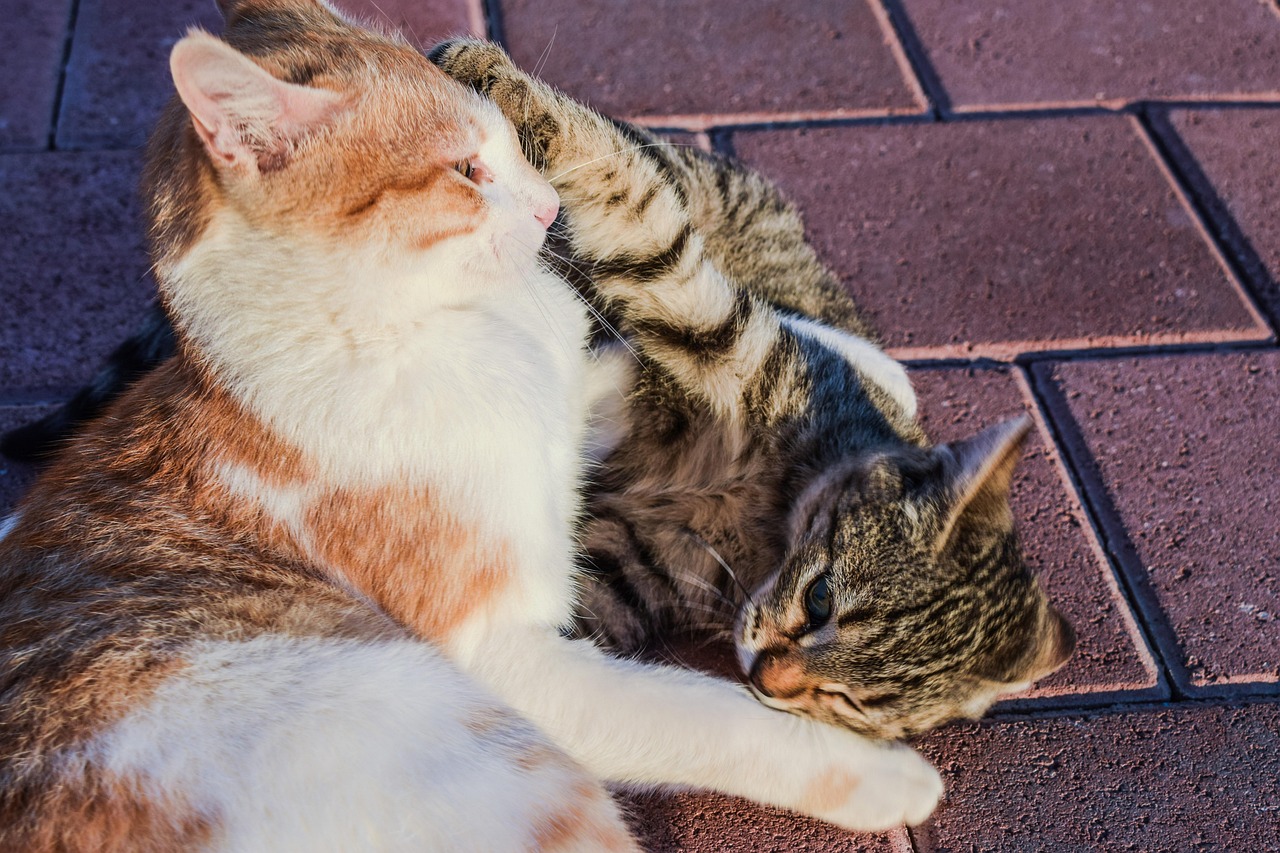
Social interactions during playtime are integral to a cat’s emotional development. Indoor cats often have different socialization experiences than their outdoor counterparts. Many indoor cats rely heavily on owners for playtime and companionship. Hence, it’s essential for owners to engage appropriately to meet their cat’s social needs. Toys that require two participants, such as wand toys operated by owners, offer an engaging way for cats to socialize and play. Additionally, indoor cats may benefit from having another feline as a companion, reducing loneliness and promoting healthy play behavior. In contrast, outdoor cats typically have interactions with various animals, enhancing their social skills beyond human companionship. Their play activities usually involve chasing, wrestling, and even establishing social hierarchy with other local cats. This wide array of social interactions can lead to more balanced and confident feline behavior, reflecting different play adaptations. Owners of outdoor cats must ensure these animals remain safe and express natural play behaviors. Ultimately, socialization during play contributes significantly to behavioral health, highlighting the importance of interactive experiences, whether indoors or outdoors.
The range of stimuli available also plays a role in how cats learn to play. Outdoor cats are often more exposed to various textures, sounds, and movement, which can enhance their natural instincts. The hunt becomes a significant aspect of outdoor play, which involves strategic stalking and capturing. With their natural environment offering almost endless opportunities, outdoor cats learn to navigate and develop problem-solving skills essential for survival that impacts their play style. In contrast, indoor cats may not experience these stimuli, leading to a more predictable style of play. Creating simulated environments that encourage exploration can help close this gap for indoor cats. Owners can employ puzzle feeders, climbing structures, and even cat trees to mimic an outdoor setting. Introducing scents like catnip can also trigger playful behaviors akin to their outdoor counterparts. Nevertheless, focusing on activities that promote these natural instincts in both indoor and outdoor cats remains paramount. Understanding their diverse needs fosters a happier, healthier lifestyle and nurtures their inherent tendencies, improving the overall quality of life for all cats.
Health Benefits of Play
Engaging in regular play contributes significantly to a cat’s physical health, regardless of being indoor or outdoor. Play prevents obesity in cats, which is essential in extending their lifespan and maintaining their overall health. Additionally, playtime exercises essential muscles, aiding in coordination, balance, and agility. Indoor cats can especially benefit from structured play sessions. These sessions can keep them active and prevent sedentary lifestyles, which lead to health complications. Thus, owners should implement a routine that incorporates frequent playtimes throughout the day. Interactive play with owners usually yields the best results in terms of activity levels. For outdoor cats, although they engage in natural behaviors, ensuring they have continuous opportunities for play remains vital. Variety in play helps them stay physically fit and mentally stimulated. Outdoor activities can include climbing trees or playing hide and seek within shrubs. Regular health check-ups for both indoor and outdoor cats can ensure that any health issues arising from inactivity or environmental risks are managed effectively. Ultimately, play is a critical component of maintaining a cat’s health and well-being, regardless of their living situation.
Playtime also serves as a crucial indicator of a cat’s mental state. Various factors can influence a cat’s behavior, such as environment, stress, or health. Indoor cats exhibit signs of stress, anxiety, or boredom through their lack of interest in play. Owners need to recognize these signs early on, as they reflect the emotional health of their feline friends. For example, an indoor cat that suddenly stops engaging in play may require more stimulating activities or a change in environment to reignite their interest. Conversely, outdoor cats may display different signals, such as over-enthusiastic play or territorial behaviors when they are anxious or stressed. Monitoring these behaviors is essential for both types of cats. Keeping an eye on changes ensures that potential issues are addressed timely. Importantly, directed play can reduce anxiety in cats, offering an outlet for energy that might otherwise lead to behavioral problems. Thus, providing a variety of toys and play opportunities can significantly benefit cats’ mental health, promoting happiness and reducing stress regardless of their indoor or outdoor status.
Conclusion
In conclusion, cats exhibit diverse play patterns significantly influenced by whether they are indoors or outdoors. Their environmental factors shape their behavior, social interactions, and techniques utilized during play. Indoor cats often rely more on their human companions to engage in stimulating activities, while outdoor cats experience more varied surroundings that naturally bolster their instincts and enable essential social skills. Numerous health benefits arise from engaging in play activities, from promoting physical fitness to enhancing emotional well-being. Owners play a vital role in fostering a playful environment for their cats. Properly designed spaces with appropriate toys can bridge the differences in play behaviors between indoor and outdoor cats. Ultimately, understanding these variances allows cat owners to nurture enriched life experiences for their cats, regardless of their environment. Both indoor and outdoor cats require dedicated time from their owners to ensure they engage in healthy interactive behaviors that stimulate their instincts and promote well-being. The engaging nature of play importantly contributes to a cat’s happiness and overall quality of life.
To summarize, tailoring a cat’s play environment, whether indoors or outdoors, can significantly improve their overall wellness and happiness. Recognizing how these play styles differ is essential in providing the best care for feline companions of all types. Play is not merely entertainment for our cats; it is a critical component of their lives that serves various purposes from exercise to socialization. Being attentive to their behavioral changes during playtime can lead owners in understanding their specific needs, ensuring each cat develops into a well-adjusted and healthy pet. With informed care and engagement, any owner can create a fulfilling and joyful atmosphere that caters to their cat’s playful instincts and natural behaviors. Moreover, owners can foster peaceful coexistence whether they live alongside other pets or venture outdoors. By understanding the dynamics of play in indoor versus outdoor cats, successful measures can be taken to ensure happiness and health. Regular play should also incorporate safety precautions, especially for outdoor cats, to mitigate potential dangers. Ultimately, playtime should remain a joyful experience that enriches the lives of both cats and their owners, leading to rewarding relationships.