
Chewy vs Crunchy Dog Treats: Which Is Better?
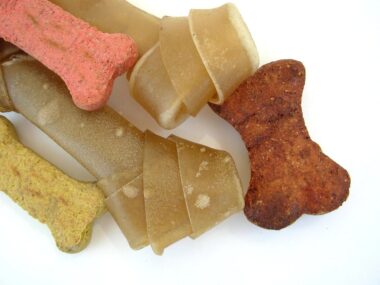
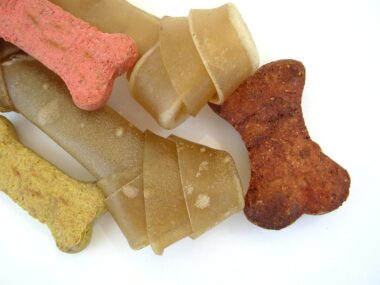
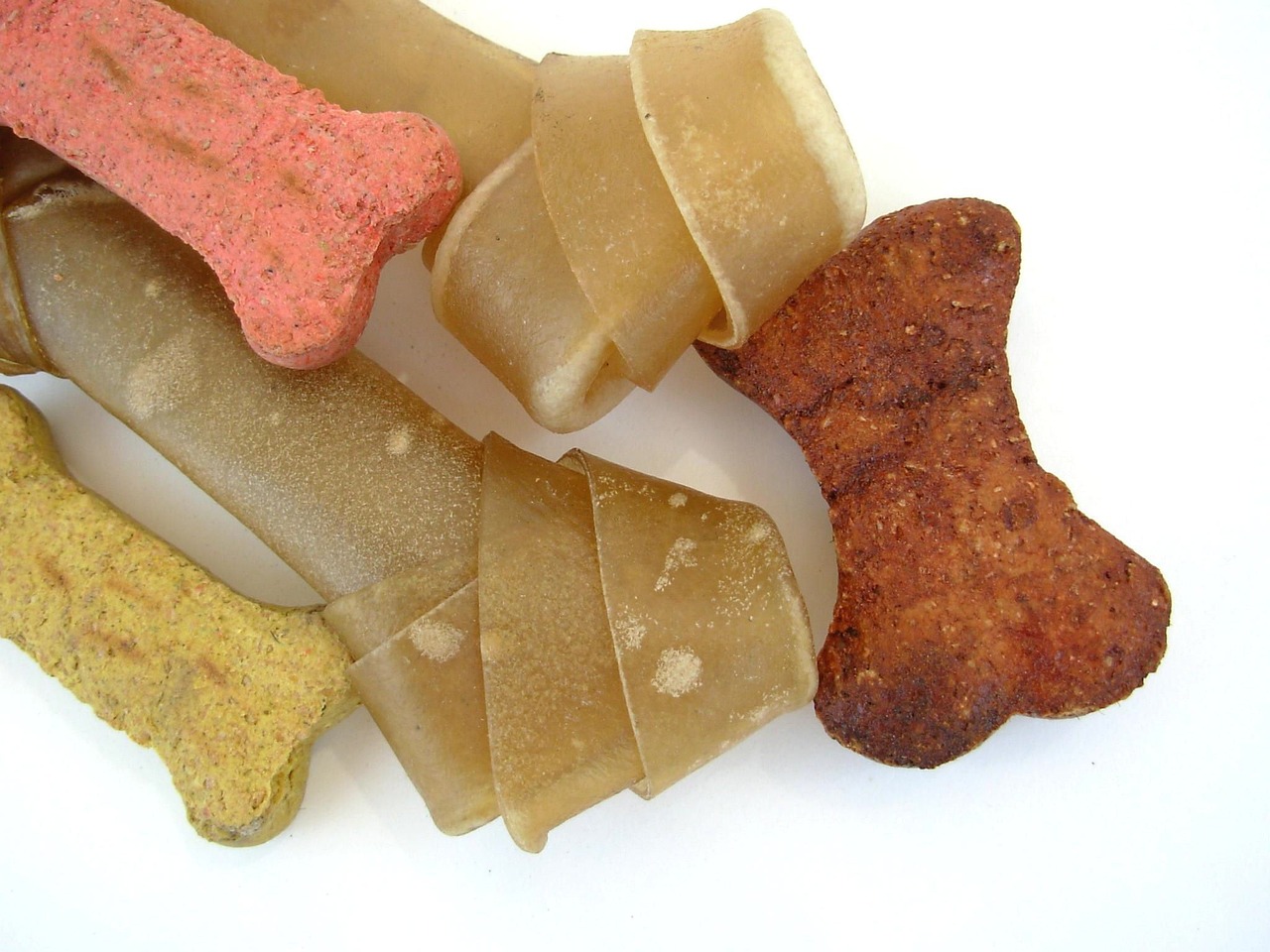
When it comes to dog treats, pet owners often face the dilemma of choosing between chewy and crunchy options. Each variety has its unique benefits and appeal, making it essential to understand the differences to make informed choices. Chewy treats tend to be softer, ideal for older dogs or those with dental issues. They often come packed with moisture, making them more delicious and appetizing for dogs that might be picky eaters. Additionally, these treats can be beneficial for training, as their softer texture allows for quicker consumption, keeping the dog’s focus on the task at hand. Crunchy treats, on the other hand, are known for helping maintain dental health. Many crunchy options are specifically designed to break down plaque and tartar, promoting better oral hygiene. These treats often contain a variety of flavors, enticing the dog to crunch away and enjoy their tasty experience. Overall, the choice between chewy and crunchy treats should be based on your dog’s individual health needs, dietary preferences, and chewing habits.
Assessing Your Dog’s Needs
When evaluating which type of treat is more suitable for your dog, consider their age, dental health, and activity level. Older dogs, particularly those with sensitive teeth, may find chewy treats easier to manage. These soft options are gentle on gums and provide an enjoyable experience without causing discomfort. Alternatively, significant dental care is essential for younger and active dogs. Crunchy treats can help reduce tartar buildup while providing a satisfying crunch that many dogs enjoy. Assessing your dog’s individual needs is crucial. Moreover, consult your veterinarian for personalized recommendations based on your pet’s health status. Treats should complement their regular diet and offer enrichment without leading to overconsumption. The right choice can positively impact their overall well-being. Consider varying treats to keep their interest alive. Offering a combination of chewy and crunchy treats may be an excellent way to cater to their cravings while ensuring overall health. Just remember to watch portion sizes to prevent obesity. Responsible choices will enhance both their enjoyment and your bond.
Ingredients are equally important when deciding between chewy and crunchy dog treats. Always read the labels to understand what goes into gourmet options for your furry friend. Some chewy treats may contain high levels of sugar or artificial flavorings that could adversely affect their health. On the other hand, crunchy treats dominated by grains could trigger allergies or sensitivities in some pets. Prioritize wholesome and natural ingredients that enhance their well-being. Look for treats labeled as grain-free or containing novel proteins, especially if your dog tends to struggle with food allergies. Additionally, it may be helpful to try homemade recipes. These enable you to control every component, ensuring the treat is both healthy and safe for your dog. There are plenty of simple recipes available online that utilize fresh ingredients. Overall, monitor your dog’s reaction to new treats to quickly identify any adverse effects. Remember, transitioning to a new treat should be gradual, allowing your pet’s digestive system to adjust to the ingredients effectively. Keep their happiness as a top priority.
Rewards and Training
Using treats effectively for training requires consideration of their texture and appeal. Chewy treats can act as a quick reward, effectively reinforcing positive behavior with immediacy. Young puppies often benefit from soft treats during training since they can enjoy them without delay. This can be especially useful in shaping behaviors or commands, as they are more likely to stay focused when rewarded instantly. You can gradually introduce crunchy treats as they master commands, as the anticipation of a crunch can also act as a positive motivator. Equally, it’s essential to incorporate variety into the rewards strategy. Switching between chewy and crunchy treats keeps training interesting for your dog, ensuring they remain engaged and eager to learn. By providing different flavors and textures consistently, you can enhance the training experience. Furthermore, remember to use treats in moderation, adjusting your dog’s meal portions accordingly. Consistent positive reinforcement leads to quicker learning, which benefits your relationship with your pet. This valuable bonding time is essential to their overall happiness and development in various settings.
Beyond training, treats serve additional purposes in a dog’s life. They can be a means of keeping your energetic dog busy for longer periods. Chewy treats have a pleasant texture that encourages prolonged chewing, helping to alleviate boredom while providing mental stimulation. This is particularly beneficial for dogs left alone for extended periods or those needing consistent activity to prevent destructive behavior. Moreover, chewy treats can also serve as a comforting distraction during stressful situations. For instance, during thunderstorms or fireworks, offering these soothing chewy snacks can distract your dog from anxiety. Crunchy treats, however, often provide stimulating enjoyment through interaction and play. They can be used as rewards for solving puzzles too, enhancing their cognitive abilities. Many interactive toys require dogs to figure out how to access the crunchy treat inside. In this way, both treat types can play a vital role in their daily routine, significantly impacting their emotional well-being and overall happiness. A well-rounded approach to treats ensures enhanced quality of life for your beloved pet.
Homemade Treat Options
For those particularly cautious about ingredients, crafting homemade treats can be a great option. This approach allows complete control over the quality and healthiness of everything being offered to your dog. Many recipes are available online to guide you through the process. Common ingredients include pumpkin, peanut butter, and oats, known for providing natural flavor and nourishment. Chewy treats can be made by blending ingredients into a dough, then baking until soft. Crunchy alternatives require additional baking time. You’ll find that the versatility of homemade options can cater well to your dog’s specific preferences and dietary requirements. Making treats can also create lasting memories and engaging moments between owners and dogs as they experiment with different flavors together. However, always introduce new foods gradually to monitor any sensitivity. Remember to ensure that all ingredients are dog-safe before incorporating them into your recipe. Creativity combined with a measure of caution will yield wonderful treats that show your pet just how much you care about their health and happiness.
In summary, both chewy and crunchy dog treats have distinct advantages and fit various needs in a dog’s lifestyle. Understanding their components will result in better choices tailored to your pet’s preferences, wellness, and enjoyment. Chewy treats appeal to dogs that either enjoy softer textures or need lighter snacks due to dental concerns. Meanwhile, crunchy treats help maintain dental hygiene while satisfying their chewing instincts. The key lies in variety, with mixing and matching options likely to capture your dog’s attention while providing holistic benefits. As part of a wholesome diet, treats enhance their overall quality of life. Prioritize moderation and consult with your veterinarian for personalized insights on your dog’s specific health and nutritional needs. The right treats will keep your dog healthy and happy, promoting a strong, joyful bond between the two of you. So whether you opt for chewy, crunchy, or a combination of both, what matters most is the love and enjoyment shared during treat time. Happy treating and playtime with your beloved canine companion!