
The Role of Regular Grooming in Senior Cat Well-being
As cats age, their grooming needs evolve significantly. Senior cats experience changes in mobility, skin condition, and coat texture, making regular grooming essential for their health and well-being. Grooming becomes not just a luxury but a vital component of maintaining their hygiene, preventing matting, and ensuring comfort. An older cat may find it harder to groom itself due to arthritis or other mobility issues. Regular grooming sessions help to remove dirt, dead hair, and dander, preventing skin irritations and infections. Additionally, brushing helps to distribute natural oils in the cat’s coat, keeping it healthy and shiny. Owners should pay attention to their senior cat’s specific grooming requirements, as these vary based on coat type and length. Some cats may require daily grooming, while others may only need it weekly. Regular grooming also provides an excellent opportunity for owners to observe their cat’s health, checking for unusual lumps or skin issues. This bonding time is not just beneficial for hygiene but strengthens the connection between the cat and its owner, contributing to a happier, healthier life for the aging feline.
Another important aspect of grooming for senior cats is the reduction of hairballs. As cats groom themselves, they ingest loose fur, which can lead to hairballs. Older cats may have a more difficult time managing hairballs due to decreased digestive efficiency. Regular brushing can minimize hair loss and reduce hairballs, promoting a more comfortable experience for the cat. It’s crucial to choose the right grooming tools for your senior cat, adapting to their specific coat needs. A slicker brush may be best for long-haired cats, while a rubber brush works well for short-haired ones. Consult with your veterinarian about the recommended grooming supplies suitable for your senior cat’s age and health status. It’s essential to make this grooming experience enjoyable rather than stressful. Use treats, gentle caresses, and calm voices to help your cat associate grooming with positive reinforcement. Frequent, short grooming sessions are often less intimidating than long ones. Additionally, try to establish a consistent grooming routine. This consistency reinforces comfort and predictability, promoting a sense of security in your pet.
Health Benefits of Grooming for Senior Cats
Regular grooming provides several health benefits for senior cats. Firstly, it improves circulation, which is essential for skin health and overall well-being. This increased blood flow helps distribute nutrients and encourages healthy fur growth. Furthermore, regular grooming can help owners spot early signs of health issues such as lumps, bumps, or skin irritations. Early detection can lead to prompt veterinary attention, increasing the chances of successful treatment. In addition, grooming can prevent dental diseases through oral inspections. While brushing a senior cat’s coat, pay attention to their mouth and teeth. Look for any signs of dental discomfort, such as bad breath or swollen gums. These issues could escalate without regular monitoring, leading to severe health complications. Moreover, regular grooming aids in weight management as it can encourage more physical activity during grooming sessions. This active engagement keeps cats moving, preventing obesity and related health problems. A significant disadvantage of neglecting grooming is deteriorating coat health, which can lead to discomfort, irritability, and other behavioral issues in senior cats as grooming is linked to their psychological well-being.
Feeding your senior cat a balanced diet enhances the benefits of grooming. Proper nutrition supports a healthy coat, making grooming more effective. Look for high-quality cat food that includes essential fatty acids and protein necessary for maintaining skin and coat health. Ensure that your cat’s food is age-appropriate, taking into account their changing dietary requirements. Dehydration can also affect grooming effectiveness, so ensure your elder feline has constant access to fresh water. Regular veterinary check-ups to address dietary needs are also vital for your senior cat’s overall well-being. Hydration, diet quality, and grooming care form a foundational triangle in maintaining a senior cat’s health. Creating a peaceful grooming environment is likewise crucial. Opt for a quiet space with minimal distractions, promoting relaxation during grooming sessions. This environment reduces anxiety, encouraging a bond between owner and pet. Always monitor your cat’s tolerance level during grooming, adapting the process as necessary. With gradual exposure and familiarity, grooming can evolve into a soothing ritual that reinforces the bond. Remember that a relaxed cat is more likely to enjoy these sessions, leading to further positive interaction.
Specific Grooming Techniques for Senior Cats
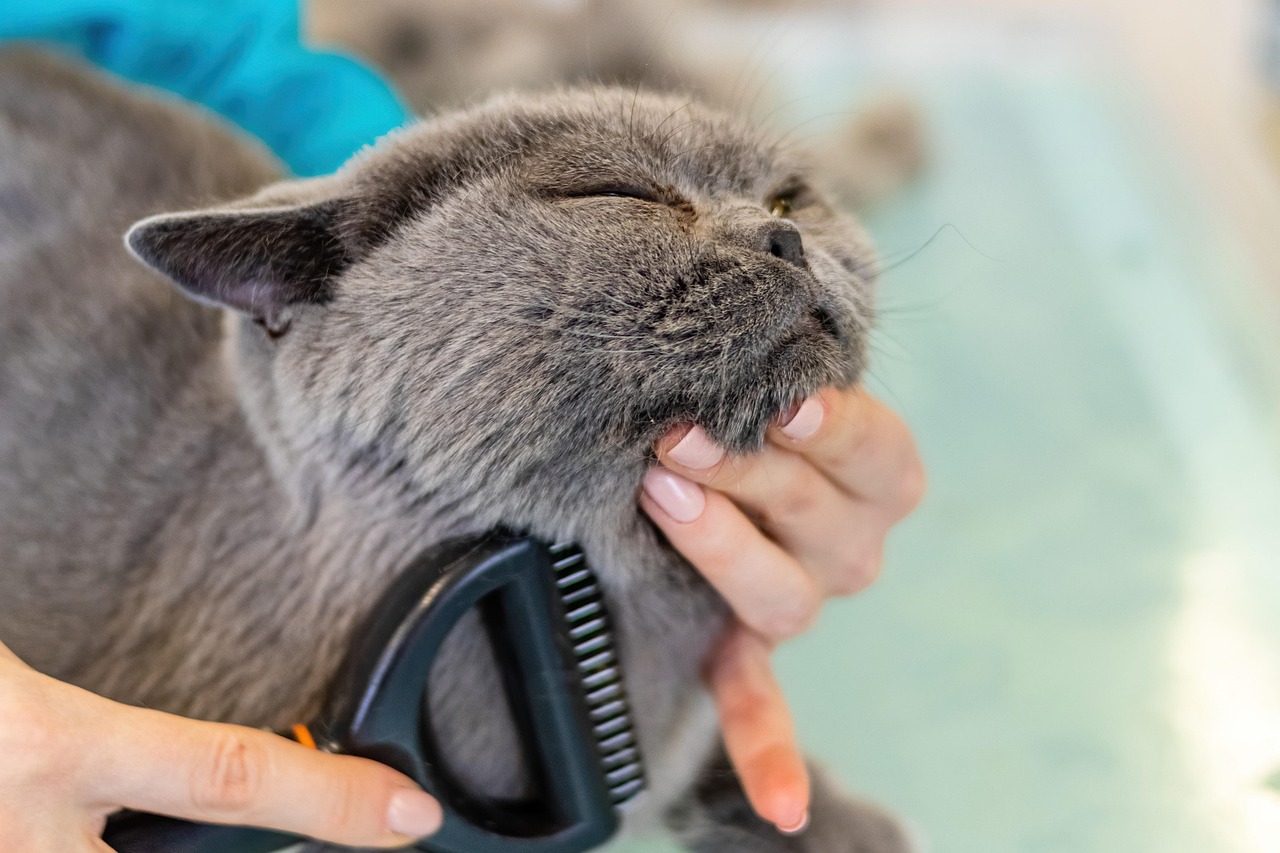
When grooming senior cats, it is essential to adopt certain techniques to accommodate their specific needs. Gentle strokes are vital; aggressive brushing can cause discomfort or pain, especially in arthritic cats. Opt for a soft brush to minimize harshness. Maintain a steady but light hand when brushing, ensuring that the experience is enjoyable rather than distressing. Additionally, try grooming while your senior cat is in a comfortable position, such as lying down or on a lap. This approach minimizes stress levels and makes them feel secure. While grooming, assess areas prone to matting, such as behind the ears, under the arms, or around the tail. Take extra care in these areas and use a dematting tool if necessary; however, be cautious to avoid pulling the fur. In cases of severe matting, consulting a groomer may be necessary to prevent skin damage. Incorporating breaks during the grooming session may also be beneficial. This allows your pet to relax and recoup, enhancing the overall experience. Patience is key; always listen to your cat’s signals, adjusting the grooming process as needed to ensure comfort.
One notable aspect of elderly cat grooming is the need for adjusting grooming frequency. While young cats may require daily grooming, seniors often benefit from less frequent sessions. For some elderly cats, planning for a grooming session once or twice a week is optimal. Closely observe your cat’s response to grooming changes, noting whether they seem comfortable and stress-free. Additionally, regular grooming helps enhance the bond between cats and their owners. This bonding is especially critical for senior cats, who may experience anxiety or loneliness. The act of grooming serves as a connecting ritual that assures them of their owner’s love and care regardless of their age. Creating a positive grooming routine reflects emotional support, fostering a trusting relationship. Incorporate treats or favorite toys during grooming to make it a fun activity. Additionally, some cats enjoy the soothing effects of gentle massages. This alternative approach to grooming adds more enjoyment while reinforcing affection. Ultimately, the combination of grooming and bonding time contributes to the overall quality of life for senior cats, ensuring a happier, more fulfilled feline life.
Conclusion: Prioritizing Grooming in Senior Cat Care
In summary, regular grooming plays a critical role in maintaining the health and happiness of senior cats. As they age, their needs change, and proactive grooming can address many issues that arise during this life stage. Prioritizing grooming means paying attention to their physical and emotional well-being, contributing to better quality of life. It’s not just about maintaining appearance; it’s about ensuring that their health remains a priority. The bond formed during grooming sessions can improve emotional well-being for both the cat and owner. Therefore, understanding their unique needs requires a commitment to compassion and regular attention. Make note of any health changes that arise due to grooming sessions, ensuring early veterinary visits when necessary. Through attentive care, owners can enhance their senior cat’s quality of life as they age. Recognizing the vital connection between grooming and healthcare supports a happy, healthy kitty in their golden years. Every grooming session presents an opportunity for bonding, ensuring that your cat feels loved and understood. Ultimately, investing time in your senior cat’s grooming will reap enduring rewards in their health, happiness, and comfort as they navigate this later chapter in life.
In conclusion, appreciating and meeting the unique grooming needs of senior cats significantly contributes to their overall well-being. The impact of regular grooming is profound, affecting not just physical attributes but also emotional states. It’s essential to remain attuned to changes in your cat as they age, adapting grooming techniques accordingly. This knowledge empowers owners to provide the best possible care for their ageing companions. In addition, continuing education on senior cat grooming ensures that pet owners remain equipped with the latest information and tools. Attending workshops or reading about feline care can augment understanding and skills. Building a support network with fellow cat owners can also provide practical insights. Local grooming professionals can offer invaluable advice on best practices tailored to senior cats. Sharing experiences and techniques fosters improvement not only for individual cats but also promotes a greater appreciation for the needs of elderly felines. Above all, maintaining a focus on their grooming demonstrates genuine love and care. Caregivers are instrumental in providing a positive lifestyle that meets the demands of their senior cats. The commitment to grooming should be an integral part of every owner’s routine, ensuring that these beloved pets receive the care they deserve.