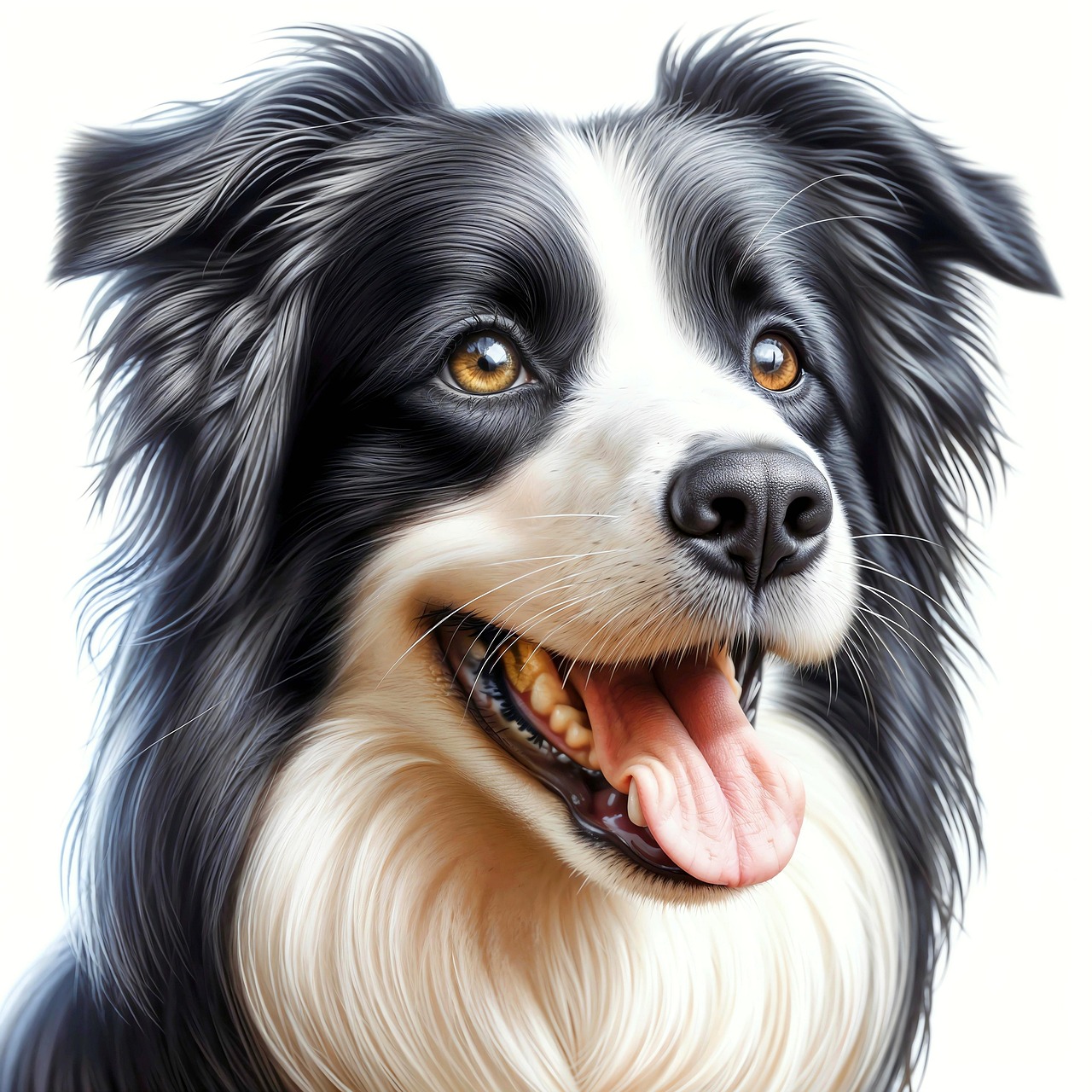

Safety Measures During Protection Dog Sport Activities
Engaging in protection dog sports requires comprehensive safety measures to ensure the well-being of both the handler and the dog. First, assess the environment before starting any activity. Look for potential hazards such as uneven terrain, distractions, or aggressive animals. Additionally, it is vital that handlers wear appropriate gear to protect against accidents. Consider wearing gloves to maintain grip on the leash. Always ensure that the training area is fully enclosed and secure to prevent the dog from escaping or interacting with bystanders. Educate participants about dog body language to identify stress signs. Instruction on reading when dogs are agitated is paramount. Using safety equipment such as bite sleeves can protect the handler during training sessions. When introducing new elements, gradually acclimate the dog to avoid overwhelming them, as this can compromise safety. Keep first aid kits accessible in case of injuries. It is also advisable to have a veterinarian’s contact information readily available. By ensuring that all safety protocols are understood and implemented, participants can engage in protection dog sports with greater confidence and enjoyment, fostering a more productive training experience.
Next, proper socialization of protection dogs is crucial for their development and safety. Start socialization early in a dog’s life. Expose them to various environments, different people, and other animals in a controlled manner. This reduces anxiety and negates aggressive behaviors in unfamiliar situations. Incorporate positive reinforcement techniques to encourage calm behavior around distractions. Additionally, regular obedience training is vital for a protection dog. These dogs must listen to commands promptly, especially in high-pressure situations. Consistent training reinforces commands and improves overall behavior management. Implement periods of intense exercise followed by rest to maintain physical fitness and mental sharpness before engaging in sports. Always supervise interactions between protection dogs and strangers to prevent any aggressive or unwanted behavior. Furthermore, it’s essential to have a solid understanding of the sport’s rules and regulations for safety. Equip yourself with knowledge about any specific guidelines set by sports organizations governing protection dog events. Collaborate with experienced trainers to deepen your understanding. Proper preparation will lead to more successful and enjoyable training sessions, enhancing the bond between the handler and the dog.
Additionally, understand the importance of phased training in protection sports. Phased training means gradually increasing the complexity of exercises while ensuring the dog’s readiness. Start with basic commands before delving into advanced protection maneuvers. Each training session should conclude with a cooling-down period. Effectively transitioning between excitement and calmness is key to reducing stress for the dog. On the same note, consider scheduling regular health evaluations for your protection dog. Consult with a veterinarian to verify the dog’s fitness and rule out any underlying medical concerns. A healthy dog performs better and is less prone to injuries. Hydration is also vital during training sessions. Always provide fresh water before, during, and after physical activities to keep the dog hydrated. Moreover, trainers should also maintain a clear communication line with fellow trainers. Discussing experiences, challenges, and solutions can enhance safety and training effectiveness. Document training sessions to evaluate progress and make necessary adjustments. This reflective practice informs you about areas needing improvement. Overall, maintaining an attitude of safety helps ensure a positive experience in protection dog sports.
The Role of Equipment in Safety
The appropriate equipment plays a significant role in ensuring safety during protection dog sports. Select harnesses and collars that fit well and allow freedom of movement while being secure. Equipment should be robust enough to resist wear, particularly in high-energy settings. For example, consider using a sturdy leash that can handle the strength of a protection dog. Avoid using retractable leashes, as they may not provide adequate control during intense training. Additionally, incorporate muzzles when necessary, especially when working with unfamiliar dogs or during high-stress scenarios. Muzzles can prevent bites in unpredictable situations, offering an additional layer of safety. Ensure that any muzzles used are comfortable and allow the dog to breathe easily. Furthermore, wear safety goggles when training dogs with protective gear to shield against potential accidents. Handlers should also use gloves made from durable materials to protect their hands. It’s essential to periodically inspect equipment for wear and tear to ensure reliability. Discard any damaged items to minimize risks. Establishing routines for checking gear can prevent mishaps in the heat of the moment. Additionally, properly store training equipment to extend longevity.
Moreover, it is essential to have an emergency action plan in place for protection sports activities. This plan should include protocols for various emergency incidents, from injuries to aggressive dog encounters. Ensure that all participants are aware of the plan and understand their roles during an emergency. Practice these procedures regularly, so everyone knows how to respond. Furthermore, designating a first aid responder among the participants can speed up the response time during incidents. This designated individual should be familiar with treating common canine injuries, such as cuts or strains. Familiarizing participants with the use of first aid kits can also ensure an appropriate response. In the event of a serious injury, have a reliable method of transportation ready to take the dog to a veterinarian swiftly. Stay informed about nearby veterinary clinics and their hours of operation, ensuring you know where to go in an emergency. Additionally, during competitions, maintain a protocol for checking in with event coordinators about safety. Understanding event-specific safety protocols is essential. This comprehensive framework helps protect everyone involved and creates a safer environment for both dogs and handlers.
Monitoring Dog Emotions
Monitoring your dog’s emotions is critical while engaging in protection sports. Stress can impact performance and potentially lead to aggressive behaviors if not addressed. Regularly assess your dog for signs of anxiety or fear. These signs may include excessive panting, barking, or attempts to flee. Pent-up emotions can also translate to physical issues, highlighting the importance of emotional well-being. Incorporate relaxation techniques into the training routine, such as calm breaks and positive reinforcements. Training should always be a positive experience, ensuring that the dog associates it with enjoyment rather than stress. If you notice any concerning signs, pause training and allow for a cooling-off period. Using clicker training can help reinforce calm behaviors during these breaks. Additionally, create a safe space for the dog to retreat to if they feel overwhelmed, outfitted with their favorite toys or blankets. This safe haven allows them to gather their thoughts and refocus. Also, keeping training sessions relatively short can help maintain a dog’s focus. Regularly evaluate the training approach based on the dog’s emotional cues, making necessary adjustments to structure. This adaptability encourages a cooperative and positive learning ambiance.
Lastly, team cooperation is vital in promoting safety during protection sports. Engaging in group training sessions ensures that handlers are on the same page and promotes a unity of purpose. Establish clear communication channels among participants, using hand signals or verbal cues to relay information efficiently. It is essential that everyone be aware of their surroundings. Practicing calls for assistance and appropriate actions ensures that all participants are prepared in case of emergencies. Always adhere to guidelines regarding dog interactions in group settings. Ensure that dogs are introduced gradually, allowing them to acclimatize to each overall group dynamic. Furthermore, maintaining a respectful distance between dogs prevents potential skirmishes. This is especially critical during high-infraction situations like competition days. Sharing feedback among handlers belongs in the cooperation process. Discussing tactics across training sessions fosters a culture of safety. Exchange tips on managing difficult situations, from barking spells to agitation. Encourage building confidence levels in the training environment. This ongoing dialogue contributes to safer experiences in protection dog sports. Fostering a sense of community within trainers and handlers positively impacts sport participation and dog development.