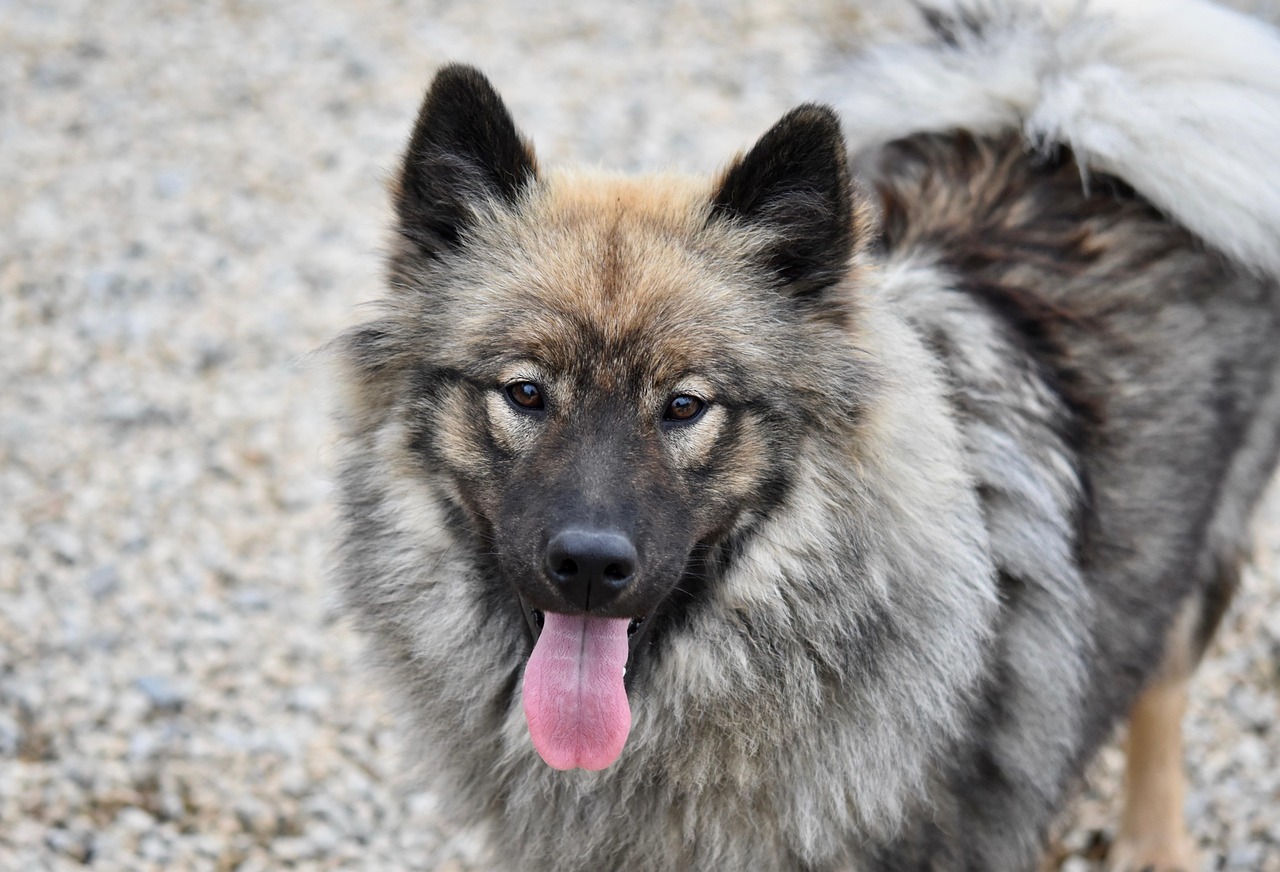

Understanding Canine Stress Signals: A Comprehensive Guide to Dog Body Language
Recognizing canine stress signals is essential for pet owners to understand their dogs better. Dogs communicate primarily through body language, conveying their feelings without words. By observing their posture, movements, and facial expressions, guardians can assess when their furry companions are stressed. Common signs of stress include the dog’s ears pinned back, tail tucked, or body crouched low. Additionally, rapid panting and lip licking can indicate anxiety or discomfort. Understanding these stress signals allows owners to create a more supportive environment. When a dog is showing these behaviors, it’s crucial to remain calm and provide comfort. Offering toys, a quiet space, or reassurance can help alleviate their stress. Moreover, recognizing triggers helps to manage their emotional state effectively. This could include avoiding loud noises, unfamiliar pets, or crowded places. Ultimately, dog owners should strive to establish an emotional connection, including positive reinforcement for calm behaviors. By learning to read a dog’s body language, handlers can better respond to their dog’s needs and promote their well-being, ultimately fostering a healthier and happier relationship with their canine companions.
A dog’s body language provides insightful cues into its emotional state, particularly when stressed. Different behaviors may suggest varying degrees of anxiety. For instance, a dog exhibiting ‘whale eye,’ where the whites of the eyes are visible, signals significant unease. Similarly, if a dog avoids eye contact or turns its head away, it’s attempting to signal discomfort. Drawing attention to these subtleties can enhance the human-dog bond. Moreover, a relaxed dog might display open mouth and a wagging tail, indicating happiness, while a rigid body and tense tail usually indicate stress. To effectively respond, handlers can engage in training exercises that focus on desensitization to known stressors. Creating a business-like atmosphere during these training sessions can support their comfort. Furthermore, environment plays a vital role; ensuring a safe and quiet space where dogs can retreat can be crucial in managing stress. Lack of structured play and exercise can exacerbate stress, so maintaining a healthy routine is vital. Owners should always strive to identify and positively reinforce behaviors that alleviate stress. This understanding creates a happier, more content dog, enriching the overall human-canine relationship.
Environmental Triggers and Stress Awareness
Identifying environmental triggers that lead to canine stress is integral for corrective actions. Dogs can become stressed due to various factors, including loud noises, unfamiliar environments, and interactions with other pets. For instance, fireworks display often creates anxiety for many dogs, sending them into a panic. Owners should be mindful of these events and make appropriate preparations to comfort pets during such occurrences. Understanding the dog’s typical behavior in various environments can aid in assessing stress levels accurately. Sometimes, introducing dogs slowly to new situations can help minimize anxiety. Gradual exposure to new environments and social interactions can instill confidence. Additionally, adjusting the living space to incorporate comforting items, like familiar toys or scents, is beneficial. Having a designated ‘safe area’ where dogs feel secure can greatly alleviate stress. Dogs having a place they can retreat to when feeling overwhelmed creates a sense of peace. Providing regular exercise and engagement through walks and playtime is equally crucial. Healthy physical activity reduces stress by expending energy. Establishing consistent routines fosters predictability, significantly enhancing the overall contentment of the dog.
Positive reinforcement techniques can prove essential when managing canine stress behaviors effectively. Teaching commands through gentle methods helps dogs learn proper behavior while simultaneously reducing anxiety levels. Training sessions offering praise and rewards for calm behavior can promote a more relaxed disposition. Additionally, using calming products such as pressure wraps or natural calming aids may provide extra support. Ensuring that dogs receive ample exposure to appropriate socialization settings can also help them adjust comfortably. This way, they learn how to react positively to new stimuli rather than stressfully. Gradually introducing them to new experiences builds their confidence and resilience against overwhelming sensations. Moreover, owners should engage in regular veterinary check-ups to rule out any physical health issues that may contribute towards behavior changes. Consistent monitoring allows for objective assessment of stress triggers and progress. Creating a supportive community of knowledgeable pet owners and trainers can also bolster efforts in handling stress-related behaviors. Open discussions about shared experiences provide additional insights and techniques. Understanding individual dog personalities further assists owners in gauging unique stress factors. A tailored approach fosters a bond between human and pet, promoting trust and reducing stress.
Recognizing Signs of Distress
Dogs exhibit various signs indicating distress that owners must recognize promptly. In addition to the well-known body language displays, behavioral changes can signify underlying stress. For example, excessive barking, whining, or destructive behavior often stem from anxiety. Identifying these signals early enables proper intervention to alleviate discomfort. It’s essential for owners to approach their dogs calmly when these signs manifest, providing assurance and comfort. Heightened levels of stress can also influence a dog’s eating habits and sleeping patterns, leading to weight loss or lethargy. Monitoring these changes offers valuable insights into potential stressors. Furthermore, engaging in shared activities like training or playtime may ease these stress levels while enriching their relationship. Adjusting the dog’s routine or environment following such distress signals awares more supportive surroundings. Additionally, building resilience through exposure to novel experiences can create a more adaptable canine. Attend dog training classes, safe dog parks, or controlled playdates to introduce positive social interactions. Balancing structure and flexibility aids the dog in learning how to cope with various stimuli. This combination ultimately prepares pet owners for better management of their dog’s emotional well-being.
Incorporating relaxation techniques can significantly aid in reducing dog stress while enhancing overall emotional health. Canines, much like humans, benefit from practices that promote calmness and tranquility. Techniques such as gentle massage or slow, controlled breathing can be greatly beneficial. Massaging can help release pent-up tension while fostering trust between the handler and the dog. Additionally, engaging in regular outdoor activities promotes mental stimulation and physical well-being, consequently diminishing stress. Taking the time to engage in leisurely walks or exploration of new parks can do wonders for a dog’s disposition. Furthermore, providing mental challenges through puzzle toys and games enriches the dog’s environment, channeling any anxious energy productively. Ensuring the presence of a familiar adult during stressful times helps alleviate worries, strengthening the emotional bond. Techniques like utilizing soft music or white noise serves to create an ideal environment for relaxation, reducing anxiety levels effectively. Gradually introducing relaxation methods into a dog’s routine ensures a more enjoyable experience for both parties involved. Effectively managing stress keeps your dog happy and healthy, improving the overall quality of life by creating a positive environment.
Conclusion: Enhancing Canine Understanding and Connection
Deepening the understanding of canine body language during stress significantly enhances the owner-dog relationship. By recognizing the stress signals, owners are better equipped to provide timely interventions, fostering emotional well-being. Through compassionate observation, nurturing environments, and incorporating training strategies, dog stress can be managed effectively. This comprehensive approach ensures that owners remain attuned to their dog’s needs, creating a more enriching partnership. Additionally, maintaining open communication with veterinarians and trainers is essential for tailoring solutions and expanding knowledge. Observing and responding to stress behaviors reinforces trust, allowing dogs to feel secure and supported. It’s equally important for owners to engage in self-care, providing them the emotional resilience to cope with their own stress. As guardians work through challenges together, they nurture a powerful bond rooted in understanding and mutual respect. Dogs are more than pets; they are loyal companions capable of complex emotions. By dedicating time to understand their language, owners promote health, happiness, and an undeniable connection. Ultimately, investing in canine awareness yields rewards that strengthen bonds and cultivate a harmonious relationship, enhancing the lives of both dogs and their owners, leading to enriching experiences.
Understanding dog psychology is a lifelong journey; continual learning ensures adaptability to changing behaviors. Engaging in community resources such as workshops, training classes, and informative online platforms helps owners keep abreast of evolving techniques. Utilizing various resources demonstrates a commitment to personal growth alongside the dog’s development journey. Dogs respond positively to consistent and informed techniques, resulting in a well-adjusted and well-behaved companion. Connecting with like-minded owners fosters an enriched experience through knowledge-sharing and support systems. In conclusion, understanding canine body language during stress is crucial in enhancing the relational dynamic between owners and their dogs. With empathy, practice, and patience, the potential for deep understanding is limitless. Empowered owners can help their dogs thrive in negative environments fully, enabling proficient canine management. This deep connection leads to an overall development of healthier, happier dogs. Ultimately, this journey yields a rewarding partnership that transcends verbal communication — bridging the gap between human and canine existence fostering a shared understanding that promotes peace within the human-canine dynamic.