
The Role of Handlers in International Dog Shows
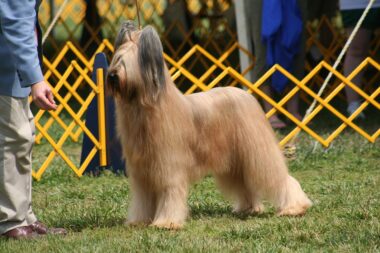
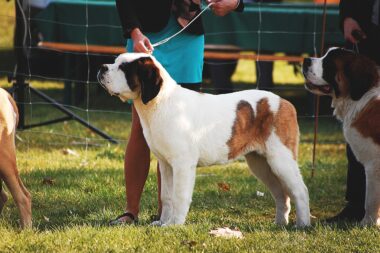
Handlers play a crucial role in international dog shows, influencing the overall success of the canine participants. These professionals serve as a bridge between the dogs and the judges, ensuring that the dogs are presented in a manner that highlights their strengths while masking any weaknesses. Handlers are trained individuals with an extensive understanding of dog breeds, grooming techniques, and show protocols. Their expertise is invaluable in preparing the dogs for competitions, encompassing everything from training routines to maintaining the dogs’ health and demeanor. Successful handlers often establish a unique rapport with each dog, facilitating a positive atmosphere that fosters confidence and showcases each animal’s qualities. Participating in international dog shows requires handlers to be well-versed in multiple aspects of dog care and display. They also need to adapt their strategies to meet the expectations of diverse judging standards around the world. The purpose of international shows is not only to compete for titles but also to celebrate the beauty and diversity of dog breeds. Thus, the role of handlers extends beyond mere competition; they contribute to a culture that honors canine companions.
Handlers typically possess a wealth of knowledge regarding specific breeds, as each breed has unique characteristics that judges evaluate. Having an in-depth understanding of these traits allows handlers to effectively present their dogs, enhancing their appearance and behavior during the judging process. By highlighting the dog’s physical attributes, handlers can better demonstrate how well the breed conforms to its recognized standards. Additionally, handlers must ensure their dogs are in optimal condition, which includes grooming, exercise, and nutrition. The role of a handler is multifaceted, requiring both physical skill and emotional intelligence. Competing internationally introduces a range of cultural factors that handlers must navigate, from language barriers to different judging preferences. Their adaptability is key to presenting the dog favorably, regardless of the location of the show. Handlers also need to recognize and anticipate the preferences of individual judges. This understanding plays a significant role in developing a show strategy, which could potentially influence scoring outcomes. As a result, handlers must be astute observers and possess excellent communication skills to convey the needs of their dogs while interacting with judges and event organizers.
The Preparation Process
Preparation for an international dog show is a lengthy process that encompasses various training techniques specific to each dog. Handlers invest considerable time in training their dogs, often practicing specific movements and poses required for the competition. This training doesn’t merely involve learning how to walk correctly in the show ring; it also includes socialization, which helps dogs become accustomed to environmental distractions that they may face during an event. Ensuring that dogs remain calm and composed amidst the excitement is necessary and can significantly affect performance. Grooming is another vital preparation aspect, where handlers meticulously care for their dogs’ coats to meet breed standards. Proper grooming can enhance a dog’s presentation, making them more appealing to judges. Additionally, handlers assess the dog’s physical condition, ensuring they are at a healthy weight and free from any visible ailments. The focus on health and appearance is paramount, as judges often scrutinize these elements when making their decisions. Through these processes, handlers contribute substantially to the overall image and performance of their dogs in the competitive arena.
During the show, handlers must maintain a professional demeanor while also being a source of comfort for their dogs. The stress of competition can impact a dog’s behavior, and handlers must be prepared to offer emotional support. Maintaining an upbeat attitude and providing encouragement can go a long way in helping dogs perform at their best. It is essential for handlers to project confidence, as their demeanor influences the dog’s performance and how it is perceived by judges. Additionally, handlers must be adept at reading the dog’s body language. Recognizing signs of anxiety or discomfort allows handlers to take appropriate action, such as adjusting their approach or providing reassurance. Communication between the handler and dog is critical during the show; dogs that trust their handlers are more likely to perform well. Thus, creating a positive relationship built on trust is another integral part of a handler’s responsibilities. The interaction between handlers and their dogs during competition not only showcases their bond but also serves as a reflection of the mutual respect shared between them.
Judging Criteria and Its Impact
The impact of a handler’s skill on the outcome of an international dog show cannot be underestimated. Judges look for specific traits and qualities that align with each breed’s standards. A skilled handler knows how to showcase a dog’s best attributes to meet these criteria. They might select specific angles or positions to highlight the dog’s movement and stability. This critical aspect of the competition requires handlers to be acutely aware of how dogs represent their breed. Moreover, handlers must understand the judging criteria, which can vary significantly between countries. This knowledge allows them to tailor their presentation techniques accordingly, ensuring they adhere to local expectations. Additionally, the handler’s ability to connect with the judge can sway the final outcome. Professional handlers are aware of the importance of establishing rapport during the brief interactions that occur during the show. This sense of connection can help judges see the dogs in a favorable light, potentially leading to better placements. Thus, a handler’s expertise in both presentation and understanding of judging norms is vital for achieving success.
Handlers often form networks and communities that allow them to share insights and techniques, enhancing their skills over time. These relationships can provide critical support, as experienced handlers pass on their knowledge to newcomers. This mentorship contributes to better overall performances within the community, ultimately impacting the quality of dogs presented at international shows. Networking events and workshops often focus on innovation in training and grooming techniques, fostering an environment of continuous learning. By engaging with fellow handlers, they can exchange tips about breed-specific information, grooming products, and even travel strategies for international competitions. Additionally, these connections can lead to collaborative opportunities, where handlers team up to develop new methods for preparing dogs for competition. Consequently, the sense of camaraderie adds an element of fun and competitiveness to the dog show circuit. Community support encourages growth and improvement among handlers and can elevate the standards of dog shows. The culmination of shared knowledge and community spirit contributes significantly to the thriving world of international dog shows, enhancing the experience for both participants and spectators alike.
The Future of Handlers in Dog Shows
As international dog shows continue to evolve, so do the roles and expectations of handlers. Technological advancements bring new tools that assist in both training and presentation. Handlers are now incorporating various devices and methods to monitor their dogs’ health and performance. Technology such as video analysis allows handlers to refine their strategies by reviewing past performances, optimizing presentation techniques for future competitions. Additionally, the use of social media is becoming increasingly important for handlers to promote their dogs and build their brands. This new digital landscape opens avenues for handlers to share their experiences and connect with fellow enthusiasts globally. The future will likely see a blend of traditional skills and modern tools, making the role of handlers even more dynamic. As breeders and judges become increasingly aware of health and genetic issues, handlers will also need to champion ethical breeding practices. Awareness of these issues will enhance the reputation of dog shows, ensuring they remain celebrated events in the canine world. Thus, the role of handlers will adapt to encompass broader responsibilities as the landscape of dog shows shifts.”
In summary, handlers play a pivotal role in the success of international dog shows. Their responsibilities extend from training and grooming to emotional support and strategic presentation. The bond between handlers and their dogs, coupled with their understanding of the intricate dynamics of dog shows, underscores their importance in the competitive arena. As these events continue to grow and evolve, the skills and adaptability of handlers will remain essential. The blend of passion and professionalism displayed by handlers fosters a culture that celebrates the beauty of dogs worldwide. Ultimately, their efforts contribute to showcasing the remarkable qualities of each breed, enhancing the reputation of international dog shows. The connection between handlers, judges, and spectators creates an engaging environment that promotes appreciation for canine excellence and commitment to ethical breeding practices. The future of dog shows will undoubtedly involve continuous improvements in presentation and training techniques, ensuring that handlers are equipped to meet new challenges. The impact of well-trained handlers extends beyond the competitive space; they are key players in promoting the art and tradition of dog showing globally. With their guidance and expertise, the legacy of international dog shows will thrive for generations.