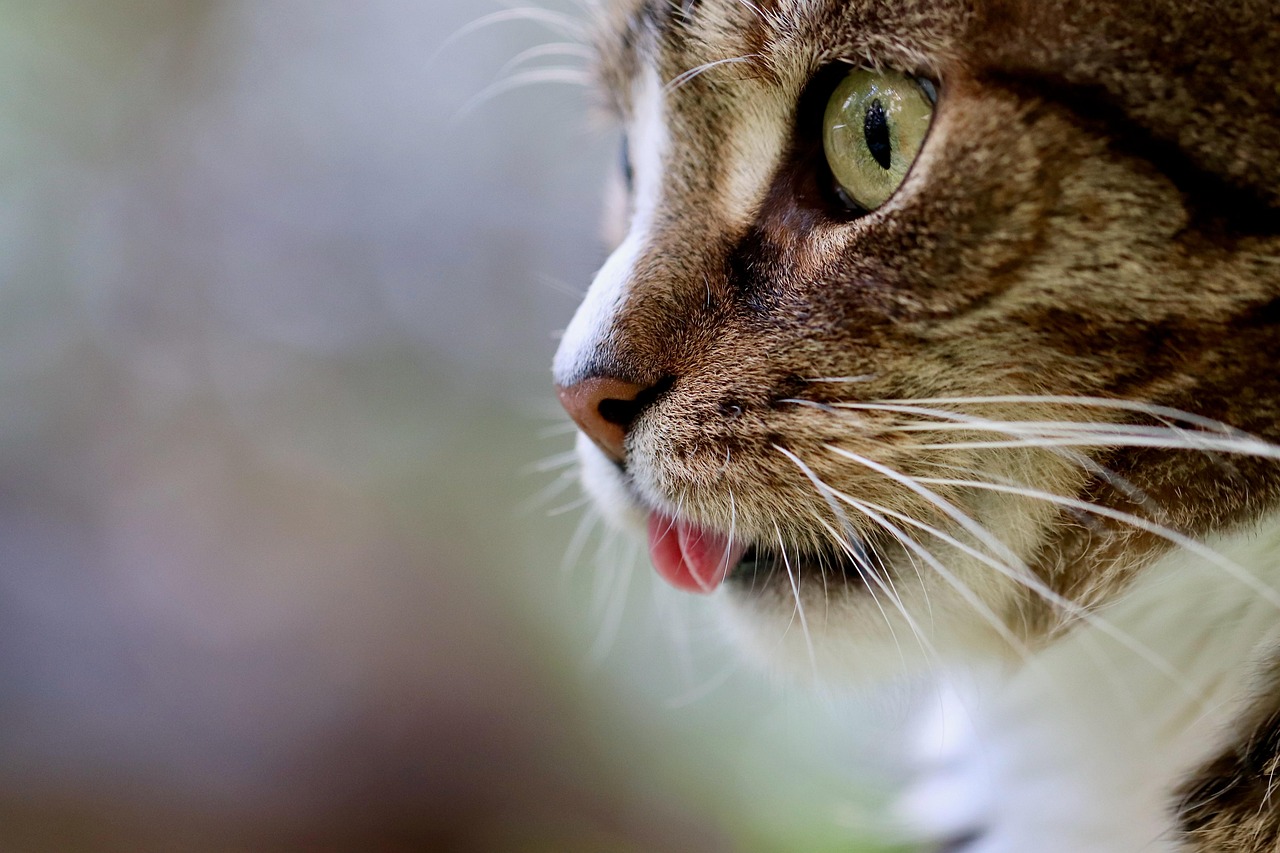

How to Choose the Right Nutrition Supplements for Your Cat
Choosing the right nutrition supplements for your cat can be a daunting task. Cats, unlike dogs, have unique dietary needs that often require more than regular cat food can provide. There are numerous myths surrounding cat supplements that can misguide pet owners. It’s essential to understand what each type of supplement does to avoid unnecessary complications. For instance, many believe that supplements are only necessary for sick cats, but healthy cats can also benefit significantly from them. Understanding the right type of supplements for different age groups, health conditions, and nutritional deficiencies is critical for pet owners. A balanced diet is vital to your cat’s health and supplements can help bridge the gaps. Always consult with your veterinarian before starting any supplements. This helps ensure safety and efficacy tailored to your cat’s specific needs. Ultimately, the goal is to improve your cat’s overall health and longevity. So, make an informed decision by researching the various types available. Knowing how to read labels and understanding the ingredients can lead you to the best choices for your furry friend.
Common Myths about Cat Supplements
Many pet owners are unaware of common myths that can lead them astray regarding cat nutrition supplements. One prevalent myth is that all supplements are harmful or unnecessary. In reality, while some supplements can be ineffective, others can play a crucial role in your cat’s health. These include omega fatty acids, probiotics, and vitamins that support various bodily functions. Another misconception is that only older cats need supplements. However, younger cats can also benefit from additional nutrients, particularly those with unique dietary requirements. Furthermore, it’s commonly believed that all cat supplements are the same, which is false. Supplements vary greatly in quality and formulation, and seeking high-quality products is essential. It’s also a frequent belief that if a supplement is sold in stores, it must be safe. Always check for third-party testing and clinical trials to ensure the supplement’s efficacy. Test claims should be backed by credible research or veterinary endorsement. Being informed and discerning can significantly impact your cat’s health positively. Always do thorough research and consult your veterinarian about any supplements you’re considering for your feline companion.
When choosing the right nutrition supplements for your cat, it’s crucial to consider their specific health needs. For example, if your cat is suffering from joint problems, supplements containing glucosamine and chondroitin can be beneficial. These compounds support cartilage health and may reduce inflammation. On the other hand, if your cat has digestive issues, probiotics may help restore healthy gut flora. Nutritional needs can change with age, so adjustments should be made accordingly. Always observe your cat’s health and behavior, as changes could indicate a dietary deficiency or the need for specific supplements. High-quality ingredients are a must when selecting supplements. Products containing fillers or artificial additives can be detrimental instead of helpful. Read the label closely and look for natural ingredients with evidence of efficacy. Additionally, the delivery method of the supplement matters; some cats may prefer soft chewables, while others may accept powdered forms or liquids added to food. Understanding your cat’s preferences will increase compliance, ensuring they take their supplements regularly. Consulting your veterinarian can provide personalized recommendations and guidance on the right dosages for optimal benefits.
Importance of Consultations with Veterinarians
Consulting with a veterinarian is an essential step in choosing the right nutrition supplements for your cat. Vets can offer professional insights into your cat’s unique health profile, including any underlying conditions that need addressing. Each cat is different; factors like age, breed, and health status all play crucial roles in determining appropriate nutrition. Not all supplements work the same for every cat; what is effective for one may not be suitable for another. Vets may recommend blood tests to identify deficiencies or imbalances that supplements can address. They can also provide advice on the correct dosages to ensure your cat benefits without experiencing adverse effects. It’s important to choose a veterinarian knowledgeable about feline nutrition and health. Additionally, take into account their recommendations regarding reputable brands and formulations. Doing so can save you from the risks associated with low-quality or ineffective supplements. Regular follow-ups may also be necessary to monitor your cat’s health as well as the efficacy of the supplements chosen.
Understanding the nutritional labels of cat supplements is another essential aspect of choice. Ingredients are often listed in order of weight, meaning the first five should ideally contain the active ingredients you require. Look for high-quality sources for essential nutrients. For instance, fish oil for omega-3 fatty acids should specifically be labeled and sourced rather than a generic blend. The presence of fillers and artificial flavors is a red flag; try to avoid products with these additives. Additionally, observe expiration dates and storage instructions to maintain the supplement’s effectiveness. Transparency of the manufacturer is vital; reputable companies will often provide information on their sourcing, production practices, and quality control measures. Researching customer reviews may also shed light on the product’s effectiveness and any potential side effects other pet owners have experienced. Whole-food supplements are increasingly popular; however, even these need to be evaluated carefully. They often contain a broader array of nutrients and bioavailable components that can enhance bioavailability. Always prioritize quality and ensure your cat’s health is not compromised by subpar products, and make informed choices based on reliable information.
Different Types of Cat Nutrition Supplements
Cat nutrition supplements come in various forms and types, catering to an array of specific needs and health conditions. Common categories include joint health supplements, probiotics, fatty acids, vitamins, and minerals. Joint health supplements usually contain glucosamine or chondroitin and are ideal for aging cats or those with existing arthritis. Probiotics are excellent for improving gut health and boosting the immune system, especially during times of stress or after antibiotic treatments. Fatty acid supplements offer omega-3 and omega-6 fatty acids that improve coat health and reduce inflammation. Vitamins and minerals fill the gaps in your cat’s diet, especially if they have specific deficiencies. Additionally, some specialty supplements target urinary or skin health, addressing common issues in felines. Other products may offer holistic approaches, combining various nutrients to improve overall vitality. Always look for products specifically formulated for cats, as dog supplements can contain harmful ingredients. Ensure the supplement aligns with your cat’s health goals, lifestyle, and dietary habits for optimal results. Remember to consult your vet to determine which type suits your cat’s needs best.
Consistency in administering supplements is crucial for ensuring your cat reaps the full benefits. Establish a regular routine for giving supplements to build a habit for both you and your cat. Incorporate it into their feeding schedule, whether adding a powdered supplement to their meal or offering a chewable treat as a reward. Always observe your cat’s response to new supplements and be vigilant for any changes in behavior or health. If your cat shows signs of adverse effects, discontinue use immediately and consult your veterinarian. It may take time for some supplements to yield noticeable results, so patience is vital. Regular health check-ups with your veterinarian will assist in monitoring your cat’s progress and reactions to supplements. Additionally, consider keeping a journal to note any changes in behavior, appearance, or health after starting supplements. This information can be invaluable during follow-up visits with your veterinarian. Remember, supplements should never replace a balanced diet; they are designed to enhance your cat’s health. Combining good quality food with appropriate supplements can make a significant difference in your feline’s vitality and longevity.
Conclusion on Cat Supplementation
In conclusion, navigating the world of cat nutrition supplements requires careful consideration and informed decision-making. Dispel the myths that can cloud judgement and seek the correct information to make choices that support your cat’s well-being. Consulting with a veterinarian before starting any new supplementation program is essential; their expertise can guide you through understanding exactly what your cat needs. Understand the differences in available supplements, emphasizing quality over quantity. Pay attention to labels, ingredients, and ensure that products are well-researched and reputable. Consistency in administering these supplements can significantly impact your cat’s health and lifespan. Alongside a balanced diet formulated for their needs, supplements can help provide quality nutrients essential for thriving. Lastly, be patient and observant, tracking your cat’s progress to ensure that supplements effectively contribute to their holistic health. With the right approach, you can ensure that your feline friend enjoys a longer, healthier life filled with vitality and joy.