
Customizing Your Dog House Roof for Seasonal Changes
When customizing your dog house roof for seasonal changes, it’s essential to consider your dog’s comfort and safety. A well-designed roof protects against various weather conditions, including intense heat, heavy rain, and snow. Start by assessing your local climate to determine the best roofing materials and designs. For example, if you live in a hot area, you might opt for a lighter material that reflects sunlight, while colder regions may require a more insulated roofing option. Additionally, consider the roof’s slope; steeper roofs help with drainage during rain and prevent snow accumulation. Lastly, don’t forget ventilation; a well-ventilated roof can help keep your dog cool in the summer months. Personalized design will not only enhance the dog’s comfort, but it also adds aesthetic value to your property. Be sure to involve your dog in the decision-making process, observing their reactions to different materials. Choose durable materials that withstand wear. Remember, safety first; avoid sharp edges. Tailoring the roof can significantly impact your pet’s well-being, ensuring they feel safe and cozy no matter the weather. Plan wisely for seasonal transitions to keep your furry friend happy year-round.
One popular option for dog house roofs is asphalt shingles. This material is not only affordable but also versatile, allowing for various colors and styles to match your home. Asphalt shingles provide excellent protection against weather conditions, making them suitable for all climates. They are particularly beneficial in areas with frequent rain as they are designed to shed water efficiently. Additionally, they offer decent insulation properties, keeping your dog comfortable during winter months. When installing asphalt shingles, ensure you properly layer them to maximize their water resistance. Also, consider the pitch of the roof as a steeper angle can improve water runoff. It’s advisable to check periodically for any loose shingles or areas that may need repair. Another advantage is that asphalt shingles are easy to source, and most DIY enthusiast can install them without professional help. Ideally, ensure a solid plywood or oriented strand board (OSB) base before roofing. Furthermore, consider adding an overhang to protect the dog house’s walls and provide shade, ensuring your dog enjoys a comfortable space. For more information about installation, you can check [this guide](https://www.example.com/asphalt-shingle-installation).
Exploring Different Roof Styles
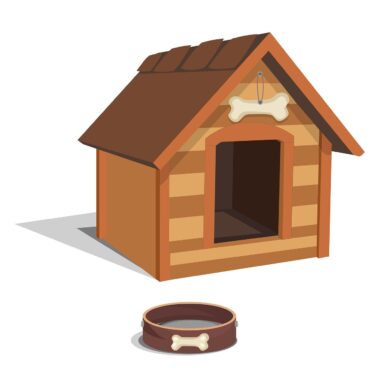
There are various roof styles to explore for your dog house, each offering distinct advantages. The gabled roof is exceptionally popular due to its triangular shape, providing excellent rainwater drainage, which is crucial for maintaining a dry living space. This style also allows for ample headspace inside the dog house, improving comfort for larger breeds. Flat roofs, on the other hand, are easier to construct and can serve as a shaded outdoor area during sunny days. However, they may require more frequent maintenance to prevent water buildup. A shed roof, sloping to one side, is another option worth considering for its modern aesthetic. This design allows efficient water runoff and may also enhance airflow within the dog house. If you’re feeling creative, a curved roof can be an eye-catching design choice that combines aesthetics with functionality, offering an ample space for ventilation and shelter. Ultimately, your choice of roof style should reflect both your dog’s needs and your own design preferences. Each roof style’s unique benefits will contribute to creating an ideal living environment for your beloved pet.
Insulation is another vital aspect of customizing your dog house roof. Just like in human homes, proper insulation helps regulate temperature, allowing your dog to stay warm during winter and cool during summer. There are various insulation materials to consider, including foam boards, fiberglass, or even more eco-friendly options like sheep’s wool. Foam boards are particularly beneficial due to their lightweight nature and high thermal resistance. When installing insulation, ensure it’s placed between the roofing material and the inner ceiling to maintain a comfortable environment for your dog. For colder climates, double roofing is an effective solution; two layers provide additional insulation, trapping heat within the dog house. In hot areas, insulation will keep the interior from overheating by reflecting radiant heat away. Adequate insulation directly affects your dog’s health, and it prevents issues like hypothermia in cold months, or heatstroke in hot conditions. Evaluate your dog’s breed and size when deciding on the type and thickness of insulation needed. Every other aspect of customization will contribute significantly towards making a safe haven tailored for your four-legged companion.
Considering Climate-Specific Features
When customizing a dog house roof, consider integrating climate-specific features to enhance your dog’s comfort. For instance, in tropical climates, you might want to include a roof that extends beyond the walls to provide more shade. This overhang features are beneficial to protect against sunlight while also helping to keep the dog house cool. It’s essential to consider materials that resist corrosion, especially in places with high humidity. Similarly, if you live in an area prone to heavy snow, a steeply pitched roof will be essential to prevent snow accumulation, which can lead to structural issues. Such designs should compel water runoff effectively as well. Additionally, ventilation features, such as ridge vents, can regulate air circulation, reducing humidity build-up from your dog’s breath. Moreover, adding a waterproof membrane under the roofing material can enhance protection against leaks and moisture. Check for weather-resistant colors or finishes that reflect UV rays, prolonging the roof system’s lifespan. All these features ensure that your dog house remains a comfortable sanctuary regardless of external weather challenges. Each element will contribute to creating a welcoming place for your canine friend.
Maintenance should also be a priority when customizing your dog house roof. Regular upkeep is crucial for ensuring the longevity and durability of the roofing materials. Depending on the roofing style you choose, the maintenance requirements will vary. For instance, if you select asphalt shingles, it’s essential to look for any signs of wear and tear, such as cracked or missing shingles, which can lead to leaks. For flat roofs, clearing debris regularly helps to prevent drainage issues, allowing water to flow off smoothly without pooling. You should inspect the roof for moss or algae growth, particularly in humid areas, as it can lead to moisture retention and damage. Additionally, regularly check and clean the gutters if applicable, to promote proper water flow. Consider applying a sealant every few years as a preventative measure against leaks and wear. If using wood, ensure it is treated to prevent rot. A well-maintained roof protects your investment and ensures a safe, comfortable environment for your furry friend. Some roofing materials may require professional servicing, so establish a maintenance schedule to keep everything in top shape.
Final Touches and Aesthetic Considerations
In addition to practicality, adding aesthetic touches to your dog house roof can enhance its overall appeal. Choose colors or materials that complement your home and surrounding landscape, creating a cohesive look. Opt for paint or finishes that not only improve appearance but also provide additional protection against weather elements. Additionally, consider decorative elements like roof finials or unique edging that showcases your style. Adding a small weather vane can also be a charming touch. Similarly, planting some dog-friendly climbing plants around the base of the dog house can create a more natural look, blending it with the outdoors. These plants can provide shade and coolness during hot days, contributing to your dog’s comfort. Don’t forget to include a small porch or landing area at the entrance; this not only makes it easier for your dog to access but adds character as well. Ensure that any decorative elements are safe and non-toxic for pets. Ultimately, blending functionality with aesthetics ensures that your dog house is both a delightful structure and a comfortable retreat for your furry companion.
Customizing your dog house roof for seasonal changes involves creativity and critical thinking. Assessing the needs unique to your location and climate caters to creating a comfortable home for your dog. Choose materials that are not only eco-friendly but also have high longevity — this contributes to cost-effectiveness. Each roofing style may require different methods of installation and adherence to local building codes. Consider the overall structure, ensuring it’s safe and sturdy. Check for additional features that suit your requirements, whether it’s ventilation, insulation, or decorative elements. Planning thoughtfully during the design phase ensures that your dog house roof serves its purpose effectively through any season. Engage with professionals for complex projects if you find them overwhelming. Allow your dog to experience the setup process to observe their preferences, creating a more personalized space. Ultimately, a well-planned custom roof will lead to improved mental and physical well-being for your pet. Enjoy the journey of design, creating a special space that reflects both functionality and taste. Your effort in customizing this space will undoubtedly resonate positively for years to come, resulting in a cozy, well-loved sanctuary for your dog.