
When and How to Administer Emergency Fluids to Cats
Cats can become dehydrated for various reasons, including illness, heat, or insufficient water intake. Rapid intervention is critical in these situations, as dehydration can quickly lead to serious health complications. Administering fluids can help restore hydration, but it is crucial to do this correctly. Always consult a veterinarian before attempting fluid therapy at home. That said, there are instances where you may need to act quickly. Ensure you have the necessary supplies on hand, such as sterile fluids, a syringe, and instructions from your vet. Just as importantly, be prepared to take your cat to a professional if their condition worsens. Dehydration can be life-threatening, so monitor them closely during this process. It helps to observe for signs of dehydration like sunken eyes or dry gums. If you notice these, your cat requires immediate help. Stay calm while administering fluids; your cat can sense your anxiety. Secure them gently in a comfortable location where they feel safe. Speaking softly can also help make this experience less stressful for your pet, fostering a calmer environment.
Administering fluids safely and effectively at home requires some knowledge. First, ensure you understand the correct dosage for your cat, as overhydrating can be dangerous. The general guideline is about 40-60 mL/kg of body weight daily, but this varies based on the severity of dehydration and causes behind it. Remember that fluids can be administered via a syringe, which should be done slowly to prevent choking. If using a fluid bag, connect the intravenous line carefully, ensuring there are no kinks or blockage. Hold your cat in a calm manner and use a towel to hold them if needed but make sure they’re comfortable. It can help to sit them upright so gravity assists the flow of the fluids. Monitor the rate of administration closely; rapid administration can cause complications. Regularly check your cat’s response to the treatment. Keep a close watch on their behavior and hydration levels. If the situation does not improve, always seek veterinary assistance. Fluid therapy is a supportive care tactic. While it may help relieve symptoms, addressing the underlying cause is critical in ensuring effective treatment.
Signs and Symptoms of Dehydration
To effectively administer emergency fluids, it’s essential to recognize the signs of dehydration in cats. Common symptoms include lethargy, dry mouth, and decreased skin elasticity. A simple way to check for dehydration is to perform the skin tent test. Gently pinch the skin at the back of your cat’s neck and lift it. If the skin does not return to its original position promptly, this indicates dehydration. Observe other body signs too; dry gums or sunken eyes often accompany dehydration. Cats may also exhibit behavioral changes, such as reduced appetite or excessive panting in severe cases. Additionally, frequent vomiting and diarrhea can exacerbate dehydration, requiring immediate attention. You may also notice that your cat seems thirstier than usual, which could be a red flag. Monitoring these symptoms regularly will help you react in a timely manner. Furthermore, it’s essential to educate yourself on the proper techniques for administering fluids. These vital skills can save your feline friend’s life during an emergency scenario. If unsure about the steps, it’s always advisable to consult your vet for a demonstration before attempting at home.
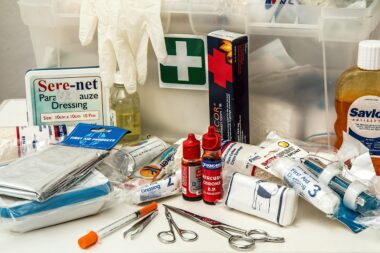
Gathering the necessary supplies beforehand can streamline the emergency process if your cat requires fluids. You’ll need sterile saline or lactated Ringer’s solution, which your veterinarian can provide. Additionally, a syringe or IV setup will be required. While tubes can be useful, administering fluids with a syringe may be more accessible for most pet owners. A clean towel is also essential; this not only prevents mess but allows you to secure your cat better. Your cat will be more comfortable during the procedure if you have them in a familiar, cozy environment. Some owners may invest in warming pads, especially for critically dehydrated cats, to prevent body temperature drops. Make sure to prepare everything in an area with adequate lighting to see well during the process. Reading signs from your cat is key; if they seem stressed, it may be wise to take a pause and try to calm them down. Ensure to keep the area free from distractions. By organizing your supplies in advance, you can act swiftly without scrambling during a stressful moment. This preparedness can make all the difference in a crisis.
Administering Emergency Fluids
When you’re ready to administer emergency fluids, ensuring a calm environment is vital for your cat’s comfort. Only use the recommended fluid types such as saline or electrolyte solutions specifically designed for cats. Start the process slowly, gradually introducing the fluid via a syringe without forcing it. Angle the syringe towards the back of the throat, avoiding the direct center to prevent choking. If your cat resists, do not force them too harshly; instead, allow them a moment to adjust. You might find it helpful to offer a favorite treat afterward to create a positive association with the experience. Always keep a close eye on the volume of fluids administered; overloading could cause stress on your cat’s digestive system. If using intravenous methods, make sure you follow all safety protocols recommended by your veterinarian. It’s crucial to check for any signs of discomfort, such as restlessness or signs of pain. If these symptoms occur, stop immediately and consult your vet. Make this experience as gentle as possible. Your cat’s emotional well-being is just as important as their physical recovery. A calm, supportive approach fosters trust and makes future interventions easier.
Monitoring your cat continuously throughout the fluid administration process is essential for efficacy and safety. Track your cat’s hydration status by observing behavioral changes, physical signs, and symptoms as fluids are given. Take special note of any signs suggesting complications, such as difficulty breathing or unusual lethargy. Immediate veterinary assistance is necessary if these arise since they may indicate fluid overload. It’s equally important to regularly check their temperature, which can help gauge their recovery process. When fluid therapy is effective, your cat’s gums should begin to moisten, and their general demeanor will likely improve. Offer water afterward but do so gradually, as their stomach may need time to accept the fluids. Keeping an eye on their appetite can also provide insight into their recovery—returning to normal eating patterns typically signifies positive progress. Additionally, take time to document the volumes and types of fluids administered. This information will be useful to your veterinarian for future assessments. Remember that this process may take time, and results may not be immediate. Patience and vigilance are critical as you navigate their recovery.
Post-Emergency Care and Follow-Up
After successfully administering emergency fluids, the next step involves post-emergency care for your cat. This includes proper monitoring but also considering follow-up appointments with your veterinarian to address underlying issues. Evaluate their hydration status daily for the next few days, as any lapses may prompt another need for fluids. Additionally, be vigilant about their eating and drinking habits. Providing fresh water and monitoring their intake is crucial during the recovery phase. Offering wet food can help to maintain hydration while appealing to their palate, especially if they feel unwell. However, don’t hesitate to reconsult your vet if your cat refuses to eat or drink after experiencing dehydration. It’s also wise to keep a diary of their recovery, making notes of any changes in behavior, eating habits, and fluid intake. This data will be beneficial for the vet during follow-up consultations. Finally, maintaining a calm and comfortable environment at home will aid recovery. Your cat requires reassurance and love; their emotional health plays a crucial role in their road to recovery after such an experience.
In conclusion, understanding how to administer emergency fluids to cats is vital knowledge for any cat owner. Being prepared and knowing the signs of dehydration can save your furry friend’s life. Gauge the correct dosage, gather necessary supplies, and create a stress-free environment. Administer fluids with care and monitor their reactions diligently. This proactive approach minimizes risks and maximizes the potential for recovery. Don’t shy away from seeking veterinary assistance when necessary, as fluid therapy often works best in a clinical setting. Education is key; consider looking into resources provided by reputable veterinary sources. They often include detailed guidelines on fluid administration and emergency care techniques. Such knowledge ensures pet owners can act promptly and wisely during emergencies. You may also find support from local feline rescue organizations. They can provide resources, workshops, or even individual assistance to equip you with crucial care techniques to keep your pet healthy. Sharing experiences with fellow cat owners can cultivate a supportive community where knowledge thrives. Ultimately, your commitment to learning makes a difference in your cat’s life. Equip yourself with knowledge so you can care for your feline family members effectively.