
Hydration and Its Effect on Traveling Dogs’ Mood
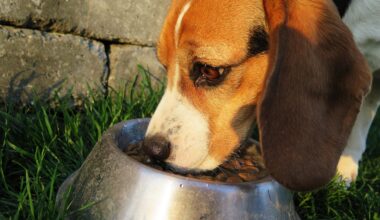
Traveling with dogs can be a joyful experience; however, ensuring their well-being is essential. One crucial aspect is hydration, which plays a significant role in maintaining a dog’s mood during travels. Dehydration can lead to lethargy and irritability, making your furry friend less inclined to explore and enjoy new environments. When planning trips, it’s vital to ensure that your dog has access to fresh water consistently. A lack of adequate hydration could result in anxiety, especially in unfamiliar places, where stress can significantly amplify feelings of discomfort or fear. Dogs may not always indicate their thirst, so it’s essential to encourage regular drinking throughout the journey. Additionally, choosing portable water bowls can ease this process, allowing for easy hydration wherever you are. Remember that the temperature can also affect your dog’s hydration level; warm weather necessitates more frequent water breaks. By prioritizing your dog’s hydration, not only are you improving their mood, but you’re also directly contributing to their overall health during your travels. So, keep a water bottle handy and don’t forget to make hydration your priority while on the go!
Understanding the signs of dehydration in dogs is crucial when traveling. Symptoms such as dry gums, excessive panting, and loss of skin elasticity can indicate your dog requires immediate hydration. Particularly during road trips or while hiking, the dog’s activity level increases, leading to a higher risk of dehydration. Providing water during breaks can re-energize your pet and alleviate anxiety stemming from discomfort. If your dog seems restless or unusually quiet, a water break might be just what they need. Additionally, it’s wise to bring along homemade ice cubes with low sodium chicken broth to entice your dog to hydrate. Using appealing flavors can incentivize your dog to drink, significantly improving their spirits. Also, ensure that the water you provide is cool and fresh, as dogs generally prefer it that way, especially during warmer months. This simple change can make a world of difference in how your dog feels throughout the journey. Remember, a hydrated dog is a happy one; hence, keeping tabs on their water intake is essential to enjoying a stress-free travel experience. Stay proactive, and your travels will surely be filled with joy and exploration for both you and your furry friend!
The Importance of Breaks and Rest Stops
During long travels, taking frequent breaks is vital for both you and your dog. These pauses allow for opportunities to hydrate, breathe fresh air, and explore surroundings. A suggested routine is to stop every couple of hours to let your dog stretch its legs and drink some water. It’s wise not only for hydration but also for preventing fatigue and anxiety during extended trips. At rest areas, allow your dog some freedom to roam while keeping them on a leash to ensure safety. This change of scenery can enhance your dog’s mood dramatically and transform anxiety into excitement. Additionally, consider scheduling meal times to align with breaks, allowing your dog to hydrate while eating. Choosing dog-friendly parks or areas with grass can make stops more enjoyable, giving your dog a chance to engage with its environment while hydrating. The psychological benefit of exploring new places can be incredibly uplifting for your canine companion. Balancing travel with their needs will significantly improve their travel experience, creating a more enjoyable environment for everyone involved. Prioritizing breaks is just as crucial as ensuring hydration, so make it an integral part of your travel plans.
Always keep dog-friendly treats at hand during travels. Treats can serve as a great motivation tool, encouraging your dog to drink more water and engage during breaks. Pairing treats with hydration can create a positive association that enhances the travel experience. Giving your dog a special treat when they drink water reinforces that action positively, making them more likely to repeat it in the future. Watering holes in travel-friendly locations can also attract your dog to the water bowl. Encourage your dog to drink after exercising during rest stops; try saying commands that reinforce drinking behavior. When they positively associate hydration with rewards, dogs develop better habits over time, creating a win-win scenario. Moreover, consider packing a few favorite toys or a chew bone to keep them busy during downtime. Engaging their mind can alleviate anxiety and distract them from developing nervousness while traveling. Overall, being prepared and proactive can ensure your furry friend knows they’re loved and cared for, even while on the go. Hydrating regularly with positive reinforcement will create a more enjoyable experience and alleviate anxiety throughout your journey.
Monitoring Water Intake During Travel
Monitoring your dog’s water intake during travel is a crucial aspect of responsible pet ownership. Keeping track of how much water your dog consumes helps ensure they stay hydrated and adjust their drinking habits if necessary. Carry a portable water bottle and bowl combination to make hydration easy and accessible. Whenever you stop for breaks, offer water immediately, and observe how eagerly your dog drinks. Pay attention to any changes in their behavior; a decrease in water consumption can signal discomfort or stress. You might also want to keep a journal during your travels to record hydration levels, ensuring your dog always has the necessary hydration. Interactive toys or playtime at rest stops can encourage your dog to drink and relax as well. Note that sometimes, dogs may not feel thirsty despite needing water; in these cases, try enticing them with flavored water. It’s vital to keep a lookout for signs of anxiety alongside dehydration, which can complicate travel experiences. By actively monitoring hydration levels, you’re better positioned to keep your dog happy and healthy throughout your travels, allowing for mindful enjoyment of every new destination together.
In addition to hydration, understanding your dog’s nutritional needs while traveling is essential. Maintaining a balanced diet is vital to ensure your dog’s energy levels remain stable and their mood stays bright. Bring along your dog’s regular food, and be mindful when balancing hydration and nutrition during each feeding. If you decide to change their diet while traveling, do so gradually to prevent digestive issues that could add stress. Introducing new foods suddenly might lead to upset stomachs, which can worsen anxiety. Travel-friendly foods or snacks should be lightweight, easy to digest, and tasty, keeping your dog interested and engaged. Additionally, monitor how your dog reacts to different foods and adjust as needed to find what works best. Consulting your veterinarian before traveling can provide insights and recommendations tailored to your dog’s specific needs. Keeping your dog well-nourished contributes to their overall comfort during travel and helps create a positive mindset. By intertwining proper hydration with a balanced diet, you will alleviate anxiety and keep your furry friend in high spirits, ready for adventure and exploration on your journey together.
Keeping Your Dog Cool and Comfortable
Maintaining your dog’s comfort during travel contributes significantly to their mood. Heat can lead to discomfort and anxiety, putting a damper on your adventures together. It’s essential to keep your dog cool by ensuring they have access to shade and water at all times. Use sunshades or curtains within the car to minimize heat during travel. Additionally, consider carrying a cooling vest or pad, which can help regulate your dog’s body temperature during warmer months. Regular breaks to cool down are incredibly beneficial and allow your pet to drink water as well. Car rides can become overwhelming for sensitive dogs, leading to anxiety; therefore, important adjustments must be made. Bringing along their favorite snuggle blanket or toy can provide comfort during the travel experience, creating a sense of security. Be aware of your dog’s breathing patterns to ensure they remain calm at all times. Furthermore, avoid long trips during peak heat hours to enhance comfort levels, opting instead for early morning or late evening travel. Taking these steps will ensure your dog is safe and comfortable, ultimately improving their mood and making each journey enjoyable for both of you.
In conclusion, prioritizing hydration is key for ensuring a pleasant traveling experience for your dog. By understanding the relationship between hydration, mood, and anxiety, pet owners can take necessary precautions to keep their dogs content. Regularly offering water, monitoring their intake, and introducing breaks are vital to maintaining hydration levels. Additionally, providing nutritional sustenance and ensuring comfort during travels can significantly influence your dog’s overall experience. Each trip can become a delightful adventure filled with exploration and excitement when the dog’s needs are met. Always remain observant of behavioral signs that may indicate discomfort or anxiety, adapting to your dog’s needs as the journey unfolds. Carry portable bowls, water bottles, and treats to maintain a smooth travel routine, creating positive associations with hydration. A happy dog is typically a well-hydrated dog, and fulfilling these essential needs results in enjoyable travels for all. Every journey can strengthen the bond between you and your furry friend when caring for their hydration and comfort. Happy travels, and may your adventures with your dog be enriching and joyful!